
REVIEW · SPLIT CITY & DAY TOURS
Split: Historical & Gastro Treasures Tour with Green Market
Split tastes better with palace history. In this 3-hour walk with a local guide starting around Hrvojeva 1 street, you turn Green Market stops into a real food-and-history story, not just a sightseeing loop. I like that it is built around practical eating moments, with generously portioned tastings that keep the pace friendly and your curiosity fed.
I also like how the food keeps evolving, from market bites like prosciutto and soparnik pie to a proper Brač black risotto lunch in a tavern setting. One thing to consider: alcohol is part of the plan, with wine and grappa included, so if you avoid drinking, this might not feel as good value as it does for everyone else.
Key Highlights to Expect
- Green Market tastings that set up everything you’ll eat next
- UNESCO Diocletian’s Palace with stops like Peristil and the Golden Gate
- Konoba lunch courses, including seafood starter and multiple pasta dishes
- Wine pairings, including local red wine from Brač island
- Seasonal ending dessert, from light gelato to another traditional option
Split Tastes Better: Palace History Meets Market Food in 3 Hours
This is one of those Split experiences that makes the city make sense fast. You walk through Diocletian’s Palace and you eat your way through Dalmatian flavors in a tight 3-hour window, so you leave with both directions in your head and food references in your mouth.
What makes it work is the sequencing. The tour starts with the Green Market, so you learn what local ingredients taste like before you connect them to the palace, the streets, and the way Split lives today. I like that you get a guide who talks history while you are still fully in appetite mode.
For a price point of $135 per person and a finished dinner-like meal with wine, it is easiest to think of this as a guided food route plus a history introduction. If you want a museum-only day, you might prefer something else. If you want to eat like a local while learning the big landmarks, this fits.
You can also read our reviews of more historical tours in Split

Meeting at Hrvojeva 1 Street, Then Getting Into a Relaxed Rhythm
You meet your guide at Hrvojeva 1 street and start right away. The tour runs about 3 hours, so you are not stuck in a half-day schedule, and the pacing is designed around eating stops rather than long stretches of standing.
Because it is guided on foot, you’ll want to wear comfortable shoes. You will be moving between the market area, palace highlights, and then the tavern meal. If you are traveling with tight timing, this is a good option for an early day, especially if you want to know what to order later.
One practical tip: tell the guide about food allergies or dietary restrictions at the start. The tour is built around tastings, so the best experience happens when the guide can adapt what is served. (On the plus side, many guides on this route are used to handling group needs.)
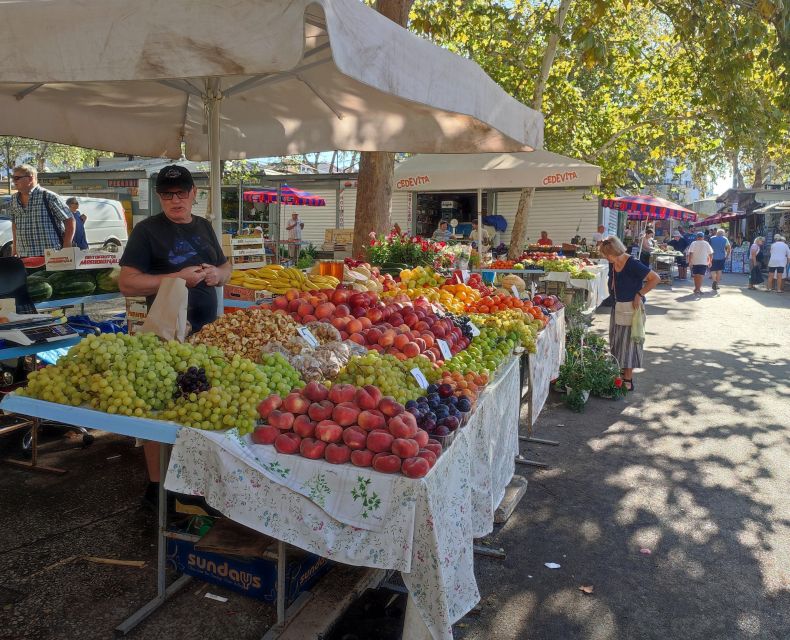
Green Market Brunch: Prosciutto, Cheese, Peka Bread, Soparnik, Grappa
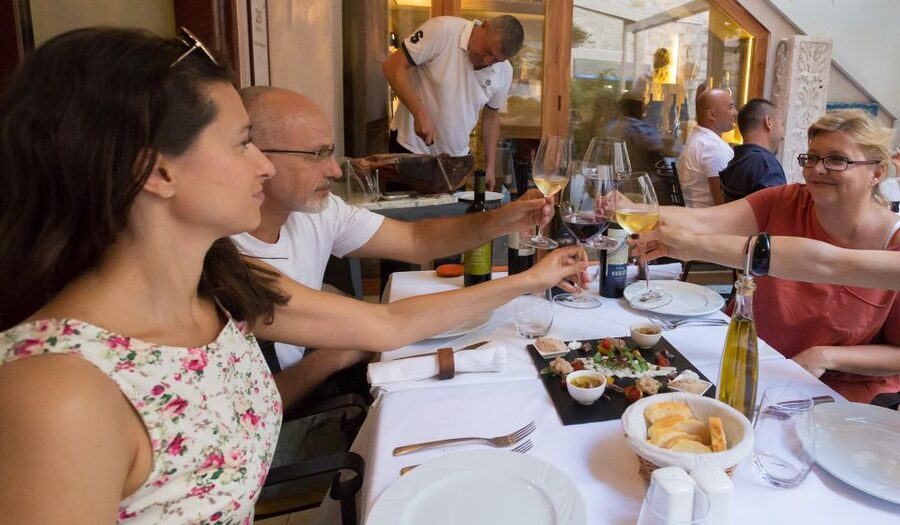
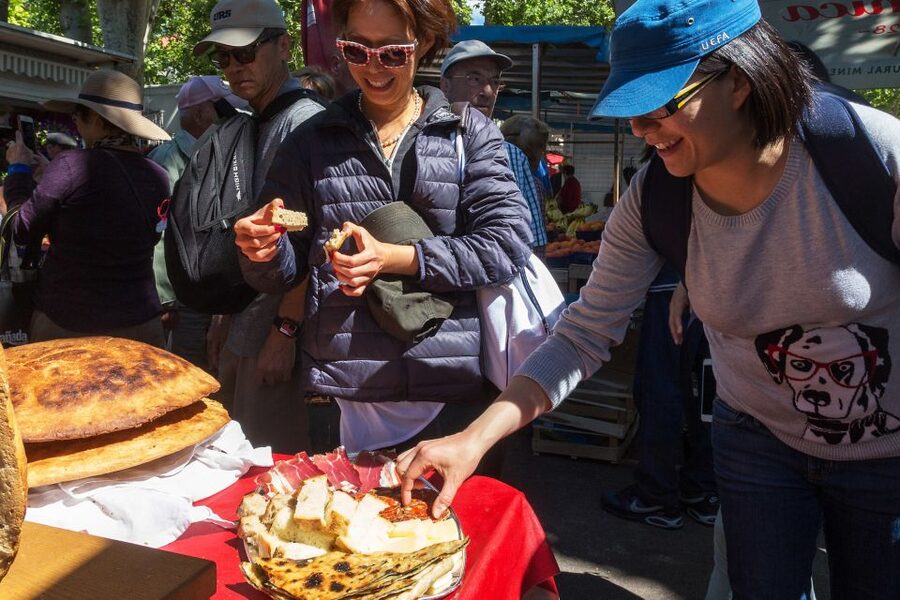
Your first real “wow” moment is the Green Market, because it is where you taste without guessing. You start with a mediterranean brunch style spread that includes prosciutto, cheese, traditional peka bread, soparnik pie, and grappa.
This is more than snacks. Soparnik is one of those items that makes you understand Dalmatian food as something regional and seasonal, not generic “Mediterranean.” The market also helps you notice textures and salt levels that you would never pick up from a menu photo. After you taste a few bites, you start to recognize what kind of bread, cheese, and cured meat work best together.
Expect the guide to explain what you are eating while you are eating it. That matters, because Split food is tied to local habits like sharing, slow conversation, and ordering around the table. Reviews often call out laughter and a relaxed group mood, which makes sense here: you are surrounded by stalls, smells, and people who are actually shopping and cooking for daily life.
Wine and spirits are included early too, including grappa. If you drink, it helps the pairings land. If you do not, you may still enjoy the food, but the tour’s “included” value is clearly weighted toward alcohol-friendly guests.
UNESCO Diocletian’s Palace Walk: Peristil, Golden Gate, and Pjaca
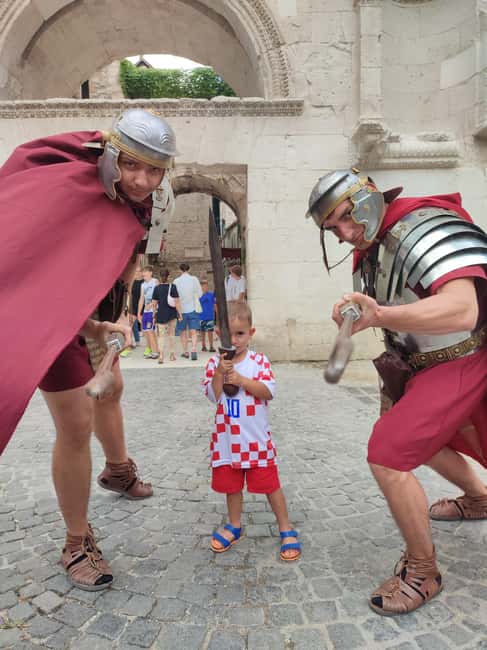
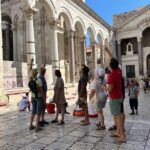
After the market, the tour shifts gears into history you can walk through. You cover key highlights inside Diocletian’s Palace, including Peristil square and the Golden Gate, then you move on to medieval Venetian square Pjaca.
Peristil square is one of those spaces where you can feel the scale of the palace layout. With a guide, it becomes less about memorizing dates and more about understanding how the space was built, then reused, then lived in. The same stones that served an ancient purpose are now part of daily city life, with people moving through and around them all day.
Golden Gate is a good stop if you like architecture that looks tough but feels readable. You’ll also get context on why the palace changed over time, which helps you connect what you see now to what once existed there.
Pjaca adds a different flavor, because it is medieval and Venetian. This balance is useful. Split can feel like one big Roman shell if you only focus on the palace. By including a square like Pjaca, the tour shows how Split kept layering cultures on top of itself.
Konoba Lunch Courses: Seafood Starter, Pasta, and Brač Black Risotto
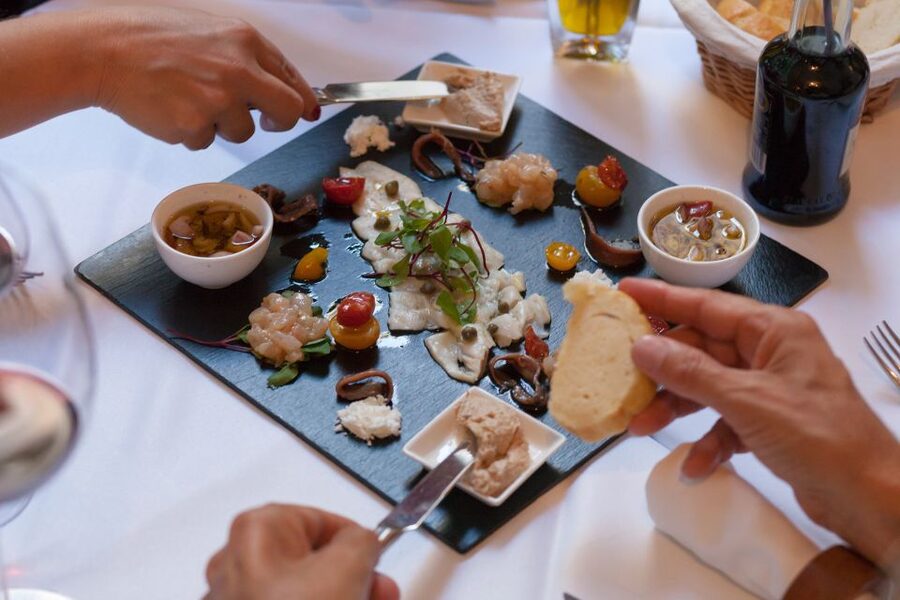
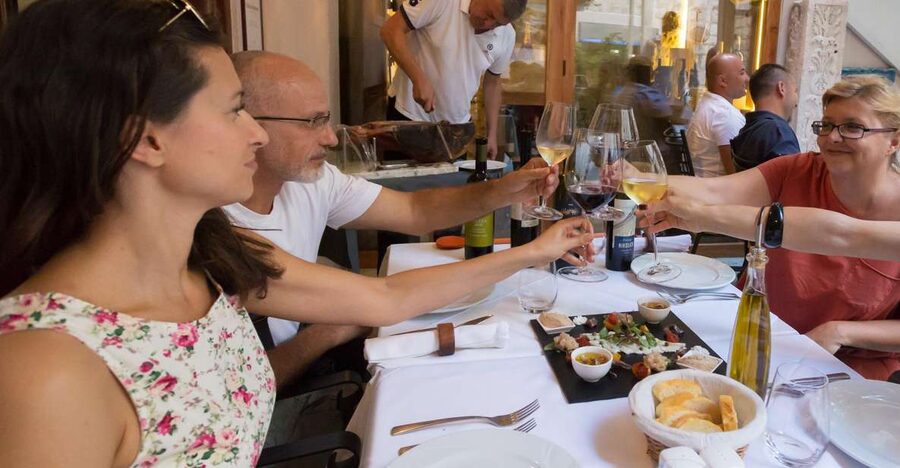
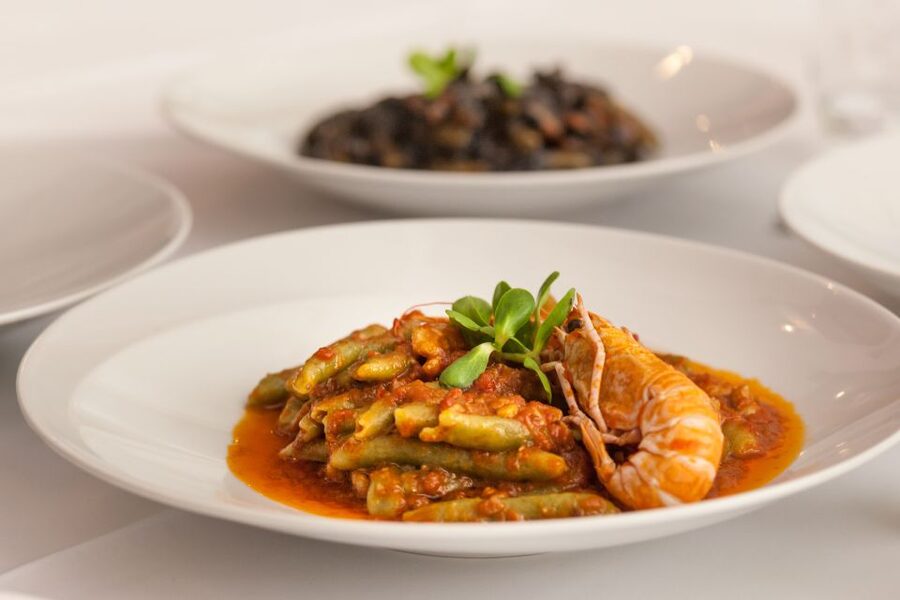
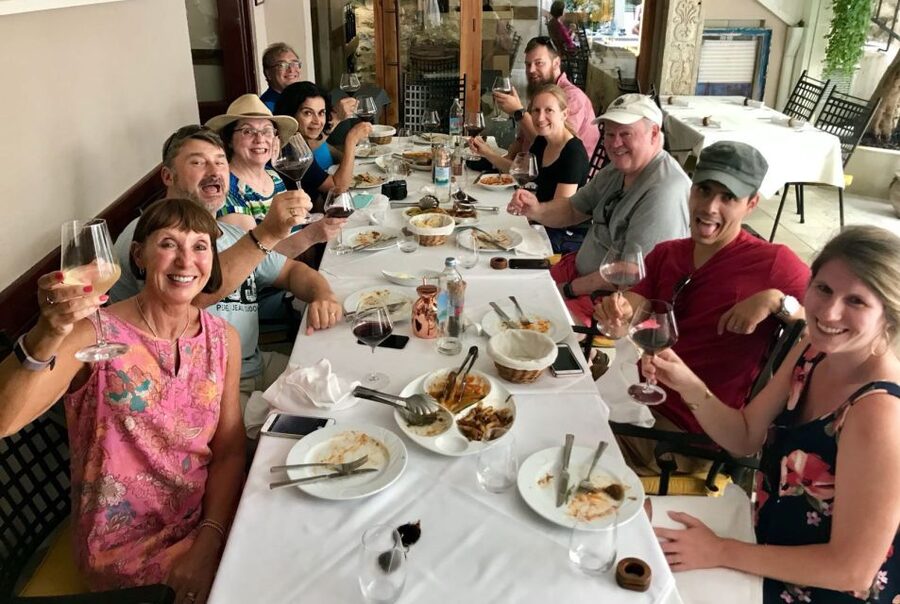
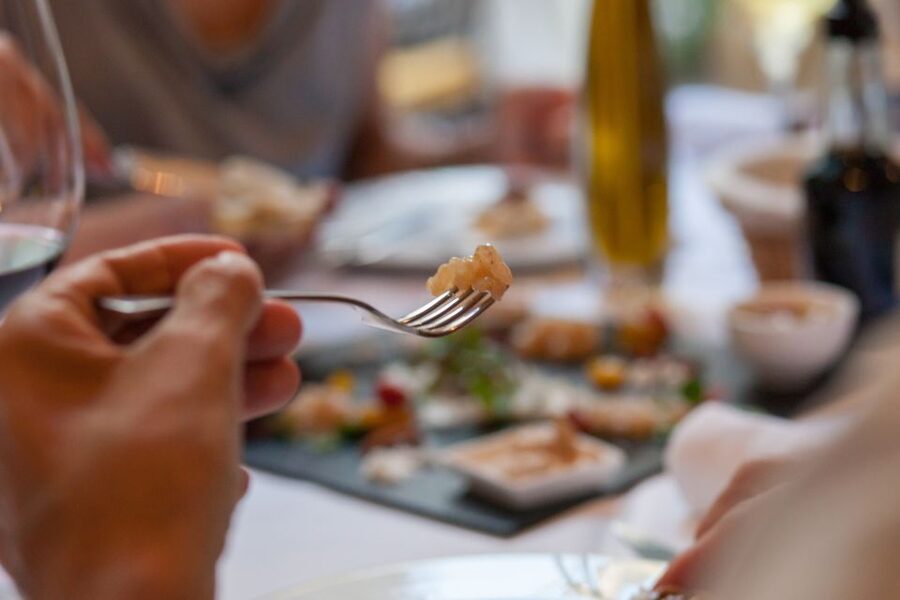
The meal part happens in a konoba, a tavern-style setting where the food feels grounded and local. First you get a traditional seafood starter with white wine. Then comes the heavy hitter, the second course with two types of traditional pasta, plus the famous black risotto and local red wine from Brač island.
This is where you really learn what Split does with the sea and the coast. The seafood starter gives you a lighter entry, then the pasta dishes bring you into the comfort-food side of Dalmatian cuisine. Black risotto is also a perfect “tour dish,” because it signals a specific local style. Once you taste it, you are less likely to think risotto is a generic Northern Italian thing.
A key value here is that you do not just eat one plate and move on. You get a sequence, and the guide’s timing helps you enjoy each stage. Reviews frequently praise the variety and the fact that portions are generous, so bring an appetite, not just curiosity.
Also, you get the pairings as part of the experience, including the switch from white wine with seafood to red wine for the richer second course. If you like understanding how wine changes with food, you’ll appreciate this structure.
You can also read our reviews of more shopping tours in Split

Dessert by Season: Gelato or Another Traditional Finish

You end the tour with dessert. The tour description calls for light gelato or a traditional dessert, depending on whether you are visiting in spring, summer, or autumn.
That seasonal change is a small detail, but it matters because it shapes your last impression of the experience. If you love gelato and it is summer for you, the ending probably feels extra satisfying. If you’re there in a different season, you may get a more traditional option instead.
A practical way to handle this: plan to stop heavy eating elsewhere right before or after the tour. You will likely finish full, then you’ll still want to enjoy the dessert without feeling like you are forcing it.
Price and Value for $135, Including Food and Wine
Let’s talk value in plain terms. $135 per person sounds like a splurge until you list what you actually get: market tastings with items like prosciutto and soparnik pie, multiple courses in a konoba, and wine plus grappa.
Because the tour includes the cost of all food and wine, you avoid the common problem where tours charge for “a couple bites” and then you spend your real money at the restaurant. Here, the plan is built around you eating through a curated lineup of local dishes and then finishing with dessert.
For the price, I’d treat it as a guided meal experience with a history framework. If you were to buy the same kind of lunch and wines on your own, plus add a guide for the palace walk, the math usually starts looking similar. The biggest “value multiplier” is the fact that you get history context while you eat, not before and not after.
There is one other angle: you also save time. This is useful if it is your first days in Split and you want to know what to order later. After you try these dishes with explanations, your future restaurant choices get easier.
When the Afternoon Option Changes the Plan
If you book the afternoon version, one big difference is that it does not cover the Green Market, since it is not working in the afternoon hours. Instead, you’ll taste similar foods in a local tavern setting.
This matters because the Green Market is part of the magic. Seeing produce, meats, and stalls in the morning makes the tasting feel more grounded. If Green Market atmosphere and browsing are a top priority for you, aim for the option that includes it.
If you simply want the palace walk plus a strong food meal and you are flexible on where tastings happen, the afternoon alternative should still deliver the core flavors and the palace highlights.
Who This Tour Suits Best in Split
This is a strong fit if you want a first-day activity that gives you both bearings and cravings. Many visitors like doing it early because it acts like a “what to eat, where to eat, and what it all means” course for the rest of the trip.
It also suits you if you enjoy walking and talking at the same time. You get a route through Diocletian’s Palace with stops like Peristil and Golden Gate, and you keep moving while you eat rather than pausing to stare at plaques.
It is especially good if you like food experiences led by real locals. You might end up with a guide like Hani, Olga, Christina, Christian, or Maria, and the theme across their styles is a friendly pace plus clear explanations tied to what you are tasting.
Who Might Want a Different Plan
If you do not drink alcohol, you should know that this tour includes wine and grappa as part of the tastings. You can still enjoy the food, but the built-in value and pairings may feel less aligned with your preferences.
Also, if you prefer strict quiet sightseeing, the market portion can be lively. This is not a museum whisper tour. You are eating, talking, and sampling in public spaces.
Finally, if you have very specific dietary needs and you do not communicate them, the plan may not fit as smoothly. The tour asks you to indicate allergies and dietary restrictions, so if you want the best outcome, do that step carefully.
Should You Book This Split Food and History Tour?
Book it if you want a single, guided 3-hour plan that mixes landmark walking and serious local eating. The combination of Green Market tastings, UNESCO palace highlights, and a konoba lunch with pasta and black risotto is hard to beat for efficiency and satisfaction.
Skip it or switch options if the Green Market atmosphere is your main goal but your schedule only allows afternoon, or if alcohol pairings are a dealbreaker for you. Otherwise, this is a very sensible choice for enjoying Split like a local, not like a checklist.
If you come hungry and curious, you’ll leave with a stronger sense of the city and a clear idea of what to order next time.
FAQ
How long is the Split historical and gastro tour?
The tour lasts about 3 hours.
Where does the tour start?
You meet your guide at Hrvojeva 1 street, though the exact meeting point may vary depending on the option booked.
Is the tour in English?
Yes, the tour language is English.
What is included in the price?
The price includes the cost of all food and wine plus a licensed local guide.
Is hotel pickup included?
No, hotel pickup and drop-off are not included.
Does the afternoon option include the Green Market?
The afternoon option does not cover the Green Market, since it does not work in the afternoon. Similar foods are tasted in a local tavern instead.
Can the tour handle allergies or dietary restrictions?
Yes. You should indicate any food allergies or diet restrictions when booking so the guide can plan accordingly.
More Historical Tours in Split

More Tours in Split
More Tour Reviews in Split

Not for you? Here's more nearby things to do in Split we have reviewed



More Split City & Day Tours to consider.
 ★ 4.8Krka Waterfalls Trip with Boat Cruise and SwimmingFrom $3110,519 reviews
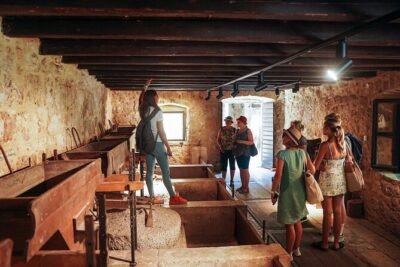 ★ 5.0Krka Waterfalls, Food & Wine Tasting TourFrom $459,326 reviews
★ 4.9Krka Waterfalls, Food & Wine Tasting TourFrom $446,598 reviews
★ 5.0Krka Waterfalls, Food & Wine Tasting TourFrom $459,326 reviews
★ 4.9Krka Waterfalls, Food & Wine Tasting TourFrom $446,598 reviews
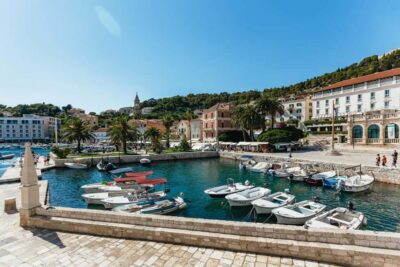 ★ 4.6Split/Trogir: Blue Cave, Mamma Mia, Hvar and 5 Island TourFrom $1096,320 reviews
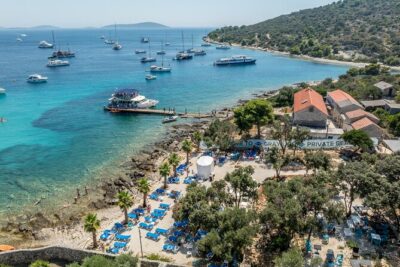 ★ 4.5Blue Lagoon & 3 Islands Cruise with Lunch from SplitFrom $785,756 reviews
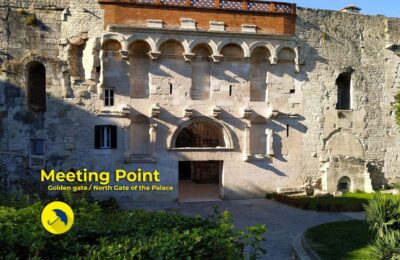 ★ 4.9Old Town and Diocletian Palace Walking TourFrom $174,727 reviews
 ★ 4.9Blue Lagoon Boat Party with DJs, Shots & After PartyFrom $474,610 reviews
 ★ 5.0Krka Waterfalls Tour, Boat Cruise & SwimmingFrom $324,489 reviews
Explore its other useful categories