

REVIEW · SPLIT CITY & DAY TOURS
Split: Private Roman History & Market Tour
Split wears its history on its sleeve, and this tour reads it. You’ll walk the Diocletian Palace like a local shortcut, then refuel at the Green Market with seasonal bites. I love how this blends stones-and-stories with food you can actually taste, and I also like that the tour is carbon neutral with an eco-minded operator. One drawback to consider, some major sights inside the palace complex are not included, so if you want everything, you may need an add-on.
This is also a great fit for first-timers because it’s paced well for a compact 2-hour intro. You’ll hear why locals still follow rituals tied back to Iliryan times, and you’ll get the practical “how to shop, what to buy, and why” view at the market. I particularly like that the guide approach feels personal, with English-speaking locals such as Ted and Ivan specifically highlighted for clear explanations. The main catch is that extra food and drinks beyond tastings are on you.
If you want your Split to feel both old and lived-in, this is a smart start. I’d book it early in your visit so you can recognize palace details, street patterns, and local food habits as you wander on your own.
Key highlights worth your time
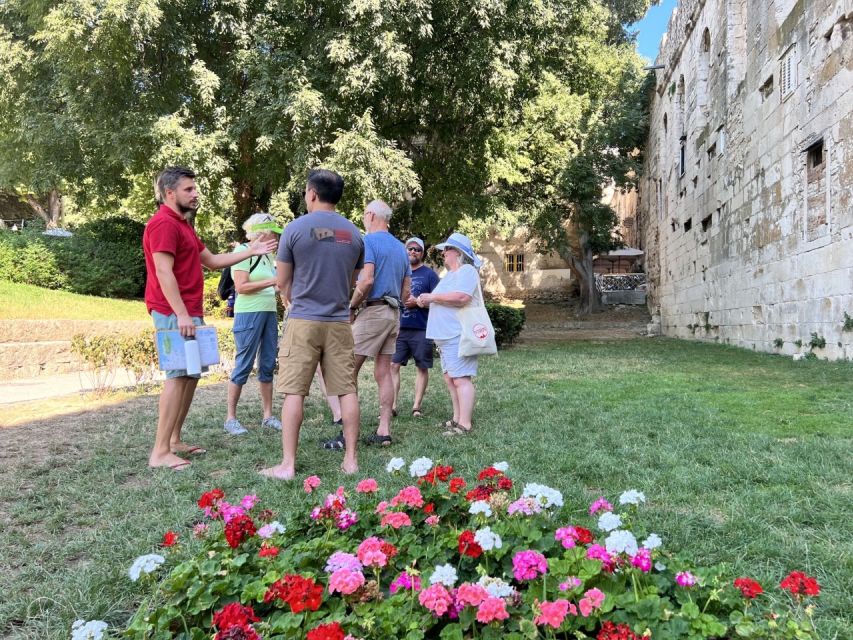
- Secrets inside Diocletian’s Palace: see the main square, private palace areas, vestibule, and Golden Gates
- Green Market tastings that make sense: seasonal fruit and vegetables, plus olive oil, rakija, cheese, and dry figs (varies)
- Local history, not museum history: rituals linked to Iliryan times and what Dalmatians still value
- Food as the cultural shortcut: learn why locals say the way to a Dalmatian’s heart is through the stomach
- Icon stops with meaning: Gregory of Nin’s golden toe and why Hajduk Split shows up everywhere
- Eco-minded operation: carbon neutral and run by a B Corp certified company committed to travel as a force for good
Diocletian’s Palace, with the right kind of order
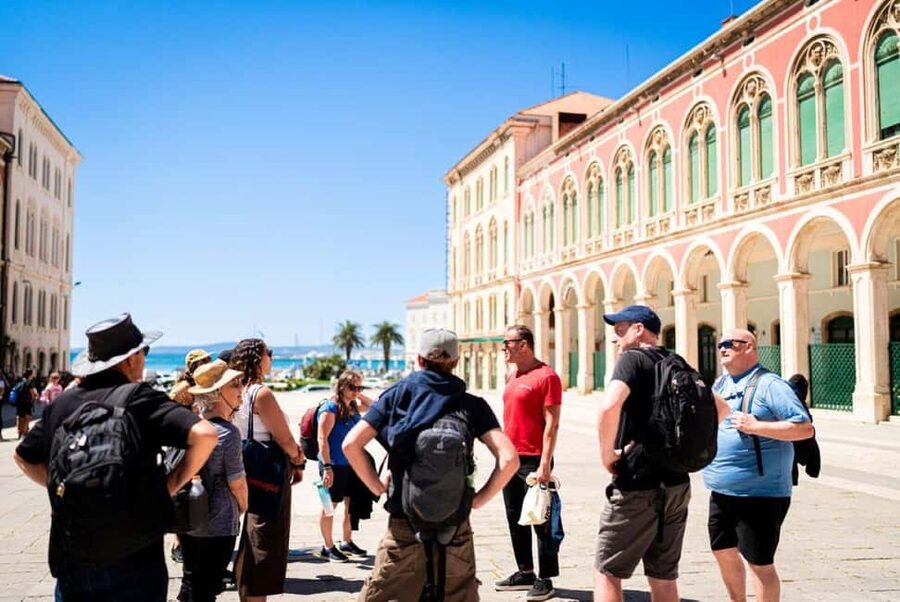
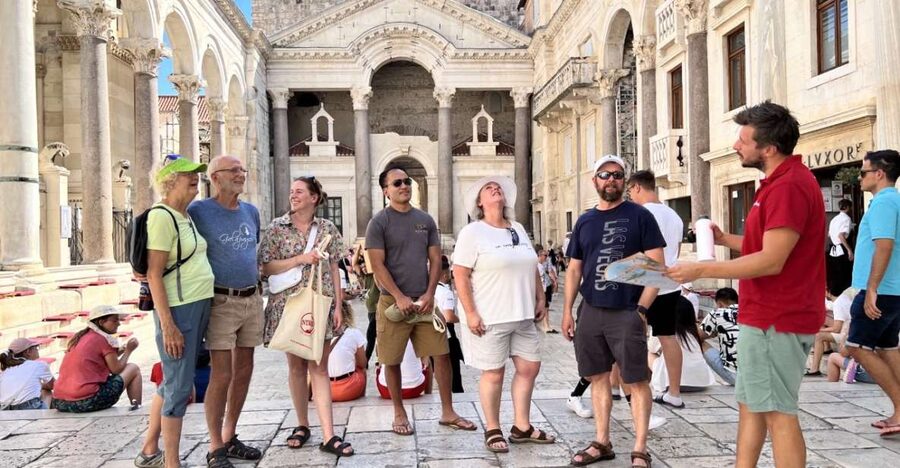
Split’s old center is impressive, but it can also feel like you’re just walking through pretty chaos. This tour gives you a way to see the place in a logical sequence. You start near the Riva promenade, at the iron model map of the city, which helps you mentally lock in where you are before you step into the palace world.
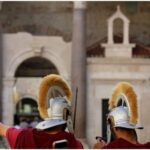
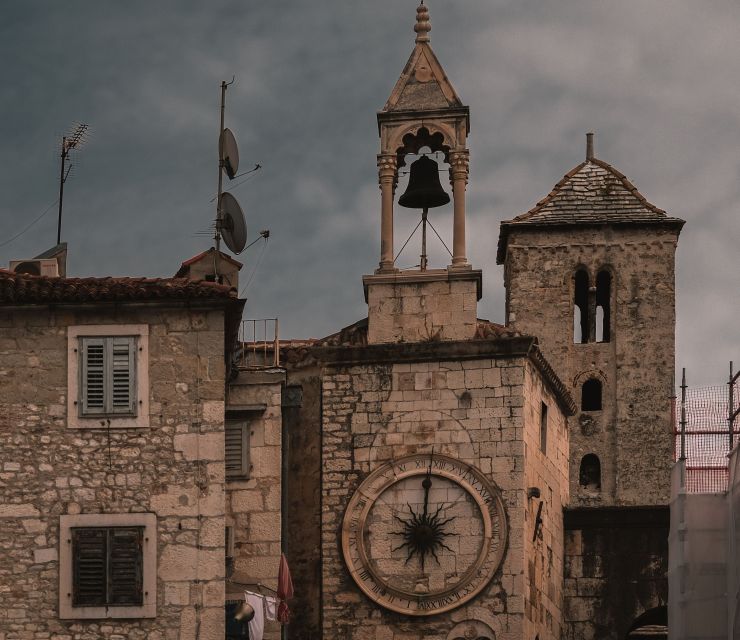
From the first minutes inside, the focus stays on lived-in history. You’re not just looking at walls, you’re learning how Diocletian’s space was structured and why certain areas mattered. The itinerary includes the Main square within the palace walls, a private section of the Diocletian Palace, the Vestibule, and the Golden Gates. Those stops matter because they cover both the “big view” Roman layout and the more intimate, everyday-feeling corners where locals still move through the palace.
I like that this approach keeps the story tied to place. You’ll walk the same kinds of paths the people of Split and the emperor would have recognized, with guides born and raised in Split. You also get the core framing: the city was founded within Diocletian’s Roman palace, and the blend of Roman, medieval, and modern life still shows in how buildings sit and how people use space.
You can also read our reviews of more private tours in Split
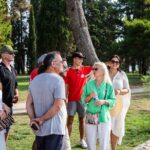
One realistic limitation
The tour does not include entrance fees to several big-ticket palace add-ons, like the cathedral of the ex-Emperor mausoleum, the underground, the Bell Tower, museums, and the Temple of Jupiter. If those are top on your list, you should plan to do them separately. This tour is more about orientation, interpretation, and key architectural moments.
The courtyard beats: Peristil and the daily rhythm of Rome
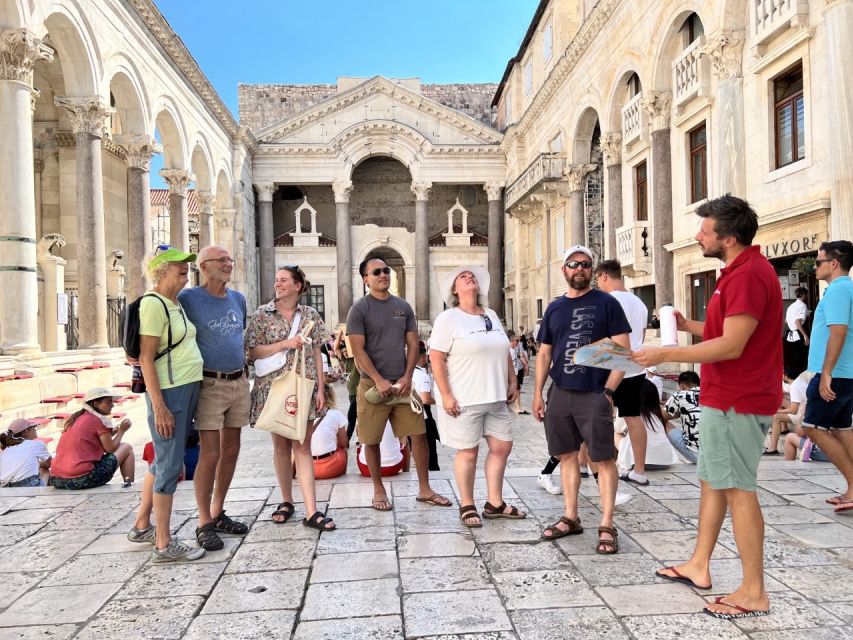
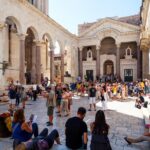
One of the best things about this experience is how it treats the palace not as a frozen monument, but as a setting where people actually live and gather. The tour guides take you into the heart of the city, Peristil, which is a major “center” space inside Diocletian’s palace complex.
Here’s where the stories start to feel practical. You’ll hear about Diocletian’s personal life, including references to why he loved salad so much. The tour also nods to a playful belief tied to a piece of mythical White Stone, where a small moment is supposed to bring happiness. Even if you take that kind of story with a grain of salt, it works because it connects local folklore to a physical spot you can find again later.
This is also where you’ll get a better sense of what makes Split’s old center unique: you’re moving between grand Roman structure and the normal street life that happens inside it. It’s the kind of contrast that makes you look up more than once. Instead of only scanning for famous landmarks, you start noticing transitions, doorways, and the way the palace shapes street angles.
Gregory of Nin’s golden toe, plus Hajduk Split’s name everywhere
If you’re doing this tour early, you’ll be glad it includes “recognition moments.” You’ll stop at Gregory of Nin, famous for the golden toe. The guide will point out where that tradition comes into play, and it’s an easy cultural memory because it’s visible and repeatable. You can spot Gregory of Nin again later and know exactly why people pay attention to the toe.
Then there’s Hajduk Split, another name that can feel random until someone gives it context. The tour includes a story about Hajduk and why you see that name across Split, from the suburbs down into the old town area. Sports and identity aren’t separate in this part of the world, and having the story early helps you read the city with less confusion.
This kind of stop is also useful if you’re traveling with limited time. In 2 hours, you’re not going to learn every detail about Split’s politics and traditions. But you can walk away understanding why certain symbols show up on walls, in conversations, and in how locals point things out.
The Green Market: food you can shop like a local
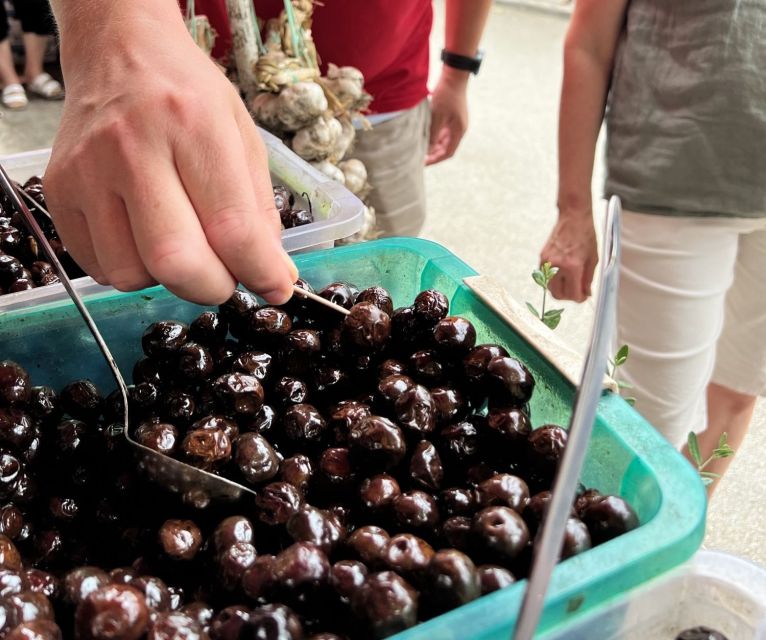
Now for the part that turns Roman stones into a living experience: the Green Market of Split. The tour’s logic is simple and smart. You start with the “big time” history, then you hit the market because that’s where local culture is easiest to taste and understand.
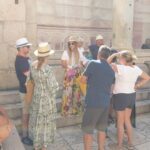
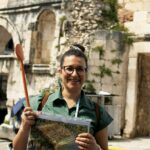
You’ll meet local vendors and learn how locals buy at the green market. Then you’ll get tastings, which can include fruits, vegetables, olive oil, rakija, cheese, and dry figs. The specific items can vary, but the aim is consistent: show you what’s seasonal and what locals typically look for.
I like market stops because they help you translate a place from description into decision-making. After this, you’re more likely to pick up the right snacks, ask better questions, and understand why certain ingredients show up again and again. It also makes your later wandering feel more grounded. When you pass stalls on your own, you won’t feel like you’re guessing.
You can also read our reviews of more historical tours in Split


Food note you should know
Even with tastings included, additional food and drinks are not included. If you’re the type who turns a snack stop into a full meal, budget a little extra. The upside is that you can choose how much to add, rather than being forced into a set meal you might not want.
Why this tour feels like a real introduction, not a checklist
This experience is built around the idea that Split is best understood through everyday life. You’ll hear about different rituals Dalmatians respect from Iliryan times, plus more general explanations about how locals view the world around Diocletian’s palace.
That matters because it changes your mindset while walking. Instead of thinking, I’m looking at ancient ruins, you start thinking, This place has layers of belief, daily habits, and community memory.
Another thing I appreciate: the tour is private and runs in a small group format. That usually means less rushing and more chance to ask questions. You’re also not stuck waiting for a crowd to move on, which is huge in a city where streets can funnel you into tight spaces.
Ending on the Riva, with a plan for your next bite
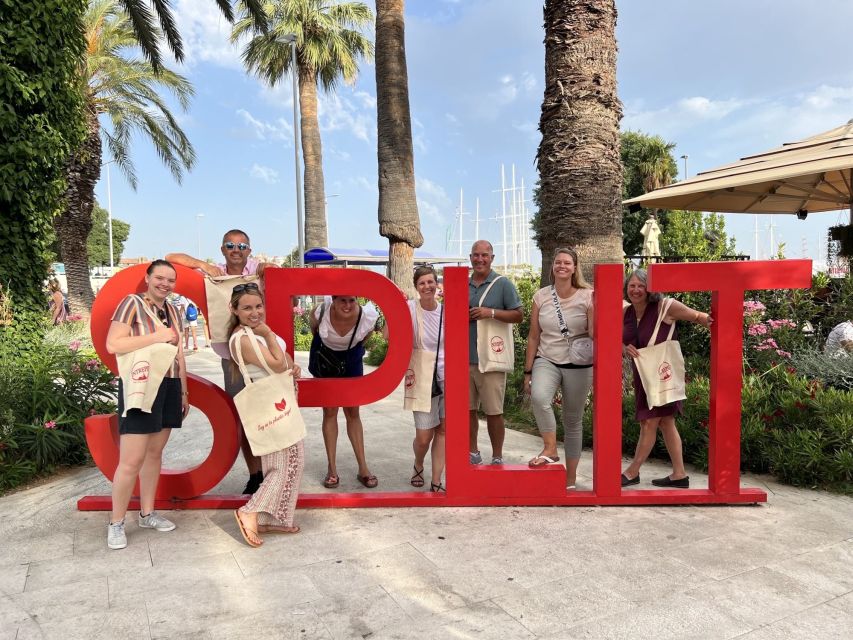
The tour finishes on the Riva promenade, leaving you feeling satisfied in a very literal way. It’s a good ending because the Riva is both relaxing and useful. You can look back at the old town from the waterfront and feel the geography click into place.
Your local guides also point you toward their favorite coffee spots and the best areas for an evening of Dalmatian delicacies and entertainment. Since the tour includes palace orientation and market habits, those suggestions become actionable rather than vague.
If your evening plans are still open, this ending helps you choose faster. You already know where you are, what you learned to look for, and what kinds of foods you’ll enjoy.
Price and value: $280 for a focused, high-impact 2 hours
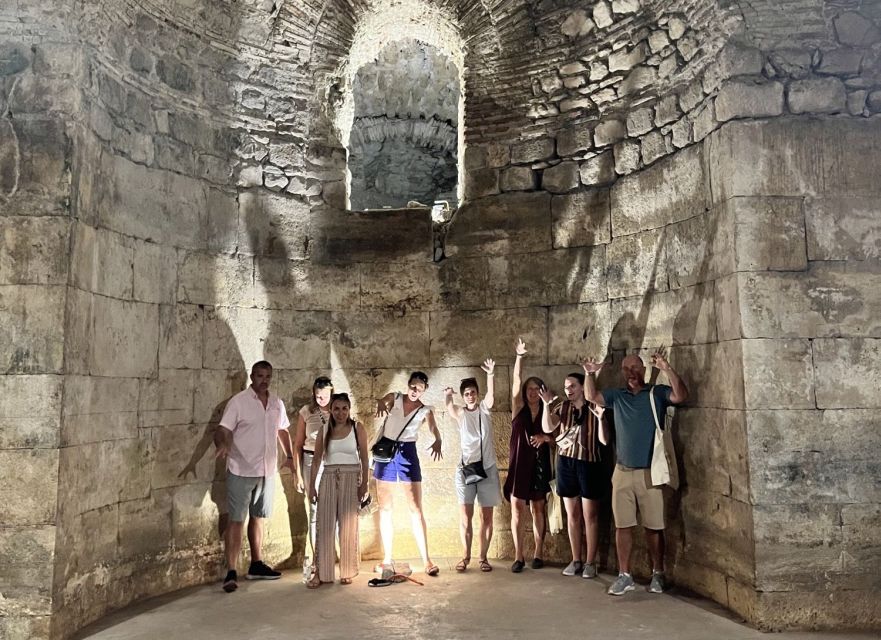
At $280 per person for a private, 2-hour tour, you’re paying for a combination of guide time, access, and tastings. The value comes from what’s included:
- Local English-speaking guide
- Green market stop with tastings
- Diocletian Palace visit including key internal areas: main square inside the palace walls, private palace section, vestibule, and Golden Gates
It’s not a deal on a per-hour basis if you only care about seeing one or two famous spots. But if you want a structured orientation plus food tasting, it’s closer to buying time and clarity.
Also, entrance fees for several major optional sites are not included, so your total cost could rise if you decide you want the underground areas, cathedral mausoleum, Bell Tower, museums, or the Temple of Jupiter.
In other words: this price makes sense when you treat it as an introduction to the old center, not as a full palace ticket plus a full meal.
Carbon neutral and child-friendly, without extra fuss
The tour is described as carbon neutral, organized and led by an eco-certified tour operator, and run by a B Corp certified company committed to using travel as a force for good. That’s a reassuring checkmark if you prefer tours that take sustainability seriously.
It’s also child-friendly, with children under 6 permitted to join for free, as long as you inform the operator. For families, a 2-hour format is often easier than half-day tours that drag past everyone’s patience.
Who should book this tour?
I’d suggest it if you:
- Want an efficient first introduction to Split’s old town and Diocletian’s Palace
- Like history that connects to daily life and food habits
- Appreciate tastings and want your orientation to include something you can eat
- Prefer a private, guided experience with time to ask questions
- Care about having an eco-minded operator
You might choose something else if you:
- Plan to see the cathedral mausoleum, underground, Bell Tower, Temple of Jupiter, and museums in detail and don’t want to do extra stops later
- Are looking for a long, deep architecture session rather than a 2-hour orientation
Should you book this Split tour?
If you’re arriving in Split and want your first day to feel coherent, I think this is a strong choice. You get the palace layout in a guided order, you hit the Green Market with tastings that teach you what to buy and why, and you end on the Riva with local recommendations that make your next hours easier.
Book it early, so the palace stories and market lessons help you notice more on your own. If you already know you want multiple palace ticketed sites, treat this as your “core orientation” and plan the extra entrances separately.
FAQ
What is the duration of the Split Private Roman History & Market Tour?
The tour lasts 2 hours.
Is this tour private?
Yes, it is described as a private group tour.
What does the tour include?
It includes a local English-speaking guide, a Green Market food stop with tastings, and a Diocletian Palace visit that includes the main square inside the palace walls, a private section, the vestibule, and the Golden Gates.
What is not included in the tour price?
Entrance fees are not included for the cathedral of the ex-Emperor mausoleum, the underground of the palace, the Bell Tower, museums, and the Temple of Jupiter. Additional food and drinks are also not included.
Where do we meet?
You meet at the beginning of the Riva promenade, near the mock-up model of the city, by the iron map of the city.
Is the tour carbon neutral?
Yes. The tour is described as carbon neutral, operated by an eco-certified, B Corp certified company committed to using travel as a force for good.
Can children join, and is it free under a certain age?
Yes. Children under age 6 can join free of charge. You should inform the operator if you’re bringing a child under 6.
More Private Tours in Split

More Tours in Split

More Tour Reviews in Split

Not for you? Here's more nearby things to do in Split we have reviewed



More Split City & Day Tours to consider.
 ★ 4.8Krka Waterfalls Trip with Boat Cruise and SwimmingFrom $3110,519 reviews
 ★ 5.0Krka Waterfalls, Food & Wine Tasting TourFrom $459,326 reviews
★ 4.9Krka Waterfalls, Food & Wine Tasting TourFrom $446,598 reviews
★ 5.0Krka Waterfalls, Food & Wine Tasting TourFrom $459,326 reviews
★ 4.9Krka Waterfalls, Food & Wine Tasting TourFrom $446,598 reviews
 ★ 4.6Split/Trogir: Blue Cave, Mamma Mia, Hvar and 5 Island TourFrom $1096,320 reviews
 ★ 4.5Blue Lagoon & 3 Islands Cruise with Lunch from SplitFrom $785,756 reviews
 ★ 4.9Old Town and Diocletian Palace Walking TourFrom $174,727 reviews
 ★ 4.9Blue Lagoon Boat Party with DJs, Shots & After PartyFrom $474,610 reviews
 ★ 5.0Krka Waterfalls Tour, Boat Cruise & SwimmingFrom $324,489 reviews
Explore its other useful categories