
REVIEW · SPLIT CITY & DAY TOURS
Split: Local History and Culture 90-Minute Walking Tour
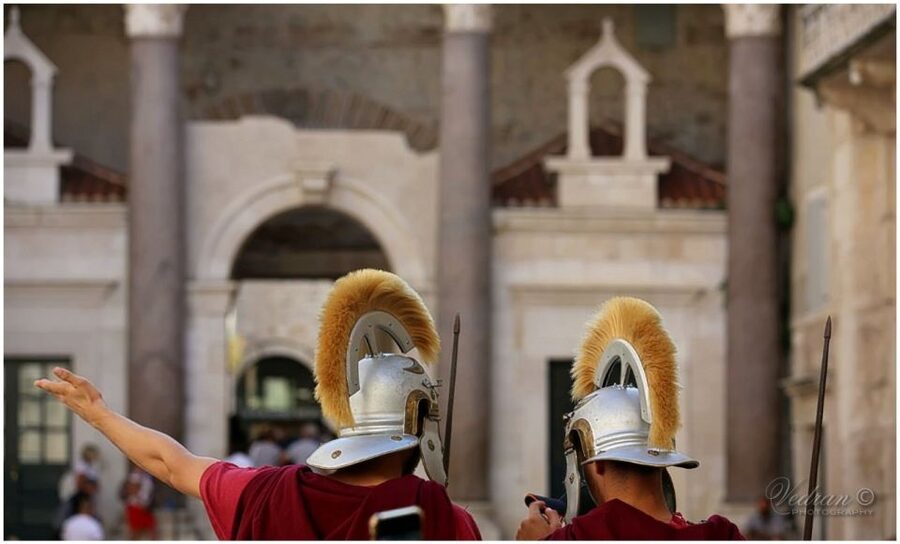
Split clicks fast with this 90-minute walk. In just 90 minutes, you get the UNESCO Diocletian Palace story in context, plus Game of Thrones-style locations, all led in English by a licensed local guide. It’s an easy way to connect Roman stone, Adriatic life, and modern Croatian culture without turning your day into a scavenger hunt.
What I like most is the tour’s personal feel. With a small group (often up to 10 people), you can actually ask questions, and guides like Mijo bring the city to life with humor and real conversation. I also like the practical payoff at the end, since you’ll leave with a tidy set of photo tips and restaurant ideas, not just facts.
One consideration: this is still a walk. You’ll want water, comfortable shoes, and sun protection, since you may be moving through narrow old streets and open viewpoints where shade can be limited.
Key highlights at a glance
- 1700-year-old Diocletian Palace, explained in a way that makes the layout easy to understand
- UNESCO World Heritage context tied to how people live inside the old walls
- Game of Thrones locations woven into the same streets you’d otherwise rush through
- Small group experience that keeps questions and photo stops from getting awkward
- Guide-powered local tips for food, coffee, and easy next steps after the tour
- Strossmayer Park and Golden Gates area start, with a clear landmark meeting point
Why this 90-minute Split walk feels like a best-value start
Split can be confusing in a good way. You arrive, you see stone everywhere, you hear Roman names and modern chatter at the same time, and suddenly you’re wondering where to look first. This tour helps you sort it out fast, because it’s built around the core of the city you’ll keep coming back to.
The price, $17 per person for 90 minutes, is the kind of deal that makes sense when you compare it to the cost of doing this “on your own” with a map and zero local context. You’re paying for a licensed guide, a tight route through top sights, and the kind of orientation that saves you time later. You also get practical tips for what to do next, which is where walking tours often either win big or feel like filler.
This one aims at value in two ways. First, it focuses on the UNESCO-protected heart of Split rather than spreading you out. Second, it layers culture and daily life on top of big historical facts, so you understand what you’re looking at and why it matters.
You can also read our reviews of more walking tours in Split


Meeting at Strossmayerova Fountain, just above Golden Gates
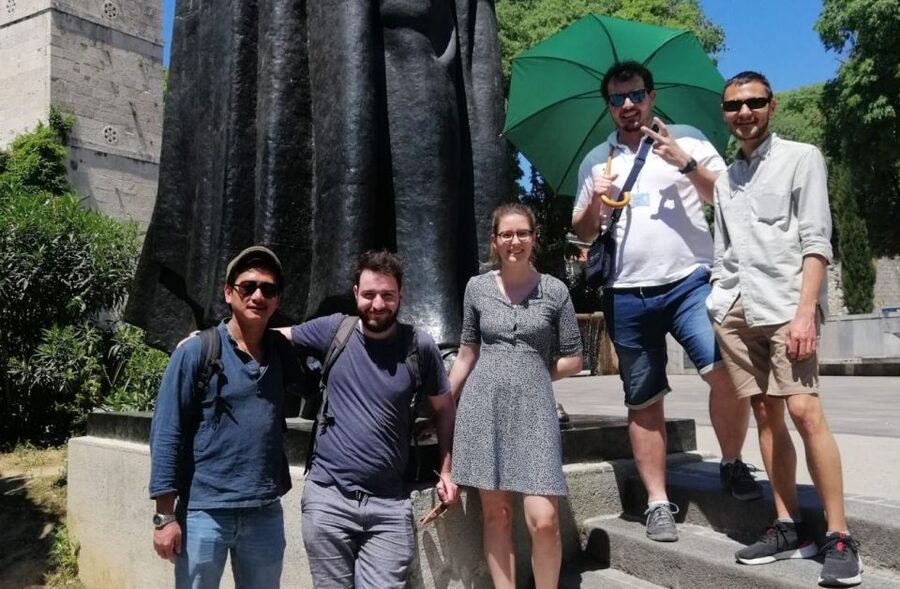
Your tour starts at Strossmayerova Fountain inside Strossmayer Park (Đardin), right above the Golden Gates. If you’re standing near the huge statue of Gregory of Nin, you’re in the right neighborhood. Look upward to the park area by the fountain, and you’ll find the meeting spot.
Why this matters: this is a landmark start that keeps your first steps simple. Split old town streets can turn into a maze fast, especially if you’re arriving from a cruise port or you’re trying to orient in heat and crowds. Starting by Golden Gates gives you a clear “before you enter the maze” reference point, which makes the rest of the walk feel less chaotic.
Plan to arrive a few minutes early. Not because anything complicated is required, but because it’s a popular area and you want to settle in before the group moves.
From Gregory of Nin to Diocletian’s world in one steady route
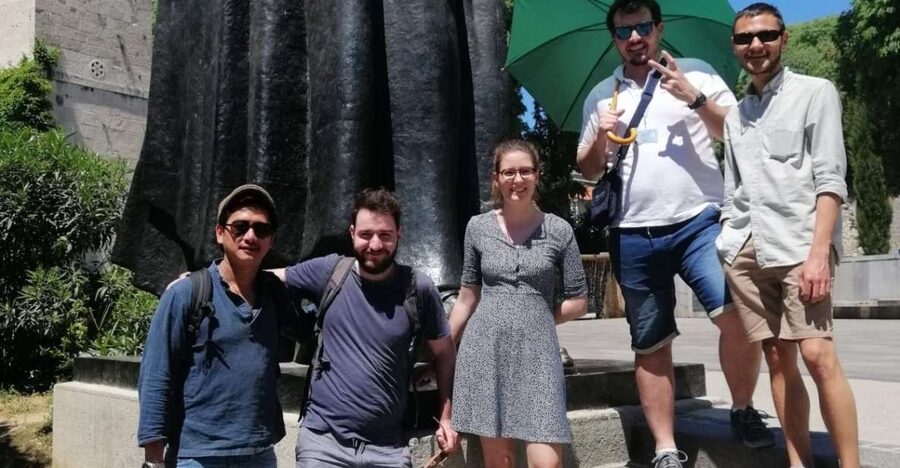
Once you begin, the tour’s pacing is designed for comprehension. You’re not just walking from one random photo spot to another. You’re moving through the story of how Split’s modern old town grew from a Roman master plan.
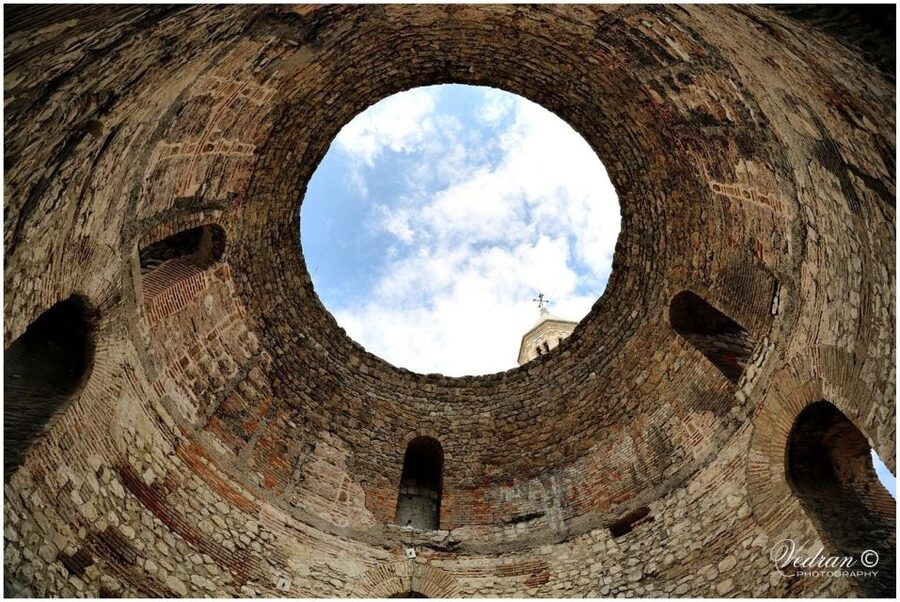
The headline here is the Diocletian Palace, often described as a luxury retirement palace built by a Roman emperor. The tour frames it as more than impressive stone. You learn how a planned palace layout shaped the city’s streets, passages, and the way people moved through everyday life once the palace stopped being a sealed imperial world.
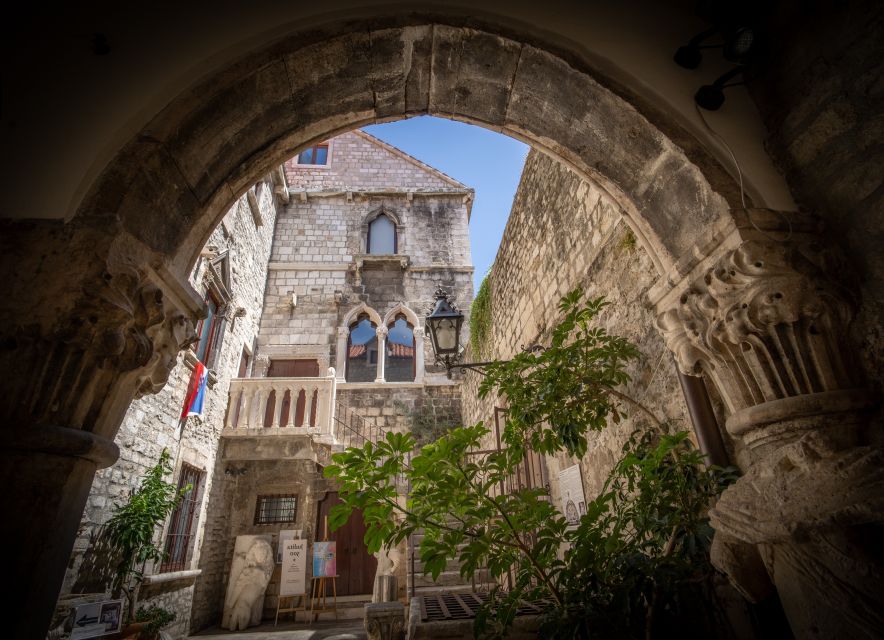
What you’ll notice as you go is that the scale is the point. You can stand in one spot and feel how the palace design creates pockets of space: courtyards, tight lanes, and openings that change your perspective as you move. A good guide helps you read that space, so it stops being a jumble and becomes a map your brain can hold.
UNESCO explanations that make the stones feel “usable”
UNESCO can sound like a label until a guide connects it to real preservation and meaning. In this tour, the UNESCO angle is practical: you’re learning how the palace complex and the surrounding heritage area were recognized, and what that recognition implies about protecting the site.
For you, this turns sightseeing into understanding. Instead of treating the old town like a set of monuments, you start recognizing patterns. You also get a better sense of why certain areas stay intact while others feel layered with later history and everyday use.
I like how the format supports this. You’re guided through the inner city top highlights, but the explanation doesn’t stay in the past. The guide ties Roman design to Mediterranean culture and the easygoing feel you get from locals moving through the same streets.
Game of Thrones locations without the gimmick
If you’re a fan of the show, you’ll like how this tour treats pop culture as a bridge. It doesn’t dump you into trivia. Instead, it helps you connect filming locations to the actual physical setting that made those scenes work in the first place: walls, arches, stone corridors, and the dramatic contrast between open space and tight lanes.
You’ll likely spot where certain streets or palace-area views made it onto screen, then the guide will pull you back to the history that predates TV by many centuries. That mix is the sweet spot. You get the fun of recognition, plus you get the satisfaction of understanding what you’re seeing beyond the series.
One more practical note: don’t assume you’ll remember every filming spot name. Focus on the geography and the overall feel. When you do that, you can walk the area again after the tour and point at details with confidence.
You can also read our reviews of more historical tours in Split


How the small group format improves everything
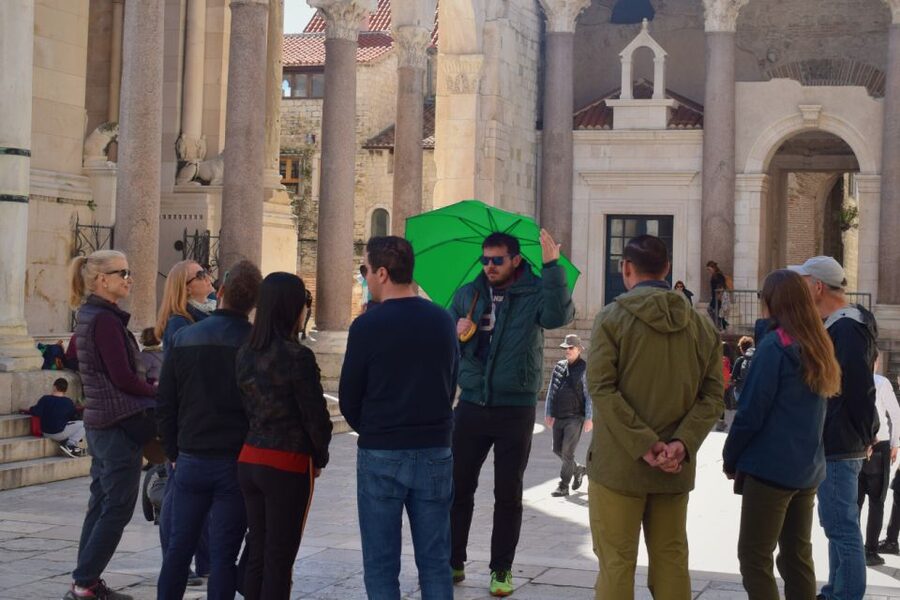
This tour’s biggest quiet advantage is size. Many guests highlight a small group that can be up to 10 people, which changes the whole experience. It means your guide can answer questions without rushing you, and you’re less likely to get lost behind a wall of other groups.
It also means photo stops feel normal, not stressful. Several people mention that their guide helped take photos at different points along the way. That matters because Split’s best angles can require timing, and you do not want to be fiddling with your phone while everyone else moves on.
There’s also a human touch. One guest noted the guide even offered an umbrella when rain hit briefly. Another mentioned the guide considers shade when mapping the route for midday tours. That’s not a “marketing line,” it’s the difference between suffering in sun versus enjoying the walk.
If you have a choice of starting times, consider the earlier slot if you see one available. One guest specifically recommended the 8 a.m. tour for a calmer start before the city swells.
What you learn about Croatian culture, not just Roman dates
Facts are good. But they don’t help much if you can’t read the culture around them. This tour keeps turning back to local perspective: how people live with the heritage, how the city feels in everyday rhythm, and how Mediterranean habits show up alongside the Roman past.
You’ll also get a sense of how Croatian culture frames history. The guide’s stories are built to be understandable and engaging, even when the topic is centuries old. That style matters because it helps you remember what you heard, instead of letting the day turn into noise.
For first-timers, that’s gold. You finish the tour knowing what the palace is in plain language, where you are in the old town, and how to connect the dots when you wander on your own later.
Local tips that actually save you money and time
This is where the tour goes beyond sightseeing. You’ll get recommendations and tips from your guide, especially for where to eat and where to find great coffee, with the kind of money-saving angles that help in a tourist-heavy city.
Many guests mention receiving an emailed list after the tour with restaurant ideas and practical guidance. Some even mention discount codes included in those follow-ups. Even if you don’t end up using every suggestion, you’ll at least have a short list of places to try, instead of guessing based on menus and crowd lines.
And the best part is that the tips are connected to what you just learned. When you know what area you’re in and what to look for, you can choose food and strolls that fit the same part of town. That turns your next hours into a plan, not a wandering session.
Price and value: $17 for a licensed local guide
$17 for 90 minutes is a “low-stakes yes” in a city where walking through UNESCO space without context can feel like work. You’re paying for a licensed professional guide, guided exploration of the UNESCO site area, and targeted highlights of the inner city.
The tour also includes meeting-culture context from a local perspective, plus guide recommendations and tips. That’s meaningful, because local tips are often the difference between an average meal and a great one, or between a confused first day and a smooth one.
What’s not included is also important. There’s no hotel pickup, and there are no food or drinks in the tour price. That’s normal for a walking experience, but it means you should budget for a snack or drink before or after, and plan your own way to the meeting point.
Who this tour is for, and who may want a different style
This tour fits best if you want a strong start and a clear mental map. If it’s your first or second day in Split, you’ll likely appreciate the orientation value, because it makes the old town easier to explore afterward.
It also works well for history lovers who don’t want a lecture. The format is built for storytelling and street-level understanding, with both Roman heritage and modern culture in the same walk. One guest even mentioned a history-loving 9-year-old, which suggests the guide can adapt pacing and explanation for younger listeners.
If you’re a Game of Thrones fan, this is a smart way to enjoy the show’s connections without turning the trip into pure fandom trivia. The history grounding keeps it satisfying.
Where you might hesitate: if you hate walking, or you need frequent breaks, you may find a 90-minute route tough. The tour expects you to bring comfortable clothes and water, and the old town has uneven surfaces and lots of steps at times.
Should you book the Split Local History and Culture walking tour?
Yes, you should book it if you want an efficient, small-group way to understand Split’s center. I’d choose it for your first day if you want to leave with confidence, a mental map of the Diocletian Palace area, and a short list of places to eat and explore next.
Skip it or choose a different format if you prefer a slow museum-style day with longer indoor stops, or if you’re very sensitive to walking time. Also keep in mind that it’s a walking tour with no food included, so plan to fuel yourself before or after.
If you do book, show up at Strossmayerova Fountain a few minutes early, bring your water and sun protection, and go in ready to ask questions. The tour is at its best when you treat it like a local briefing, not a checklist.
FAQ
Where is the meeting point for the tour?
The meeting point is at Strossmayerova Fountain inside of Strossmayer Park (Đardin), just above Golden Gates. Near Golden Gates, look for the huge statue of Gregory of Nin, and the meeting spot is in the park just above him next to the fountain.
How long is the Split local history walking tour?
The tour lasts 90 minutes.
Is the tour in English?
Yes, the live tour guide speaks English.
What’s included in the price?
Included items are a licensed professional guide, exploration of UNESCO world site heritage, top highlights of the inner city, meeting culture from the perspective of a local guide, recommendations and tips by the guide, and a guided experience with enthusiasm.
What is not included?
Hotel pickup and drop-off are not included, and food and drinks are not included.
What should I bring?
Bring sunglasses, a hat, water, and comfortable clothes.
How much does it cost?
The price is listed as $17 per person.
Can I get a refund if my plans change?
You can cancel up to 24 hours in advance for a full refund.
Can I book without paying right away?
Yes, you can reserve now and pay later.
More Walking Tours in Split

More Tours in Split

More Tour Reviews in Split

Not for you? Here's more nearby things to do in Split we have reviewed







More Split City & Day Tours to consider.
 ★ 4.8Krka Waterfalls Trip with Boat Cruise and SwimmingFrom $3110,519 reviews
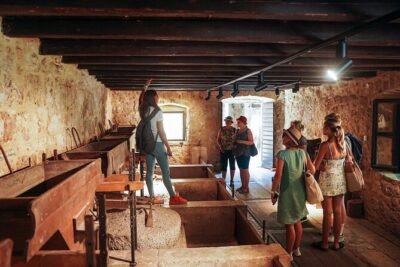 ★ 5.0Krka Waterfalls, Food & Wine Tasting TourFrom $459,326 reviews
★ 4.9Krka Waterfalls, Food & Wine Tasting TourFrom $446,598 reviews
★ 5.0Krka Waterfalls, Food & Wine Tasting TourFrom $459,326 reviews
★ 4.9Krka Waterfalls, Food & Wine Tasting TourFrom $446,598 reviews
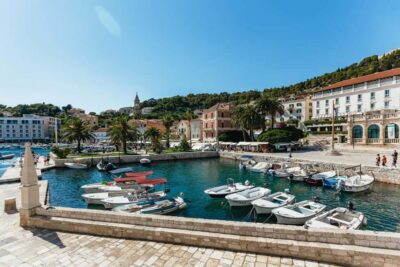 ★ 4.6Split/Trogir: Blue Cave, Mamma Mia, Hvar and 5 Island TourFrom $1096,320 reviews
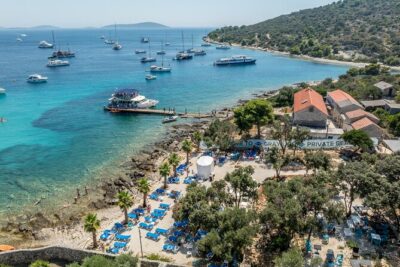 ★ 4.5Blue Lagoon & 3 Islands Cruise with Lunch from SplitFrom $785,756 reviews
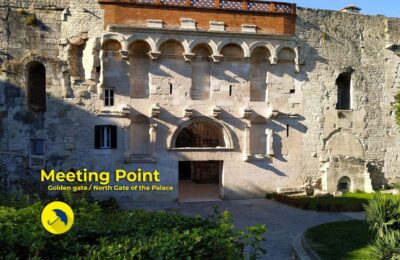 ★ 4.9Old Town and Diocletian Palace Walking TourFrom $174,727 reviews
 ★ 4.9Blue Lagoon Boat Party with DJs, Shots & After PartyFrom $474,610 reviews
 ★ 5.0Krka Waterfalls Tour, Boat Cruise & SwimmingFrom $324,489 reviews
Explore its other useful categories