

REVIEW · KRKA & ŠIBENIK DAY TOURS
Šibenik: Medieval Night Walking Tour
A night walk in Šibenik changes everything. In one hour, you get a guided stroll through dark, narrow streets and key medieval sights like the cathedral square and the cistern, with stories timed for night.
I especially love the way the tour uses walking in the dark to explain what everyday life felt like before the Middle Ages had proper street lighting. I also like that the guide, Dario Mikulandra, keeps the pace friendly and the stories vivid, with plenty of humor.
The only real drawback is obvious once you start, it is a nighttime walk with lots of stairs and old-town tight passageways, so comfy shoes matter.
Key Highlights You Should Not Miss
- The cathedral stories told from the square, with explanations about how light and construction mattered
- The medieval cistern with four wells, plus how water was collected and stored
- Šibenik’s oldest street and the feel of life in lanes that are centuries old
- St. Lawrence Monastery area and the cave in the old town, reached during the night route
- Column of shame and medieval fair legends, where morality and punishment become town folklore
- First public lighting lamp from 1895, a neat contrast to the Middle Ages
Why Šibenik Feels Different After Dark
Šibenik is already beautiful, but night changes the way you read the town. The streets are narrow, the stone looks different in low light, and you get the sense of how people moved through darkness long ago. That’s the core idea of this Šibenik medieval night walking tour: the night setting is not just for atmosphere, it is part of the lesson.
What I like is the structure. You are not just wandering. You stop at meaningful places and hear what those spots meant in daily life, in faith, and in the town’s fears and celebrations. Even simple things, like how people found water, become memorable when you are walking the same old lanes at night.
You can also read our reviews of more walking tours in Sibenik

Meeting at the Cathedral Portal (And Avoiding the Wrong Entrance)
You meet at the main entrance-portal of the cathedral, facing west. This is the entrance opposite the statue of sculptor Juraj Dalmatinac, not the cathedral doors with the lions. It is a small detail, but it saves you stress. Then you start and you end right back at that same meeting point.
This matters more than it sounds. The tour runs about one hour, so you want to be in the right place from minute one. If you are arriving from the waterfront or the busier center, give yourself a few extra minutes to orient yourself, even if you think you know the cathedral already.
Catedral of St. James Square Stories: Where Light Becomes Meaning
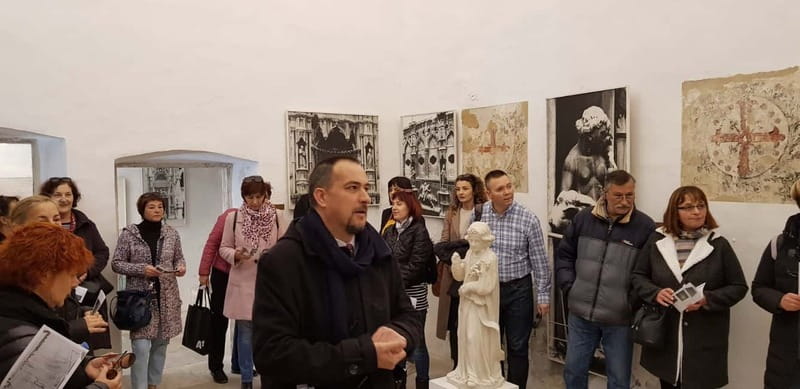
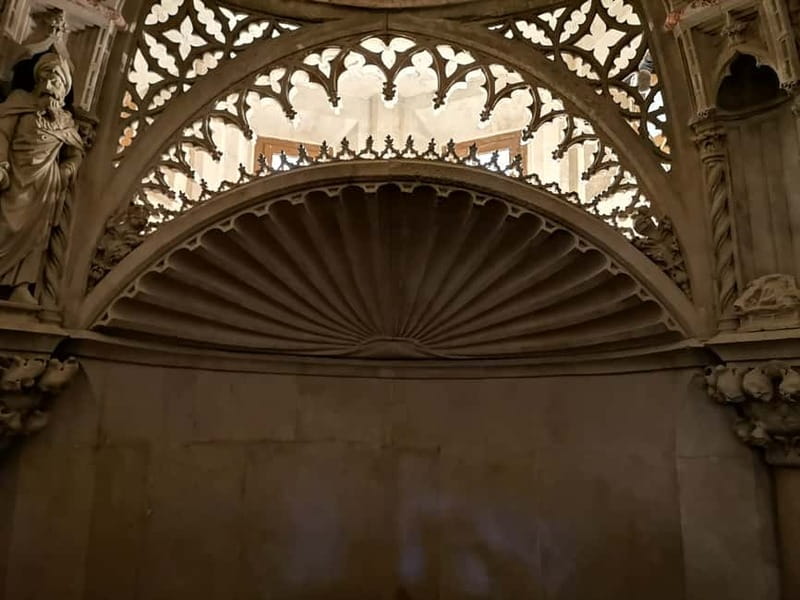
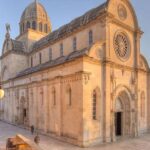
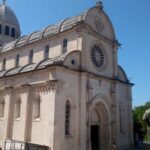
Your evening begins in the cathedral square, where the tour explains the construction and symbolism of what is often considered the most beautiful Croatian cathedral. Instead of treating it like a photo stop, you get a guided story about how the cathedral’s design connected to the people of Šibenik.
One of the most interesting parts here is how the guide talks about the meaning of light. You’ll hear why light mattered in the cathedral’s construction, and you’ll also hear how the town marked important moments, including how midnight on December 17 was greeted and why all 72 bells of the city rang. Even if the dates and details are debated in real history, the tour’s value is how it connects architecture to lived time and belief.
The Medieval Cistern of Four Wells: Water, Work, and Survival
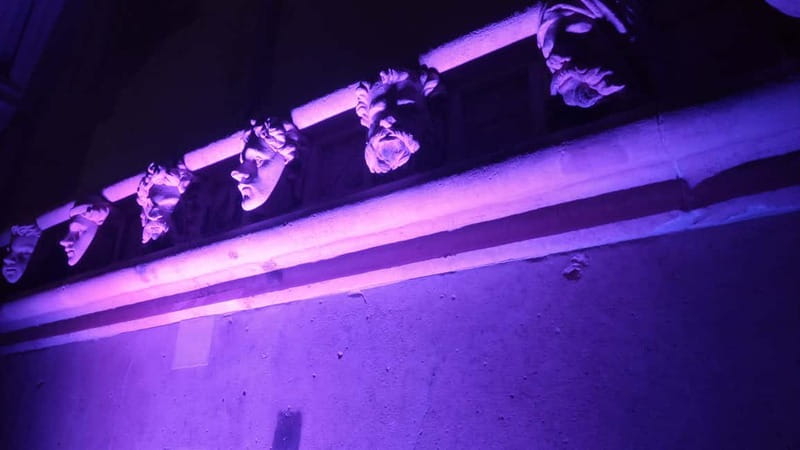
After the square, the tour shifts to the practical side of the medieval world: water. You visit the medieval cistern of four wells, a place that’s easy to overlook during daytime walks. At night, it feels even more real, because you’re seeing the infrastructure that helped people survive when everything above ground was harder.
The tour explains what the cistern looked like inside and how people collected water. This is the kind of stop that changes your thinking. You start looking at the city not just as monuments, but as systems for living: storage, flow, and protection.
If you like history that answers the question, how did people actually do it, this is one of your best stops.
Oldest Street and the Stairs You Earn
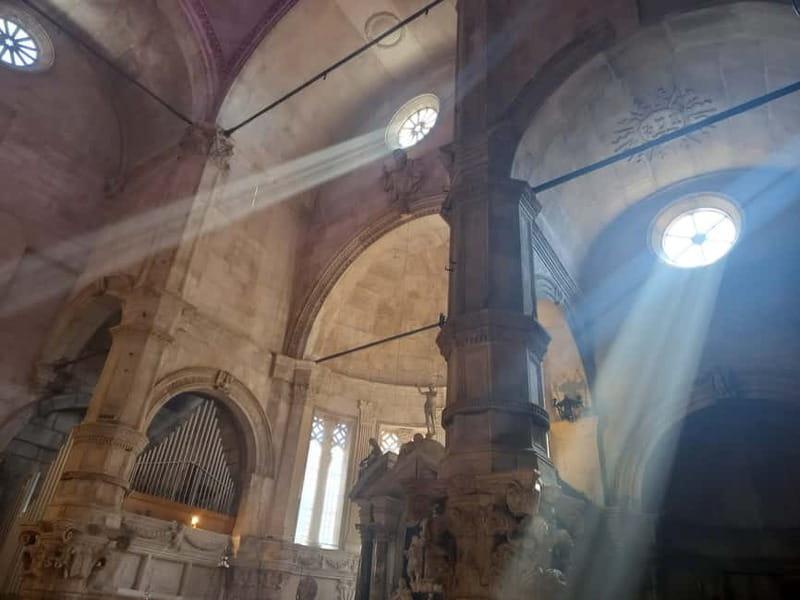
Šibenik is a town of layers, and the tour leans into that. You walk the oldest street in the city and you feel the slope and stone underfoot. You also work through narrow lanes, plus stairs and covered passages. In other words, it is not an easy stroll across a flat plaza.
The payoff is that you can understand how the old town worked as a lived space. Streets were not just routes between sights, they were part of neighborhood identity. In daytime you might label lanes as scenic. At night, with the stories attached, you start to see how the town’s shape shaped behavior, movement, and even privacy.
You can also read our reviews of more evening experiences in Sibenik
Column of Shame, Cheaters, and Town Justice
Next comes one of the tour’s most memorable themes: punishment and public morality. You’ll see where the pillar of shame was in Šibenik, and you hear stories tied to it, including ideas about cheaters escaping from the medieval fair.
This is the kind of stop that can sound grim if it is only described as punishment. The tour does something better. It places the column within a wider picture of how medieval society warned people, regulated behavior, and turned public space into a kind of stage for consequences.
It also makes you notice the contrast between today’s relaxed sightseeing and what public life used to demand. At night, when the streets feel quieter and more “closed in,” the stories land harder.
St. Lawrence Monastery, Covered Passageways, and a Cave Moment
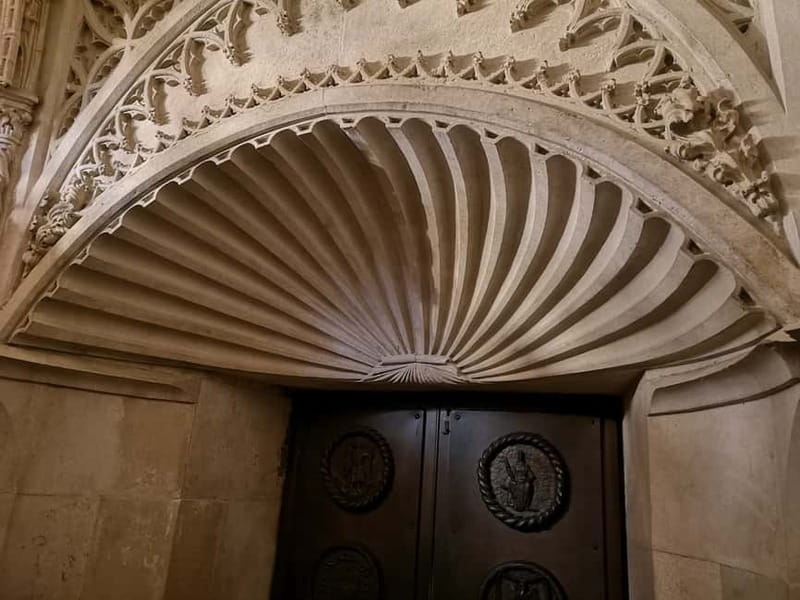
You visit the monastery of St. Lawrence, and you also get a cave-like experience in the old town area next to it. The tour describes caves and covered passageways as part of how people moved and prayed in different spaces. You’ll hear how nuns prayed for the city in darkened monasteries, which gives the monastery stop a mood you can actually feel while walking there.
This is also one of the places where the tour earns your attention through pacing. You do not just pass by the monastery. The tour connects it to faith, routine, and the way spiritual life shaped the city’s nighttime character.
If you like settings that feel atmospheric without turning into a theme-park, you’ll appreciate this stop.
St. John Church Reliefs and the First Public Lighting Lamp
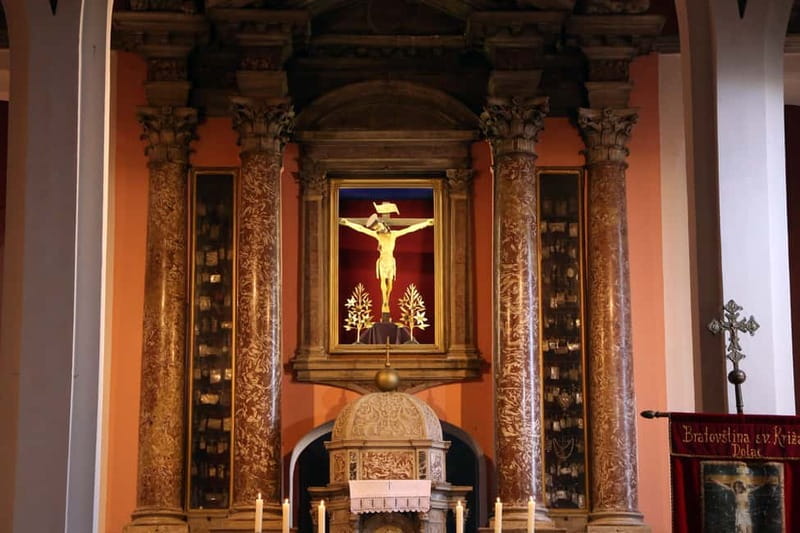
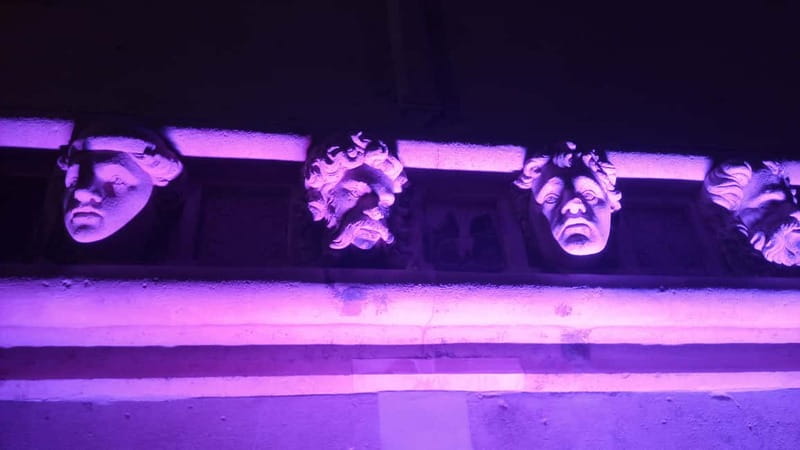
The tour includes time around the church of St. John and points out reliefs on the building. It’s a great pairing with the rest of the night theme, because reliefs are a reminder that medieval art was meant to teach and identify, even before people had signs and modern guides.
Then you get an especially clever contrast. You see the first public lighting lamp from 1895. That detail is more than trivia. It helps you understand that the darkness you’re walking through is not purely aesthetic. Street lighting arrived later, and the city’s night life changed with it.
That means you end the tour with a new respect for the medieval nighttime experience, not just the medieval buildings.
Plague, Bells, and Why the Town Did What It Did
Some tours stick to monuments. This one keeps pulling you into how the town thought and reacted. You’ll hear why there are no weddings in Šibenik during May, how houses were built inside the old city core, and how the plague almost destroyed the city in 1649.
You also hear questions people asked about the cathedral itself, including whether it took a long time to build or was done in record time. Even when you do not leave with one single definitive answer, that uncertainty becomes part of the story. It reflects how major projects and tragedies shaped community memory.
Finally, the bell story ties back to the cathedral theme. The tour explains why the 72 bells mattered and how the town marked key moments. That makes the cathedral feel like part of the daily soundscape, not just a landmark.
Town Crafts and the Medieval “Subway” Sign
Not every stop is a heavy monument. You’ll also see the town’s crafts and a medieval sign of the Šibenik subway. The phrasing can sound unusual, but the value is clear: the tour highlights how the city organized work and movement in systems that were older than anything you’d call modern.
It’s a fun segment because it shifts away from the biggest buildings and gives you a wider view of how Šibenik functioned. If you like collecting small details that make a place feel lived-in, you will enjoy these stops.
Price and Value for a One-Hour Night Tour at $49
At $49 per person for about one hour, this tour is priced like an experience that packs a lot into a short window. The time matters. Night walking limits what you can comfortably cover without rushing, and this route stays tight enough to feel focused.
Value comes from a few things you get together:
- A professionally led night interpretation by Dario Mikulandra
- Stops that include the cathedral square, a medieval cistern, the oldest street, the St. Lawrence monastery area, and more
- A mix of architecture, everyday infrastructure, and town folklore
- Maps and brochures in your language, which helps you continue exploring after you finish
Also, because it is a short night tour, you are not stuck with extra costs for church or museum entry. The tour plan notes there are no entrance fees for churches and museums as part of this experience.
Should You Bring Kids or Move at a Slower Pace?
The tour can work well for families. I like that it has something for different ages, with a mix of stories and physical walking through the old town. A family of four with two young children enjoyed it, and that tells me the tone is not just lecture-style.
That said, the route is still in an old medieval core with stairs and tight lanes. If your group is sensitive to cramped spaces, or if you cannot comfortably handle repeated steps, you might find the night route tougher than the length suggests. In that case, you could consider a shorter daytime walk instead, and save the cathedral for daylight.
What Makes the Guide Matter Here (Dario’s Style)
This tour lives or dies on its storytelling, and the guide makes a big difference. Dario Mikulandra is described as engaging, passionate about Šibenik, and quick to answer questions. People also highlight his excellent English and good sense of humor.
That matters because many of these stops involve cultural references, legends, and “why” questions, like why weddings stop in May or what light symbolized in the cathedral design. A good guide makes you feel like you are learning instead of being lectured.
If you like a tour that feels animated but still grounded in place, Dario’s approach is a strong reason to choose this one.
Book It or Skip It: My Practical Recommendation
Book this Šibenik medieval night walking tour if you want:
- A guided night walk that uses darkness as part of the storytelling
- A tight, one-hour route that hits the cathedral square, cistern, oldest street, and monastery area
- Town legends and practical medieval life, water storage, and how people marked time
Skip it if:
- You prefer daytime sightseeing and want to take photos without low light
- Your group cannot handle stairs and narrow lanes at night
If you only have one evening in Šibenik, this tour is a strong way to get oriented fast, then go back out on your own the next day with fresh context.
FAQ
How long is the Šibenik Medieval Night Walking Tour?
It lasts about 1 hour.
Where do we meet for the tour?
Meet at the main entrance-portal of the cathedral, facing west, opposite the statue of sculptor Juraj Dalmatinac. The tour does not start at the cathedral doors with the lions.
What languages is the tour available in?
The live guide offers the tour in English, Croatian, and Serbo-Croatian.
What is included in the tour?
The night tour includes a walk in the cathedral square with a story about the cathedral’s construction, a visit to the medieval cistern of four wells, the oldest street in the city, the monastery of St. Lawrence, town crafts, the medieval sign of the Šibenik subway, and the chapel of the first Šibenik doctor from 1419. You also see the column of shame and other highlights mentioned by the guide.
Are entrance fees included for churches and museums?
No. The tour notes that, as a short night tour, there are no entrance fees for churches and museums.
What is the cancellation policy?
You can cancel up to 24 hours in advance for a full refund.
More Walking Tours in Sibenik


More Tours in Sibenik




More Tour Reviews in Sibenik
Not for you? Here's more nearby things to do in Sibenik we have reviewed





More Krka & Šibenik Day Tours to consider.
 ★ 4.8Krka Waterfalls Trip with Boat Cruise and SwimmingFrom $3110,519 reviews
 ★ 5.0Krka Waterfalls, Food & Wine Tasting TourFrom $459,326 reviews
★ 4.9Krka Waterfalls, Food & Wine Tasting TourFrom $446,598 reviews
★ 5.0Krka Waterfalls, Food & Wine Tasting TourFrom $459,326 reviews
★ 4.9Krka Waterfalls, Food & Wine Tasting TourFrom $446,598 reviews
 ★ 5.0Krka Waterfalls Tour, Boat Cruise & SwimmingFrom $324,489 reviews
 ★ 4.8Krka Waterfalls Tour, Boat Cruise, and SwimmingFrom $313,118 reviews
 ★ 4.7Krka National Park TourFrom $312,359 reviews
 ★ 5.0Krka Waterfalls Day Tour with Boat Ride from Split and TrogirFrom $322,134 reviews
 ★ 5.0Krka Waterfalls Tour from Split with Boat Ride & SwimmingFrom $301,944 reviews
Explore its other useful categories