
REVIEW · SPLIT CITY & DAY TOURS
Split Walking Tour with History Professor
Split history can feel too big. This one makes it readable, with a professor guiding you through Roman roots and the later layers that shaped the city. I like the way it goes beyond a quick look at Diocletian’s Palace and turns the walk into a timeline you can actually follow.
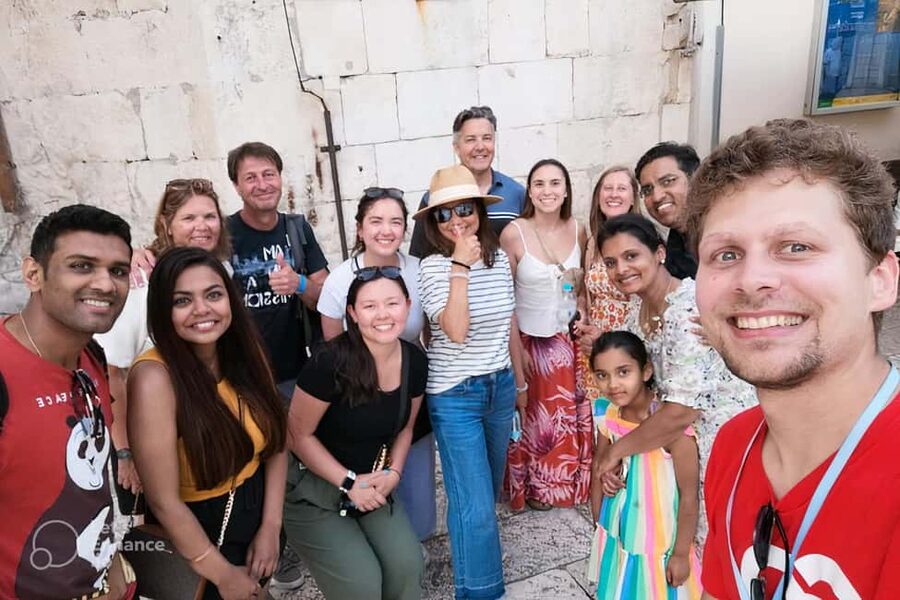
Two things I really like here are the small private group feel and how the guide, Mario, brings the story to life with humor and interaction. One drawback to plan around: it is not suitable for wheelchair users, so expect uneven old-stone streets and steps.
Key Points to Know Before You Walk Split With Mario
- Professor-led storytelling that turns palace facts into a clear timeline
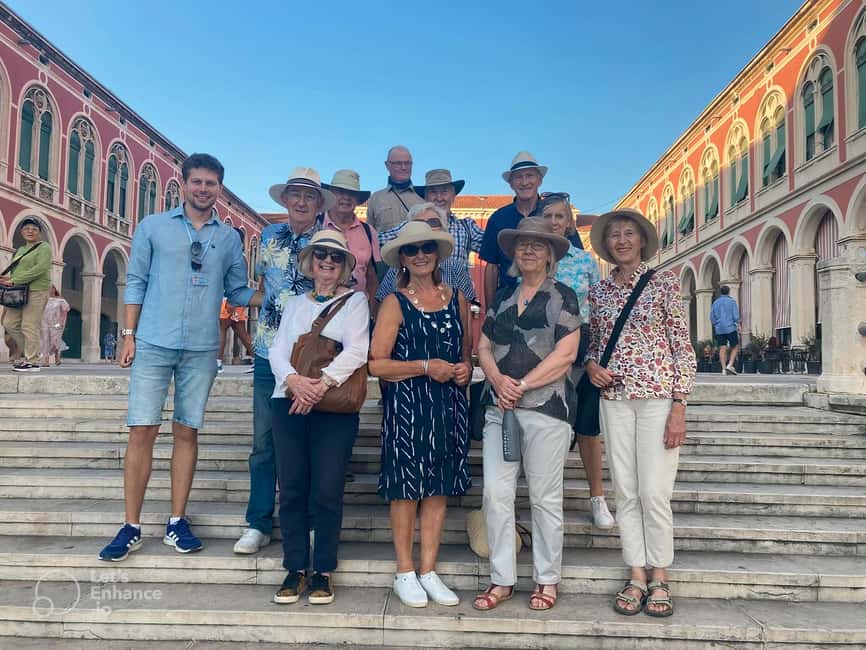
- Small private groups for questions, back-and-forth, and less rushing
- Roman to modern Split route, not just a one-site stop
- Game of Thrones locations worked into the historical context
- Big landmarks in just 2 hours, with admissions only at select stops
Meeting Diocletian’s Palace, Then Moving Past It
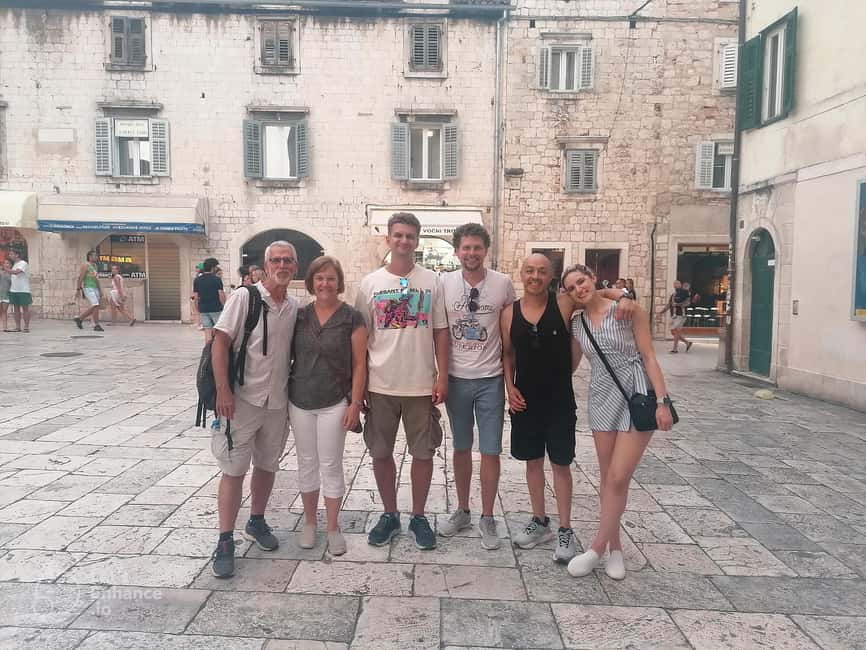
If you only see one “must” site in Split, it is easy to think you are done. This tour quietly fixes that problem. You start in the palace world of stone corridors and formal spaces, then keep walking until you are in the medieval and modern center, where other powers left their fingerprints.
The guide for this experience is Mario, and the vibe is part classroom, part friendly street conversation. You will get facts, but you will also be pulled into it, with questions and prompts that keep the pacing from turning into a lecture marathon. The result is history you can place, rather than history that just washes over you.
You can also read our reviews of more walking tours in Split


What $23 Buys You, and Where Extra Cost Might Happen
At $23 per person for a 2-hour tour (often running about 2 hours and 15 minutes), you are paying for two big things: a structured walk with a specialist and a curated hit list of major sights across multiple periods.
Most stops are covered as part of the guide experience. The two exceptions are admissions, which are listed as excluded for the Cathedral of Saint Domnius and the Temple of Jupiter. So budget a little extra if you plan to go inside those specific places. If you are only there to see the outside and key viewpoints, you can still get plenty from the walk, but the “full experience” is likely to include at least the cathedral stop.
The Route Starts at the Palace, But the Story Starts at the Harbor
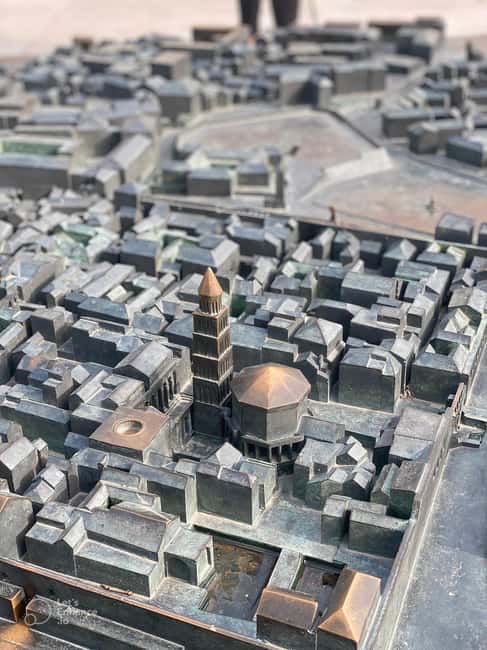
You meet next to the Brass Gate of Diocletian’s Palace. From there, the walk flows in a logical way: you get orientation first, then you go deeper into the palace, then you exit into the older city center where later eras show up.
The first stop is at a model of the historical core of the city of Split at Riva Harbor. This is a smart move because it helps you “see” the city before you walk it. Even if you arrive with just vague impressions of Split, this kind of starting point gives your brain a map. It is not a random pre-show, it is the framework for everything that comes next.
Stop by Stop: What Each Part Feels Like and Why It Matters
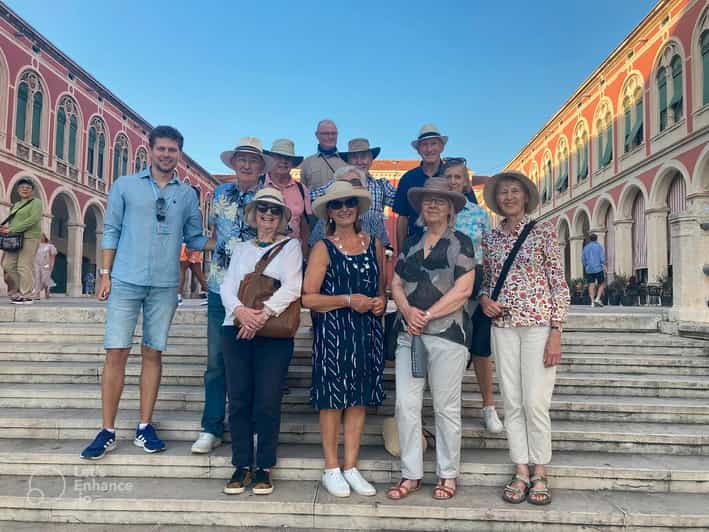
Diocletian Palace Substructures
Next you move into the Diocletian Palace Substructures. This is where the palace story stops being only about grand spaces and starts being about how a fortress-like residence worked in real life. Under the palace, you get a different scale and atmosphere, and the tour uses these spaces to connect architectural design to the broader Roman mindset of order and control.
Time here is short, about 5 minutes, so think of it as a high-impact opener. If you are the type who gets lost in long descriptions, this quick focus helps you move on with a clearer mental picture.
You can also read our reviews of more historical tours in Split


Peristyle
Then comes the Peristyle of Diocletian’s Palace. This is one of those spaces that rewards attention. You will likely understand why palace layouts became templates for later urban design, because the layout is still readable centuries later.
The tour time here is about 10 minutes, which is enough for key points without turning the stop into a standstill. You will also get it framed in the bigger story, not just a list of features.
Vestibule
The Vestibul is next, about 10 minutes. This stop is valuable because transitional spaces tell you how people moved and how power was displayed. You are learning how to read the palace as a machine, not just as an attraction.
If you like architecture and flow, this is the kind of stop that makes the rest of the walk easier to follow. You start spotting patterns: what feels formal, what feels defensive, what feels designed to control movement.
Cathedral of Saint Domnius
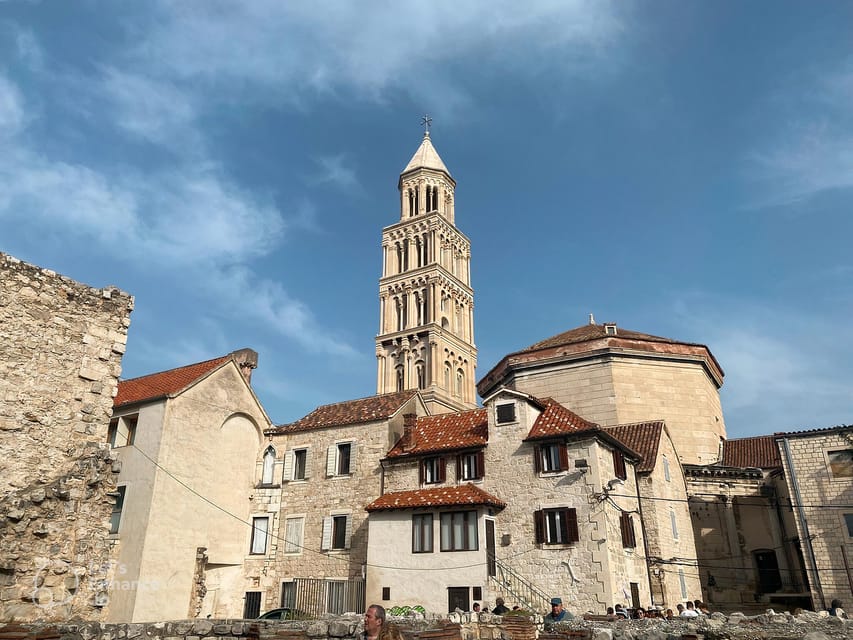
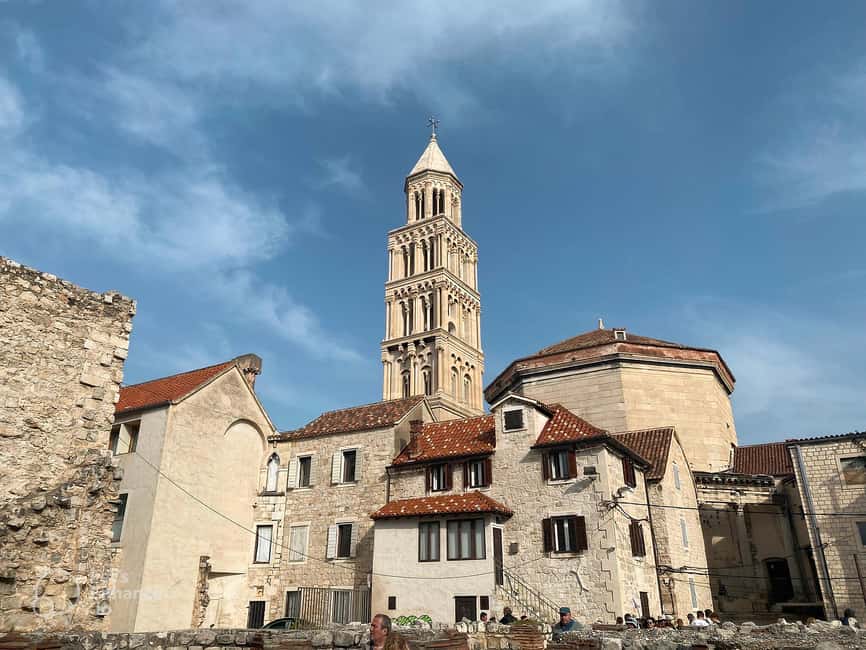
After the Roman core, you hit the Cathedral of Saint Domnius. The stop is about 20 minutes, and admission is listed as excluded, so you may need to pay separately if you want to go inside.
This is a good pivot moment in the tour. The palace is the Roman headline, but the cathedral is one of the landmarks that shows how later generations kept using and reshaping important spaces. Even if you keep your visit to the exterior views, you will come away understanding why this spot belongs in the center of Split’s identity.
Temple of Jupiter
Next is the Temple of Jupiter, another 10-minute stop with admission also excluded. This works well because it pairs with the cathedral stop. Together, they help you see how the city’s center keeps reusing sacred or ceremonial space over time.
If you decide to pay admission for either of the two excluded sites, this stop is a strong candidate since you get the story connected to multiple “layers” of the city.
Golden Gate
Then the Golden Gate appears, about 10 minutes. Gates matter because they are the city’s decision points: entrances, thresholds, and control points. In a walking tour, a gate is also a visual anchor, it gives you a clear marker that you are moving out of one era and into another.
This is also where the walking rhythm tends to feel smoother because you are no longer only “inside the palace logic.” You are reading the city’s edges and how the center connected to what came after.
Grgur Ninski Statue
A short hop brings you to the Grgur Ninski Statue, about 10 minutes. Statues can feel like a break in the story if the guide treats them like landmarks only. In this tour, Mario uses stops like this to connect local identity to the longer historical thread.
If you are a fan of street-level details, this is one of the moments that turns the route into a walk you can picture later, not just a blur of ancient walls.
Marmontova Ulica and Prokurative
Now you step into the streets that feel more like everyday city living. Marmontova Ulica gets about 10 minutes, followed by Prokurative for about 10 minutes.
These sections matter because the tour is explicitly trying to show medieval and modern Split, including influence from Venice, Ottomans, and Napoleon. You do not have to “study” those details to benefit. As you walk, you start noticing how city planning and public spaces reflect the power shifts that came after the Roman era.
Also, these are great breaks from the palace density. You get your eyes back, you get photos that feel like a living city, and you keep your place in time.
Fruit’s Square (Trg Brace Radic)
The final stretch is Fruit’s Square (Trg Brace Radic) for about 15 minutes. This longer stop feels like the tour’s landing spot, a chance to look around and absorb how the city feels today after seeing its older skeleton.
It is also a natural place to ask last questions, because the route has already delivered the big landmarks. By the time you reach the square, you are not just collecting sights, you are building a coherent picture of Split.
How the Game of Thrones Angle Works Without Taking Over
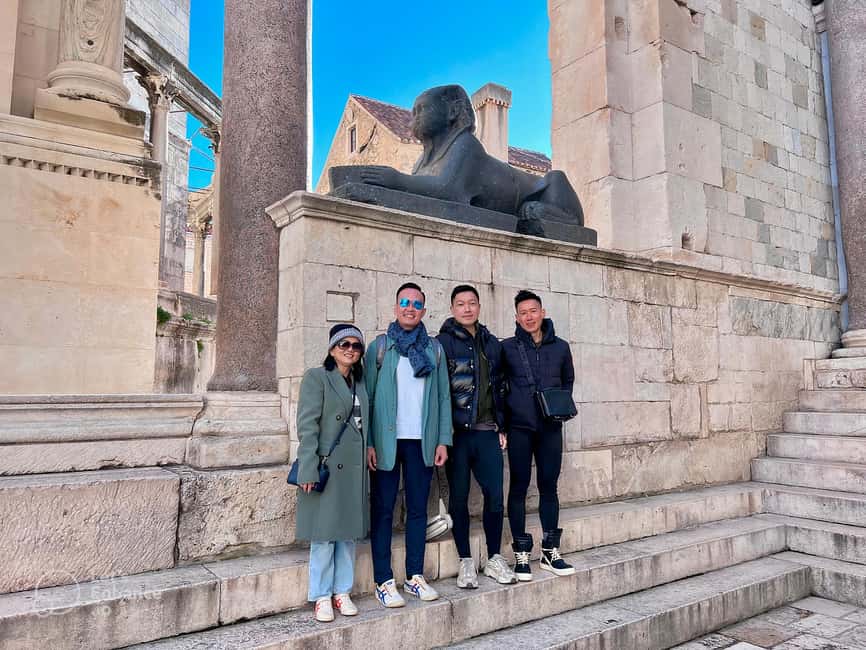
The tour promises Game of Thrones locations. The best way this type of add-on becomes useful is when it is tied to real place and real history, not just fan trivia.
Here, the GoT references show up as signposts you can attach to landmarks you would otherwise overlook. You get a reason to look closely at streets, facades, and key views. Then Mario can anchor what you see to the real timeline of Split, from the Roman palace days to the later periods that shaped the city you are walking right now.
If you are a fan, you will likely enjoy the extra layer. If you are not, you still get the benefit: better attention, better orientation, and a guide who knows how to connect “recognizable spots” to how the city actually evolved.
Small Group Energy, and Why It Helps You Remember More
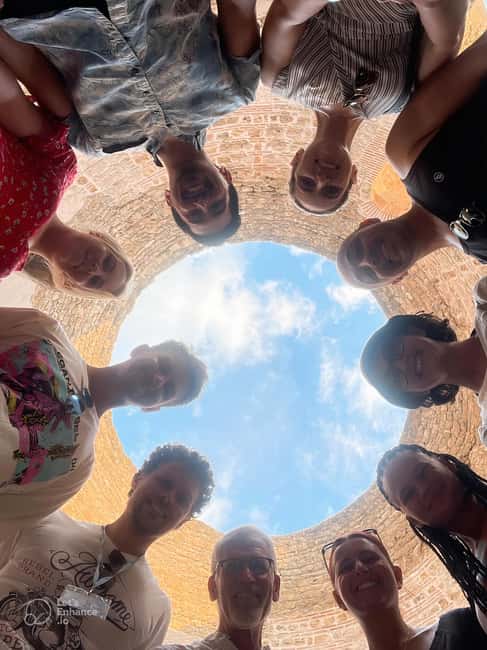
The tour emphasizes small private groups, and that shows in how the experience flows. In a large group, you spend half your time trying to see the guide and half your time avoiding the person in front of you. In a smaller group, you get time to react, ask, and get answers that fit your pace.
From the overall tone and the repeated emphasis on Mario’s delivery, it is clear the tour aims to keep you engaged. You are not stuck listening straight through. You get questions, you get humor, and you stay mentally active. That is one of the reasons this kind of tour can stick with you long after the walk ends.
Best For Who, and Who Might Prefer Something Else
This is a strong fit if you want:
- A history-led walk that moves beyond Diocletian’s Palace
- A clear timeline across Roman, medieval, and modern Split
- A guide who turns facts into something you can follow, even when the city has layers
It is less ideal if you:
- Need wheelchair access, since it is listed as not suitable
- Prefer very quiet, minimal interaction tours
The tour is appropriate for all ages, so if you are traveling with kids or multi-generational friends, this format can work well because it stays structured but still interactive.
Practical Tips So You Enjoy the Walk More
This is a walking tour, so your comfort matters. Wear comfortable shoes and comfortable clothes. Split’s center is made for walking, but it also has the kind of uneven, old-stone terrain that punishes unsuitable footwear.
Also, try to arrive with at least a light readiness to learn. Even if you are not a “history person,” the professor-style approach can help you understand what you are looking at, fast, without turning it into homework.
Should You Book This Split Walking Tour?
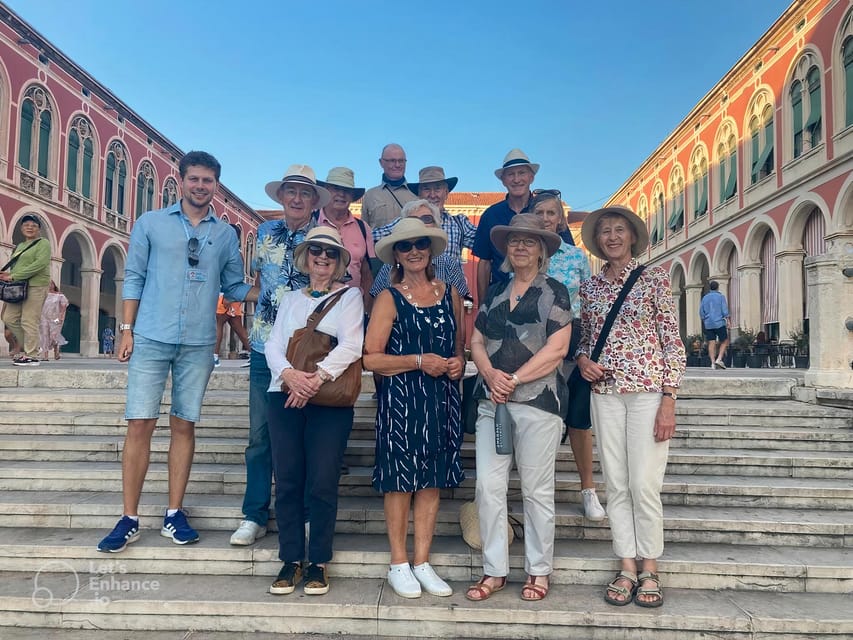
I think you should book it if you want a high-quality, professor-led way to understand Split in a short time. At $23, the value is strong because you are getting a tightly planned route across the palace, major landmarks, and the center’s later layers, with a guide like Mario who keeps the atmosphere friendly and interactive.
You should consider skipping or pairing with a different plan if you require wheelchair access, or if you only care about one site and want zero wandering. Otherwise, this is the kind of walk that helps you leave Split with more than photos. You will leave with a story your brain can replay.
FAQ
Where is the tour in Croatia?
The tour is in Dalmatia, Croatia, focused on Split.
How long is the Split walking tour?
The duration is listed as 2 hours.
Is there a small group size?
Yes, the experience highlights small private groups.
What language is the tour guide?
The tour is offered in English.
Where do I meet the guide?
Meet the guide next to the Brass Gate of Diocletian’s Palace.
What sights are included on the route?
You will see Diocletian Palace substructures, the Peristyle, the Vestibul, the Cathedral of Saint Domnius, the Temple of Jupiter, the Golden Gate, Grgur Ninski Statue, Marmontova Ulica, Prokurative, and Fruit’s Square (Trg Brace Radic).
Are admission tickets included?
Admission is excluded for the Cathedral of Saint Domnius and the Temple of Jupiter.
What should I wear or bring?
Bring comfortable shoes and comfortable clothes.
Is the tour wheelchair accessible?
No, it is listed as not suitable for wheelchair users.
Is cancellation free, and can I pay later?
Yes. You can cancel up to 24 hours in advance for a full refund, and you can reserve now and pay later.
More Walking Tours in Split
More Tours in Split

More Tour Reviews in Split

Not for you? Here's more nearby things to do in Split we have reviewed





More Split City & Day Tours to consider.
 ★ 4.8Krka Waterfalls Trip with Boat Cruise and SwimmingFrom $3110,519 reviews
 ★ 5.0Krka Waterfalls, Food & Wine Tasting TourFrom $459,326 reviews
★ 4.9Krka Waterfalls, Food & Wine Tasting TourFrom $446,598 reviews
★ 5.0Krka Waterfalls, Food & Wine Tasting TourFrom $459,326 reviews
★ 4.9Krka Waterfalls, Food & Wine Tasting TourFrom $446,598 reviews
 ★ 4.6Split/Trogir: Blue Cave, Mamma Mia, Hvar and 5 Island TourFrom $1096,320 reviews
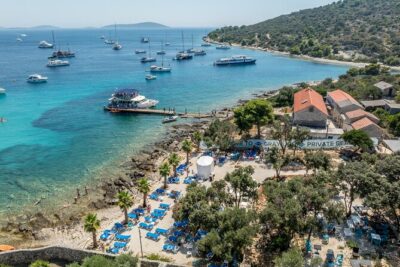 ★ 4.5Blue Lagoon & 3 Islands Cruise with Lunch from SplitFrom $785,756 reviews
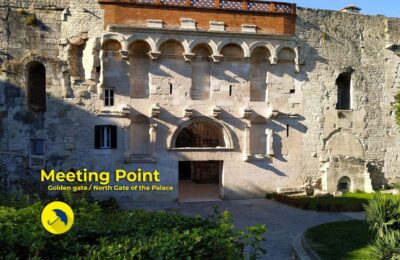 ★ 4.9Old Town and Diocletian Palace Walking TourFrom $174,727 reviews
 ★ 4.9Blue Lagoon Boat Party with DJs, Shots & After PartyFrom $474,610 reviews
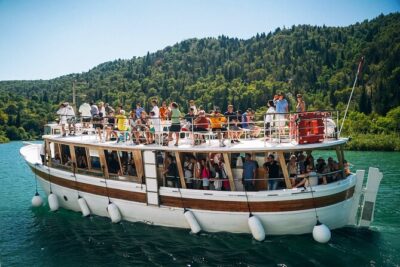 ★ 5.0Krka Waterfalls Tour, Boat Cruise & SwimmingFrom $324,489 reviews
Explore its other useful categories