
REVIEW · SPLIT CITY & DAY TOURS
Split Old Town History Walking Tour
Roman streets, real stories, and sea views. This walking tour strings together the big names in Split, from the waterfront start to Diocletian’s Palace substructures, with an easy pace that still hits the highlights. I especially like the practical, on-the-ground guidance, including local tips for where to eat, drink, and keep exploring after the tour ends.
One thing to consider is how active the route feels: you move quickly between exposed Roman spaces and shaded, underground areas. It runs in all weather, so you’ll want shoes that handle old stone and whatever Split throws at you that day.
Key things to know before you go
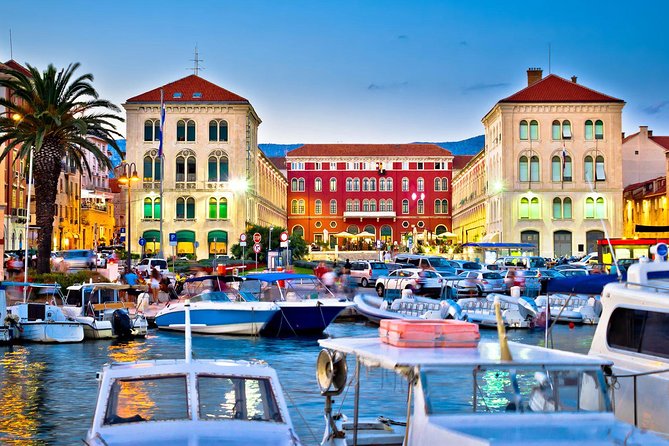
- Meet by the Riva promenade (Obala Hrvatskog narodnog preporoda 21) for a smooth start with sea views
- Diocletian’s Palace cellars and mausoleum sites in about 30 minutes of prime concentration
- Roman-to-Croatian layers you can see at the Cathedral of St. Domnius and the Temple of Jupiter
- A classic Split good-luck moment at the Golden Gate and the Gregory of Nin statue toe-rub
- Small groups (max 20), which makes it easier to hear your licensed guide
Your best first walk in Split’s Old Town
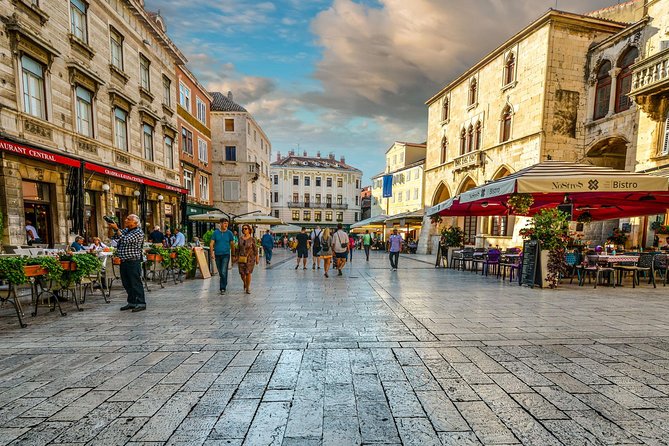
Split’s Old Town can feel like it’s already in “walk mode” the moment you step onto the stone streets. This tour is a smart way to get oriented fast, because it starts where locals start thinking about their day, on the Riva promenade. You get a short introduction to how Split is laid out, plus context that makes the later monuments click into place.
The tour also keeps your momentum. It is long enough to matter (about 1 hour 30 minutes), but short enough that you can still spend the rest of your day wandering on your own. And with a group size capped at 20 people, it does not turn into a shuffle through landmarks.
English-speaking guests are covered, and you get a mobile ticket, which is handy if you like to travel light. You’ll also have two departure times to choose from, which matters in Split, where the lighting and comfort can swing a lot between morning and evening.
You can also read our reviews of more walking tours in Split

Riva promenade meeting point: get your bearings right away
You begin at Obala Hrvatskog narodnog preporoda 21, at the waterfront promenade. This is a practical choice, because you can arrive by walking from nearby places or using public transportation without hunting through back alleys.
From there, the guide sets the stage: what to look for, how the palace shaped the city, and what parts of the Old Town connect. If you’re the type who likes to understand where you are before you start photographing everything, this kind of start pays off later.
And you’re not stuck in a classroom. You’re outside, with sea air and an active promenade atmosphere. That matters for a short walking tour because it helps the whole experience feel like you’re learning in motion.
Diocletian’s Palace cellars: the underground story behind the city
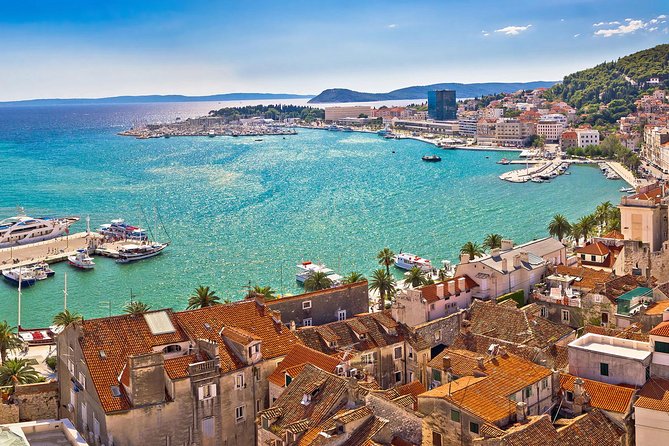
The tour spends a focused chunk on Diocletian’s Palace substructures, starting with the preserved underground chambers beneath the palace. This is one of those sights that can look like a quick stop on a self-guided walk, but with a good guide it becomes the “why” of Split.
Here, you learn that the cells beneath the emperor’s residence above were not random rooms. They supported life up top, and they explain how the palace functioned as a powerful residence rather than just a dramatic shell of stone. You’ll also get a sense of the scale of Roman planning, because these spaces show how much engineering went into keeping the emperor’s world running.
A good sign for you as a booking decision: multiple guides for this operator are described as passionate and efficient in how they explain these palace details. Names that have stood out include Anita, Katarina, and Petra, all praised for strong English and a knack for answering questions clearly.
St. Domnius Cathedral: Roman columns and a mausoleum mindset
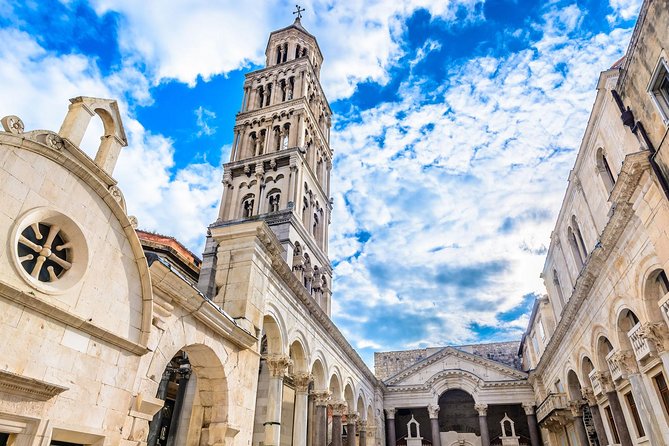
Next up is the Peristyle and Cathedral of St. Domnius. The key idea here is that this is not just a church you pass by. It sits at the heart of Diocletian’s Palace, and it was once connected with the emperor’s mausoleum.
In practical terms, you’ll see Roman columns and the cathedral’s dramatic presence in the palace setting. The guide’s job is to connect what you’re looking at to how the site worked when it was new and when it was re-used later. That viewpoint helps you avoid the common “I took pictures, but I still don’t know what it means” feeling.
One small consideration: the time is tight. You’ll get enough to understand the big picture, but if you want long, slow reflection, you might want to come back for a longer look on a separate visit.
Vestibulum acoustics and the possible klapa moment
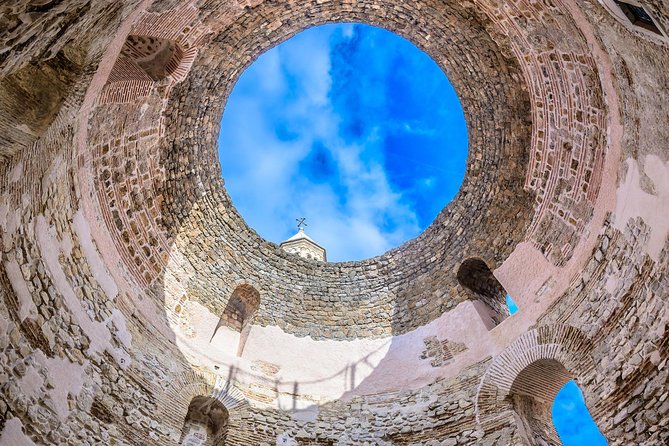
The next stop is the Vestibulum of Diocletian’s Palace, a space defined by its circular opening and strong acoustics. The guide points out the sound characteristics, and if you’re lucky, you might catch a live performance from klapa singers.
Even without the music, the point of this stop is how the building behaves as a space, not just what it looks like. This is a good moment to slow down slightly and notice how people use the area and how sound carries inside it.
You can also read our reviews of more historical tours in Split


Temple of Jupiter repurposed: sculptures and a baptistery
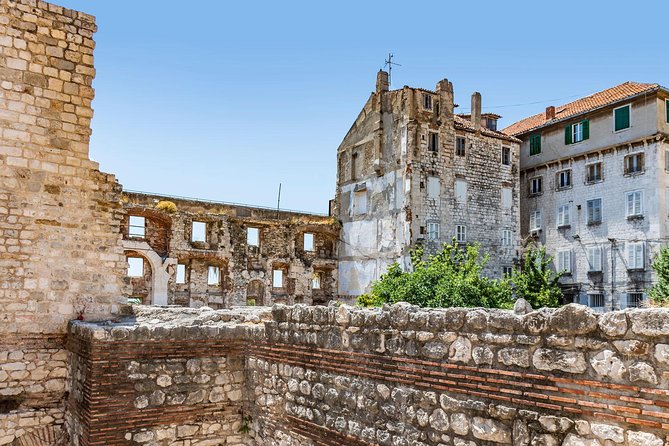
At the Temple of Jupiter, you’re looking at Roman sculpture and the fact that the temple has been turned into a baptistery. This kind of reuse is one of the reasons Split still feels alive. The architecture tells you a story of changing beliefs and changing needs over centuries.
You’ll also be pointed toward a preserved sarcophagus and ancient sculptural details. If you like sites where the “past” is physically still here, this one is worth the short stop.
Triklinij: how Roman banquets were staged
The tour moves to the Triklinij, the area where Diocletian hosted banquets. The value here is not just that it was a dining space. It is that the guide can connect architectural layout to Roman dining culture and imperial luxury.
This stop is short, but it helps you visualize the emperor’s life as something staged and curated. Instead of imagining Rome as distant and purely abstract, you see how power used spaces for performance, comfort, and display.
If you’ve ever visited ruins and wished someone explained how people actually lived inside them, this is one of the sections that answers that question.
Golden Gate and Gregory of Nin: the good-luck ritual
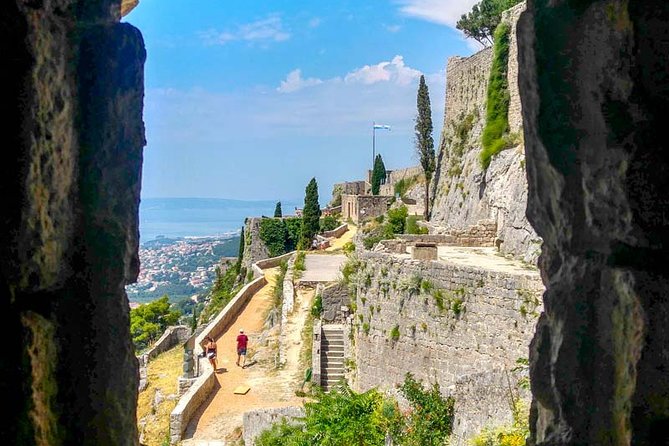
Then you hit the Golden Gate, the grand exit through one of the palace’s main gates. This is a satisfying shift from enclosed spaces to the open air. You get to reorient with a new viewpoint over Split’s Old Town streets.
Outside, the tour pauses at the statue of Gregory of Nin. There’s a local tradition of rubbing his toe for good luck, and you’ll be guided to do it. It’s quick, a little silly, and very “only-in-Split” in the best way.
It also signals the tour is nearing its end. Think of this as your transition from Roman core to the surrounding city that grew around it.
Old squares at Pjaca and Trg Brace Radic
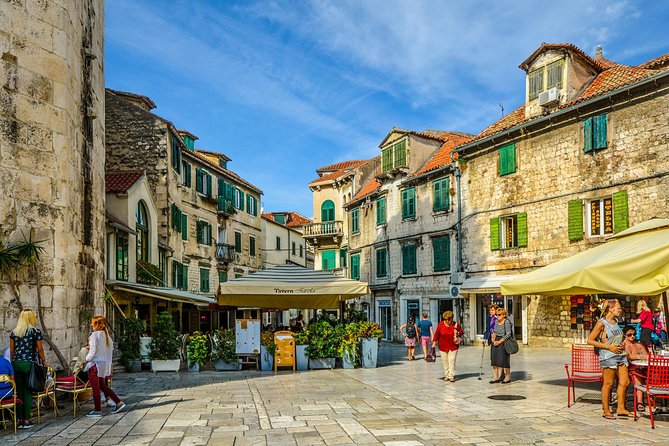
After the palace focus, the tour gives you two historic squares that show how everyday life fits around famous monuments.
At Narodni trg (Pjaca), you walk through a space lined with Venetian-era buildings, an old city clock, and cafés that keep the square active. This stop is useful because it shows you how to shift from “museum brain” into “hang out brain.”
Then you visit Fruit’s Square (Trg Brace Radic), named for the fruit market that once took place there. The square is framed by baroque palaces and functions as a lively daily meeting point now.
I like these last stops because they help you understand the city’s rhythm. You come away knowing where to pause, where cafés cluster, and what areas feel most comfortable to keep wandering.
The pace, timing, and what 1.5 hours actually covers
A one-and-a-half-hour walking tour has to make tradeoffs. Here, the emphasis is clear: you spend more time in and around Diocletian’s Palace than on less central viewpoints.
That’s not a downside for most people. It’s a strategy. Split’s palace is the gravitational center of the Old Town, and seeing the palace substructures, the cathedral area, and the temple sites in sequence helps everything feel connected.
In reviews, guides such as Toni, Rocco, and IVA are specifically praised for pacing and for making the tour feel efficient and enjoyable. One note that may matter for you: a couple of people mention they got a bit more than the strict time limit with their guide. So the experience can feel like it gives slightly more than the clock promises, as long as your guide is on a similar rhythm.
Price and value: why $30.23 can make sense
At $30.23 per person for about 1 hour 30 minutes, this tour is positioned as a value way to get guided context without paying separate admission. The key detail is that the sights you visit have free admission tickets listed for each stop.
You are paying mainly for:
- A licensed local guide
- The interpretation that makes archaeology and architecture readable
- The practical local recommendations for food and exploring
- A small-group format (max 20)
So the price is not really about entrance fees. It is about saving you time and confusion. If you plan to visit Diocletian’s Palace areas anyway, guided context typically saves you from bouncing between spots with no real storyline.
Also, because the tour ends right back at the start point on the promenade, you do not lose time figuring out logistics. You can keep your day rolling.
Who should book this Split Old Town walk
This tour is a good match if you want:
- A first-day orientation to Split’s layout
- Strong guided explanations without spending half a day
- A walk that focuses on Diocletian’s Palace and nearby squares
- English guidance with local insider direction
It is also well-suited for travelers who prefer small groups. With a max of 20, it tends to feel more like a guided walk with a conversation than a loud, moving line.
You should consider skipping or pairing differently if you hate lots of short transitions. This route involves moving in and out of palace spaces and spending time on old stone. Wear shoes you trust.
If you’re coming with children, the tour notes that children must be accompanied by an adult. Pets are not allowed.
Final advice: should you book?
I think you should book this tour if you want the highest-value way to understand Split’s Roman core plus the city squares that keep it human. The free-entry nature of the stops, paired with a licensed local guide and strong mentions of guide quality like Anita, Katarina, Petra, Toni, Rocco, and IVA, makes it a low-risk choice for most visitors.
Just go in with realistic expectations: it’s a short walk, so you will get the key story beats, not a slow, museum-style linger. If that sounds like your pace, you’ll likely come away with a much clearer mental map of Split and where to go next on foot.
FAQ
How long is the Split Old Town History Walking Tour?
It runs for about 1 hour 30 minutes.
Where do I meet the guide, and where does the tour end?
You meet at Obala Hrvatskog narodnog preporoda 21, 21000 Split, Croatia, and the tour ends back at the same meeting point.
Is the tour offered in English?
Yes, the tour is offered in English.
Are admission tickets included for the main stops?
The listed stops have free admission ticket status, and the tour includes the licensed local guide.
What should I bring for the tour?
The tour includes no food or drinks, so plan accordingly. Also dress for the weather since it operates in all weather conditions.
Is the tour ever canceled, and what happens if it is?
If it is canceled due to poor weather, you’ll be offered a different date or a full refund. You can cancel for a full refund if you cancel at least 24 hours before the experience starts.
More Walking Tours in Split
More Tours in Split

More Tour Reviews in Split

Not for you? Here's more nearby things to do in Split we have reviewed



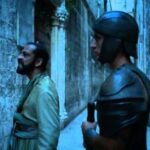
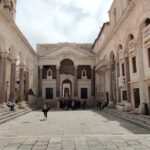

More Split City & Day Tours to consider.
 ★ 4.8Krka Waterfalls Trip with Boat Cruise and SwimmingFrom $3110,519 reviews
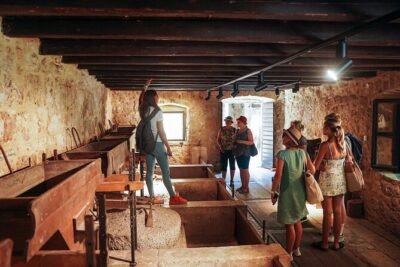 ★ 5.0Krka Waterfalls, Food & Wine Tasting TourFrom $459,326 reviews
★ 4.9Krka Waterfalls, Food & Wine Tasting TourFrom $446,598 reviews
★ 5.0Krka Waterfalls, Food & Wine Tasting TourFrom $459,326 reviews
★ 4.9Krka Waterfalls, Food & Wine Tasting TourFrom $446,598 reviews
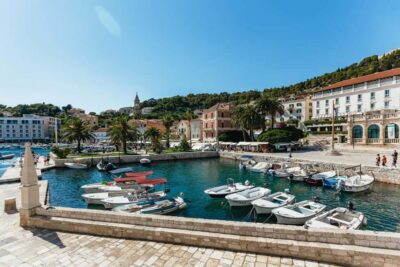 ★ 4.6Split/Trogir: Blue Cave, Mamma Mia, Hvar and 5 Island TourFrom $1096,320 reviews
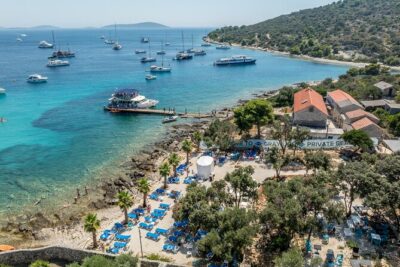 ★ 4.5Blue Lagoon & 3 Islands Cruise with Lunch from SplitFrom $785,756 reviews
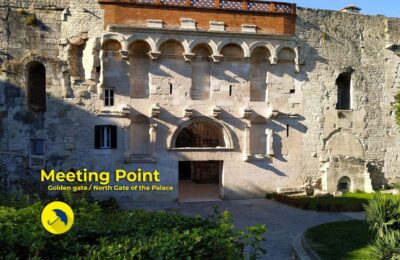 ★ 4.9Old Town and Diocletian Palace Walking TourFrom $174,727 reviews
 ★ 4.9Blue Lagoon Boat Party with DJs, Shots & After PartyFrom $474,610 reviews
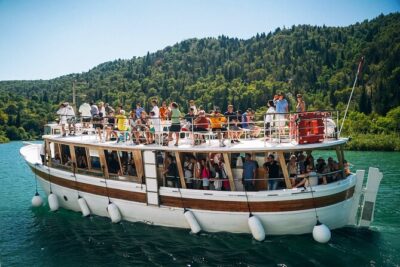 ★ 5.0Krka Waterfalls Tour, Boat Cruise & SwimmingFrom $324,489 reviews
Explore its other useful categories