
REVIEW · SPLIT CITY & DAY TOURS
Split: Group or Private Walking Tour with Art Historian
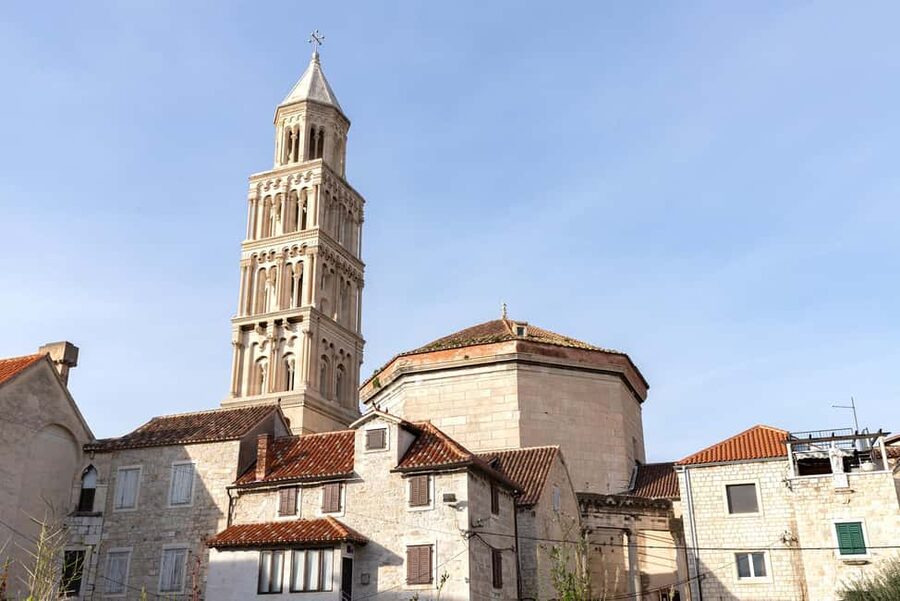
Split’s old stones talk fast. This walk helps you hear them, with Josipa, an art historian guide tied to ongoing archaeological work. I like how the tour pairs big-name sights with quiet, lesser-known corners, and how she makes the route feel logical through Split’s alleys. One thing to consider up front: it’s mostly outside, with no paid sites entered, so you will need a separate plan if you want interiors.
You start in Strossmayer Park and quickly move into the layers of Diocletian’s Palace and the Old Town streets. Josipa keeps the mood upbeat and practical, answers questions as they come, and even helps you pick an optimal path so you are not just wandering. If you have mobility limits or use a wheelchair, this is not the right fit because the route includes steps and is not suitable for wheelchair users.
Key Things I’d Bring Up Before You Go
- Art historian guide (Josipa) with real depth on how to read what you see in the city
- 17 centuries in one walk, from Roman foundations to later layers you can still spot
- Iconic stops without ticket lines, since the tour does not enter paid sites
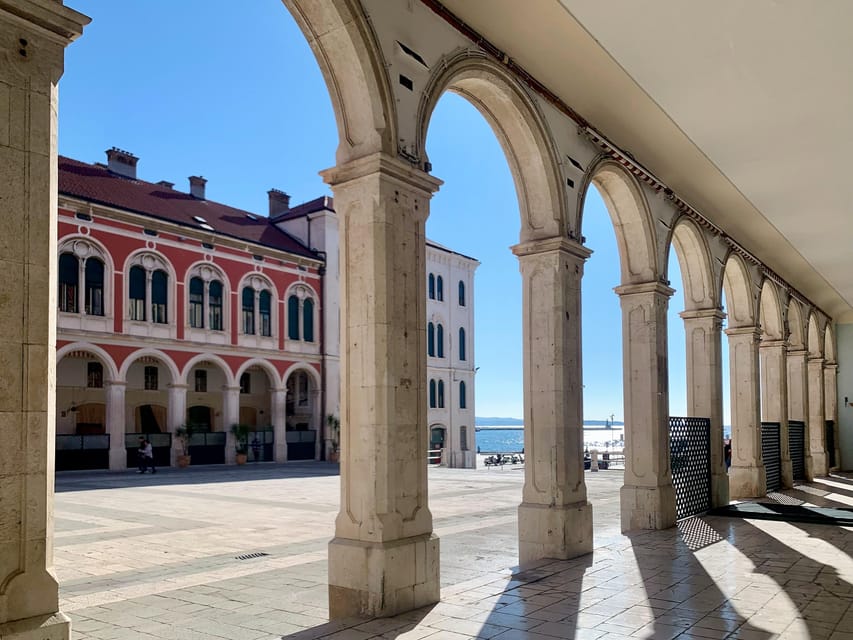
- A smarter route through Split’s Old Town, including gates, squares, and waterfront
- Real local advice, including when to visit Split and Croatia
- Private or small group options, tailored on the spot to what your group wants to ask
Split in Two Hours: What This Art Historian Walk Gives You
This is the kind of tour that changes how you look at a city. You do not just get a list of landmarks. You learn a method: how to notice traces of Roman and medieval life in everyday details, then connect them to what you are standing on.
I also like that it keeps the experience human. Josipa is friendly, cheerful, and approachable, and she makes room for questions. That matters in Split, where you can easily get overwhelmed by stone, arches, and alley turns.
The pace is built for a 2-hour hit of orientation. That means you will see plenty, but not everything will be slowed down for long museum-style time. If your goal is to spend an afternoon inside major sites, treat this as the perfect front door, not the final destination.
You can also read our reviews of more walking tours in Split

Finding Josipa in Strossmayer Park (And Why This Start Matters)
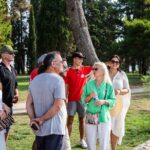
You meet around the fountain in Strossmayer Park (also called Djardin), right above the Golden Gates area. It is a green breather right next to the palace zone, so you start with a bit of calm before stonework takes over.
Practically, find Strossmayer Park or Strossmayerova Fountain on your map. The meeting point is near the Gregory of Nin statue, close to where the Golden Gates sit. Josipa holds a yellow and blue sign for Aspalathos Guided Tours, so you should be able to spot her quickly.
Why I think this start is smart: you ease into the geography. You are not thrown straight into the densest streets with no context. You also get oriented on the “edge” between park and palace walls, which makes the rest of the route easier to follow.
Strolling Through Diocletian’s Palace Without Entering Paid Sites

A key promise here is what you do not do. The tour does not enter paid sites like the Substructures, the Cathedral, or the Temple of Jupiter. You will still pass the major places and get stories and pointers on what to look for later when you visit independently.
That approach can be great value if you want context and a route plan more than ticket-heavy sightseeing. You get the visuals, the names, and the meaning, then you decide afterward what deserves your extra time and entrance fees.
You’ll also learn how to “read” traces of history yourself. In plain terms, Josipa helps you notice the changes over time, so the stones stop looking like random architecture and start looking like a timeline you can recognize.
The Walk Itself: Stop-by-Stop Through Split’s Core
This tour flows in an order that makes sense as a single loop. You start near the gates and palace edge, move through key palace areas, then keep heading through Old Town squares, the fish market area, and toward the waterfront and Republic Square region.
Strossmayerova Fountain (starting point)
You begin at the fountain in the middle of Strossmayer Park. This is your baseline landmark, and it helps you connect the park to the palace walls right away.
Josipa uses the start to set expectations, then the route begins to feel like a guided map rather than a wander.
You can also read our reviews of more private tours in Split

Gregory of Nin
Next you visit the area around the Gregory of Nin stop. It is a quick orientation moment that places you near one of Split’s best-known public statues, and it anchors the “outside the palace walls” feel before you step into palace territory.
Golden Gate
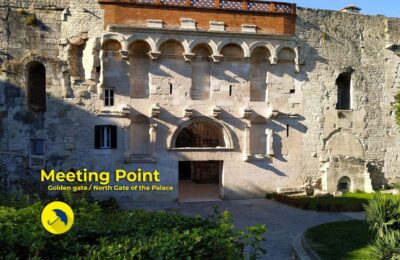
Then it is on to the Golden Gate. This is one of the palace entry points you see during the walk, and you get the story behind it in the context of the city’s layered timeline.
If you like learning how a city grew outward and inward, this gate moment pays off.
Sv. Martin
You continue past Sv. Martin. This is short in time, but it matters because you are building the full picture of how the Old Town sits on top of older Roman structures.
Expect more of the “spot it and interpret it” style than long speeches here.
Silver Gate
The Silver Gate follows. It is another visual marker that helps you understand the palace layout through the gates you pass and the streets you walk.
Even if you only catch glimpses, the guide’s explanations help you connect what you see to what you learn.
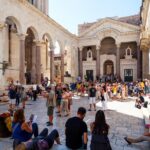
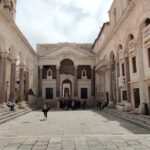
Peristil
Now you reach Peristil (Peristyle). This is one of the big, eye-catching stops on the route, and Josipa connects it to the palace setting and the long sweep of change in Split.
It is also a natural moment for photos, because you are standing in one of the palace areas that reads as a centerpiece.
Jupiter’s Temple
Then comes Jupiter’s Temple. Even though the tour does not enter paid sites, you still get a meaningful introduction to the place, and the guide gives you what to remember for later.
If you are the type who wants to see structures first and decide on tickets later, this format works well.
Street Let Me Pass
You pass by Street Let Me Pass for a short, guided stop. This is exactly the kind of street detail that makes the walk feel like more than a checklist.
The value here is how the guide uses side streets to keep you learning, not just walking.
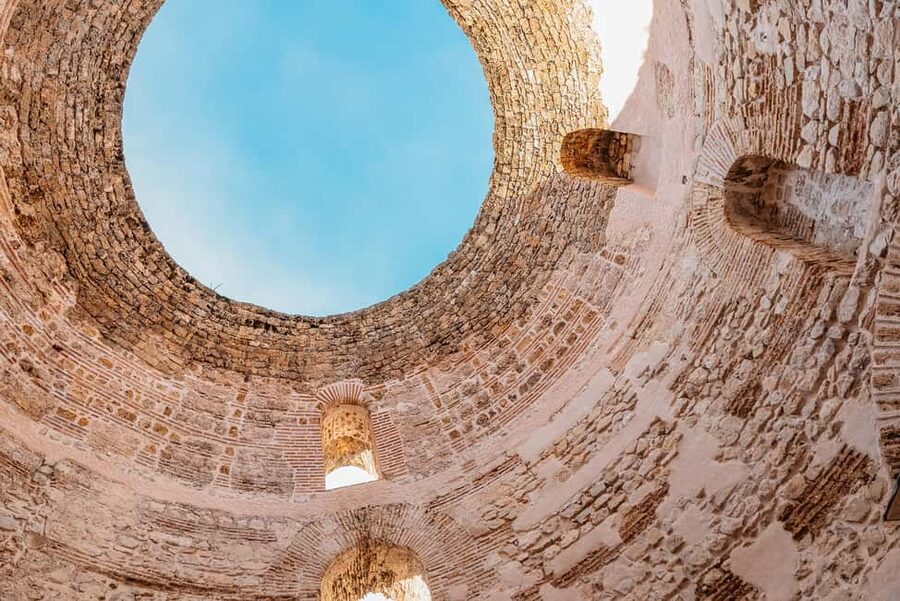
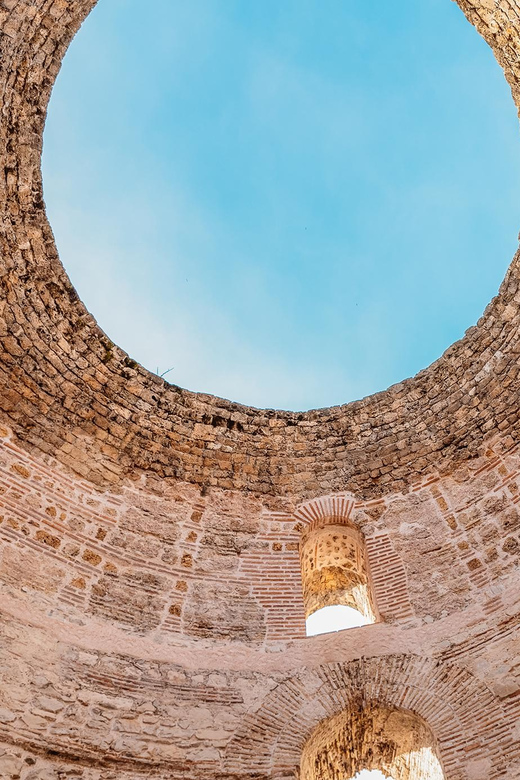
Vestibul (photo stop)
Next is Vestibul, where you stop for photos and guided sightseeing. This is a good reminder that the tour balances “look” with “learn,” instead of making everything feel like a lecture.
Triklinij
You then visit Triklinij. The time is brief, but it helps you see more of the palace complex rather than only the most famous viewpoints.
Diocletian’s Cellars
At Diocletian’s Cellars, you get the story and context while keeping things outside the paid-site experience. That means you get the why, without turning the tour into a museum sprint.
If you already know you want interiors, note that Josipa gives instructions and suggestions for visiting later on your own.
Riva, Split
Now the route opens up to the Riva waterfront. This is where the city shifts from palace architecture toward everyday life and the sea-facing pulse of Split.
It is a great contrast stop, because your brain has been trained to see stone layers, then suddenly you get a different kind of scene.
Maketa grada Splita
Next is Maketa grada Splita, a guided stop that gives you a small overview style moment. It helps you mentally organize what you have already walked, and what you might want to revisit.
Fruit Square
Then comes Fruit Square, again with short guided sightseeing. This is a good place to breathe and reset. Square stops are where you can ask quick questions and get “what should I do next” type direction from the guide.
People’s Square
Then People’s Square. This stop helps connect the palace zone to the wider Old Town street life, so you stop thinking of Split as only Roman stones.
Split Fishmarket
After that, you reach the Split Fishmarket area. It is a sensory shift, and it gives the tour some grounded local energy.
Even on a history-led walk, this part matters because it shows how the old center still functions.
Republic Square
Finally you end at Republic Square region. This is one of the major finishing anchors, and it is a useful place to orient yourself for the rest of your day.
The itinerary mentions drop-off locations around Trg Šperun and Republic Square, so you should have an easy exit point for lunch, shopping, or a self-guided revisit.
What You Actually Learn (Beyond Names on a Wall)
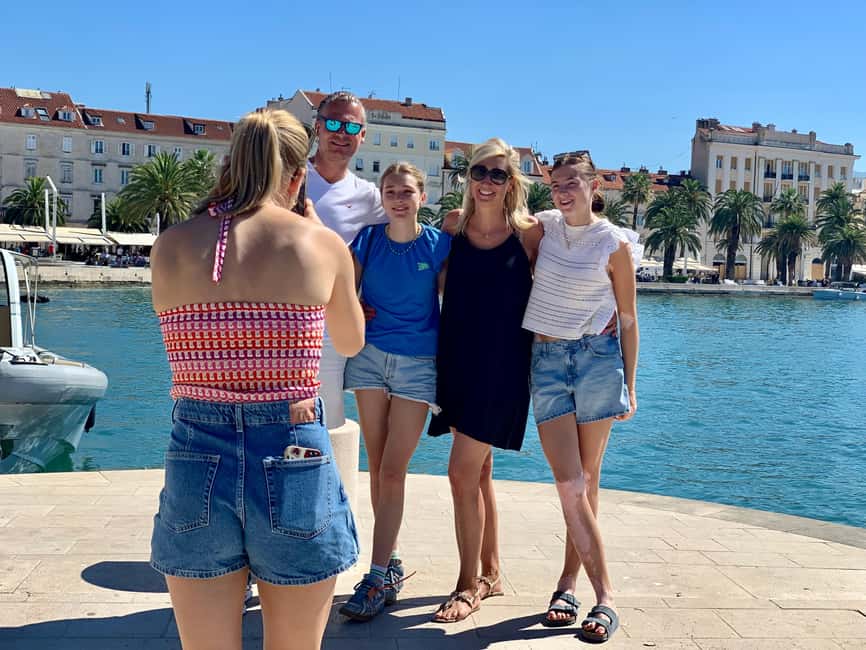
Josipa teaches you more than what things are called. She helps you learn how to read traces of history in the city itself. That is the difference between a tour that gives facts and a tour that helps you keep learning after it ends.
You also get a guided sweep across city landmarks from Roman times to today. You will hear lesser-known facts and stories, often the kind of details you would not normally catch from standard guide writing.
If you like archaeology-style thinking, you will probably enjoy the way she connects spots across centuries. If you are more casual, do not worry. You can follow the route and still come away with a “now I see it” feeling.
Avoiding Tourist Gimmicks: How This Tour Feels in Real Life
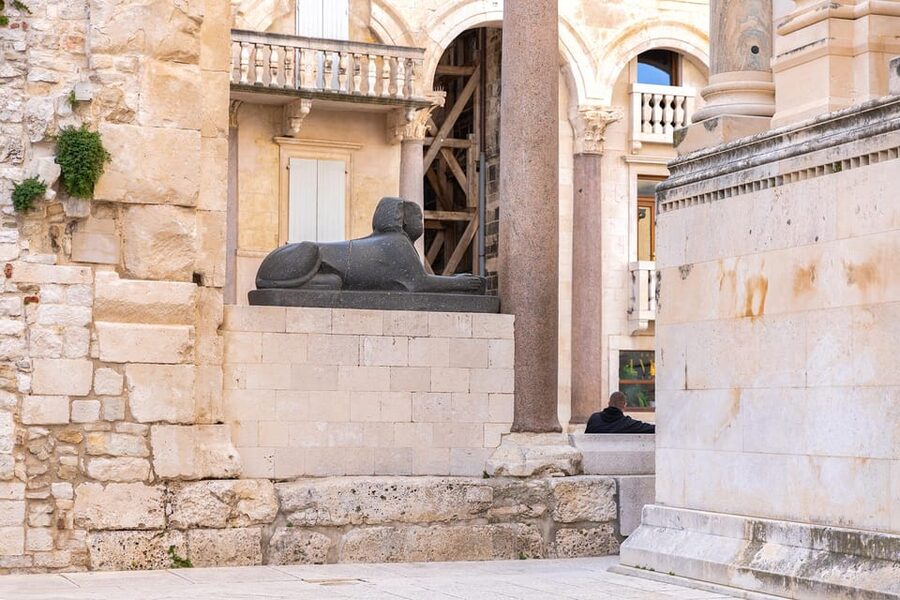
The tour is built around the guide’s passion, not gimmicks. You do not get staged games or forced sales pitches. Instead, you get a steady stream of explanations while walking an efficient route.
One thing I really appreciate about this style is that you can ask questions on the spot. The guide’s approach makes it easy to steer the conversation toward what you care about, whether that is architecture, the palace layout, or what to do next in Split.
Also, the “no paid site entry” choice keeps the tour from becoming crowded and stressful. You get to see the main places without spending the time you might rather put toward lunch or a second, focused visit.
Price and Value: Is $32 for 2 Hours a Good Deal?
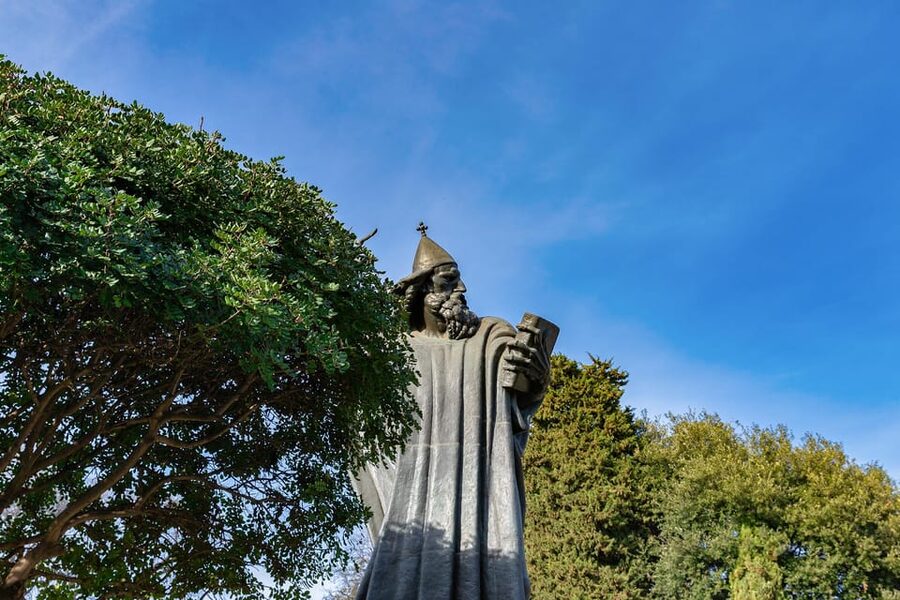
At $32 per person for 2 hours, this is priced like an efficient orientation tour with real specialist guidance. What makes it feel good value is the mix: you get a licensed local guide who is an art historian, and you cover a lot of key palace and Old Town landmarks in a tight loop.
The no-ticket-site format is also part of the value equation. You are not paying for museum-style admissions during the walk. Instead, you get stories and later suggestions, which is a smart way to decide what you truly want to spend money on.
If you are on a first day in Split and want the city to make sense quickly, this price tends to feel fair because it can guide your entire next step, not just fill 2 hours.
Who This Tour Suits Best
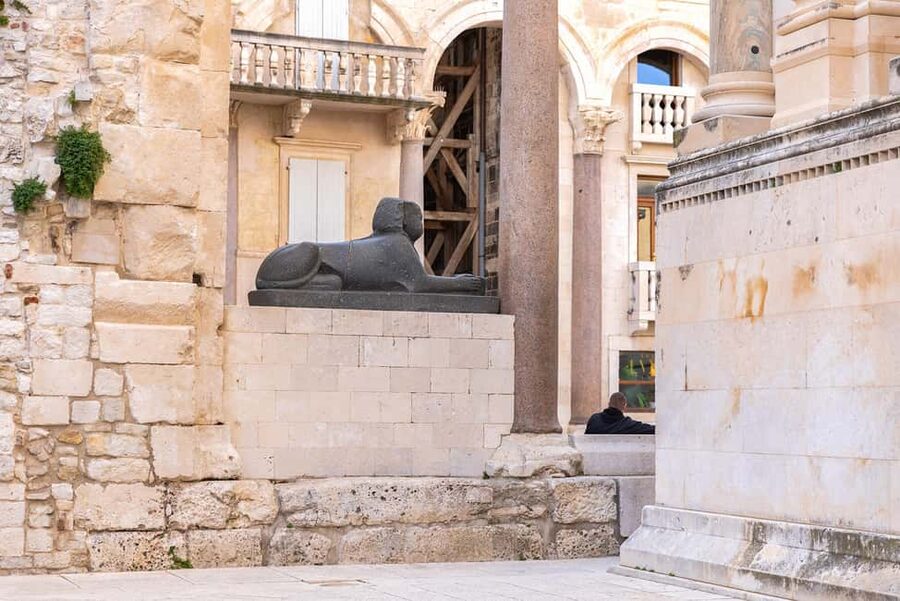
This walk is ideal if you want a guided route through Split Old Town that helps you understand the big picture without heavy ticket time. It is also a strong choice if you like asking questions and talking with a guide who can explain the why behind what you are seeing.
It may not be the best fit if:
- you need step-free access
- you are wheelchair-bound
- you rely on hearing accommodations not listed for this tour
- you want a tour that goes inside major paid interiors during the walk
If you are comfortable walking on uneven Old Town surfaces and you want a smart art-and-architecture perspective, you will likely enjoy it.
Plan Your Timing, Weather, and Walking Comfort
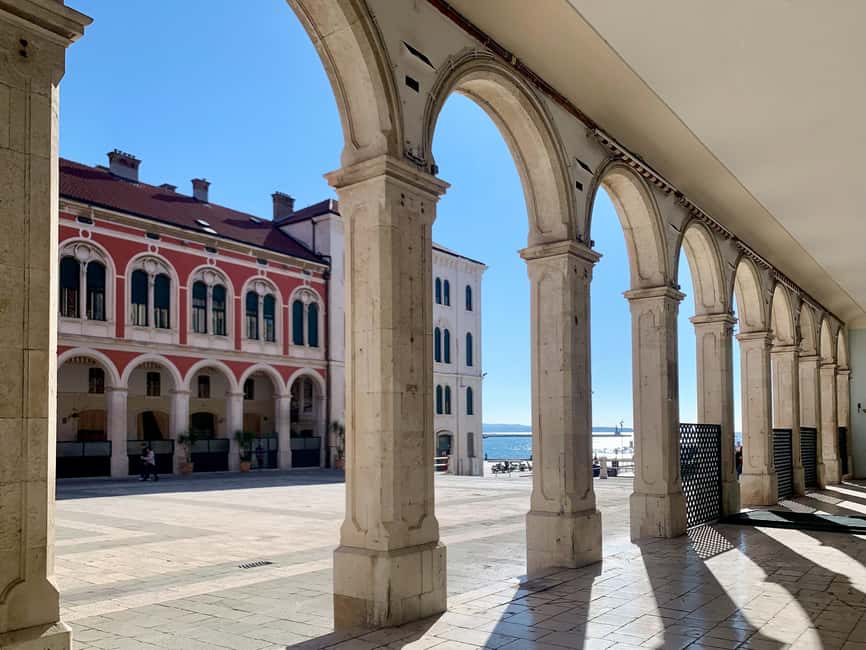
This tour runs rain or shine, so bring the basics. You should also expect unavoidable steps. If that is a concern for you, check your comfort level before booking, since it is listed as not suitable for wheelchair users and people with mobility impairments.
In summer, getting to the city center can take extra time due to traffic. There is a max waiting time of 10 minutes after which the group departs from the starting point, so build in buffer time.
Should You Book This Split Old Town Art Historian Walk?
Book it if you want a clear, guided route through Diocletian’s Palace and Split Old Town and you care about learning how to notice what history looks like on the street. Josipa’s style is question-friendly and upbeat, and the emphasis on lesser-known stories plus off-route stops can make Split feel new, even if you have seen photos before.
Skip it if your main goal is paying for interior visits during the 2 hours. Since the tour does not enter paid sites, you will still need to plan those separately. Also, if stairs and mobility limits are part of your reality, look for another format that fits your needs.
If you do book, do yourself a favor: arrive a few minutes early, come with curiosity, and let the route train your eyes. By the end, you should start spotting the city’s timeline on your own.
FAQ
Where do I meet the guide for the tour?
Meet around the fountain in the center of Strossmayer Park (also known as Djardin). The meeting point is near the statue of Bishop Gregory, just above the Golden Gates. You can search for Strossmayer Park or Strossmayerova Fountain on your map.
What does the tour include, and does it enter paid attractions?
The tour includes a licensed local guide, Josipa. It does not enter paid sites such as the Substructures, Cathedral, or the Temple of Jupiter, but it passes by them and the guide shares stories and suggestions for visiting later.
How long is the walking tour?
The tour lasts about 2 hours. Starting times vary, so you’ll want to check availability.
What language is the tour in?
The tour is offered in English.
Will the tour run in bad weather?
Yes. The tour takes place rain or shine.
Is this tour suitable for wheelchair users or people with mobility impairments?
No. It is not suitable for people with mobility impairments and it is also not suitable for wheelchair users. The route includes several unavoidable steps.
What about flexible plans, can I cancel or pay later?
You can cancel up to 24 hours in advance for a full refund. You can also reserve now and pay later, so you do not have to pay immediately.
More Walking Tours in Split

More Tours in Split

More Tour Reviews in Split

Not for you? Here's more nearby things to do in Split we have reviewed




More Split City & Day Tours to consider.
 ★ 4.8Krka Waterfalls Trip with Boat Cruise and SwimmingFrom $3110,519 reviews
 ★ 5.0Krka Waterfalls, Food & Wine Tasting TourFrom $459,326 reviews
★ 4.9Krka Waterfalls, Food & Wine Tasting TourFrom $446,598 reviews
★ 5.0Krka Waterfalls, Food & Wine Tasting TourFrom $459,326 reviews
★ 4.9Krka Waterfalls, Food & Wine Tasting TourFrom $446,598 reviews
 ★ 4.6Split/Trogir: Blue Cave, Mamma Mia, Hvar and 5 Island TourFrom $1096,320 reviews
 ★ 4.5Blue Lagoon & 3 Islands Cruise with Lunch from SplitFrom $785,756 reviews
 ★ 4.9Old Town and Diocletian Palace Walking TourFrom $174,727 reviews
 ★ 4.9Blue Lagoon Boat Party with DJs, Shots & After PartyFrom $474,610 reviews
 ★ 5.0Krka Waterfalls Tour, Boat Cruise & SwimmingFrom $324,489 reviews
Explore its other useful categories