
REVIEW · SPLIT CITY & DAY TOURS
Private Split Walking tour with a Photo session
Split hits different when someone explains it slowly. This private Split walking tour pairs classic Roman sights with a photo session, so you leave with stories and images.
I especially love how the route starts with the everyday Split you actually want to feel, the Riva Promenade, then moves straight into Diocletian’s Palace where the streets and buildings still work like a living neighborhood. You’ll also get a proper professional touch from photographer Ivan Gudić, plus guide support in English from hosts like Jelena, based on recent guest notes.
One thing to keep in mind: like many small tours, timing and meeting details matter. If you’re coming in with a cruise schedule, I’d confirm the meeting instructions before you head out, just to avoid stress on arrival.
Key things to know before you go
- Riva Promenade first: the tour begins in Split’s main “living room,” right by a bronze model of the city.
- Roman sites with real context: Diocletian’s Palace is explained as both villa and military camp, then you walk the layout.
- A signature photo moment: a private professional lifestyle photographer (Ivan Gudić) plus period-style photo options.
- Cathedral ticket is extra: Saint Domnius (and linked areas) costs 25 Croatian kuna, so plan for it.
- Private pace, 2.5 hours only: once you finish, you’re free for the rest of the day.
A Private Photo-Backed Walk Through Split’s Roman Core
This tour is built for people who want more than quick photos of stone. You get a guided walk through Split’s most famous Roman layers, plus a structured photo session so you can stop, pose, and actually capture the place you just learned about.
The format is practical: you cover around 2 hours 30 minutes, then you’re done. That matters in Split because the best part of the day is often what you do afterward, wandering at your own speed in the Old Town.
And since it is private, your guide can slow down when you care, speed up when you don’t, and point you toward the next streets worth turning onto.
You can also read our reviews of more walking tours in Split
Meeting at Obala Hrvatskog narodnog preporoda, Then Getting Your Bearings Fast
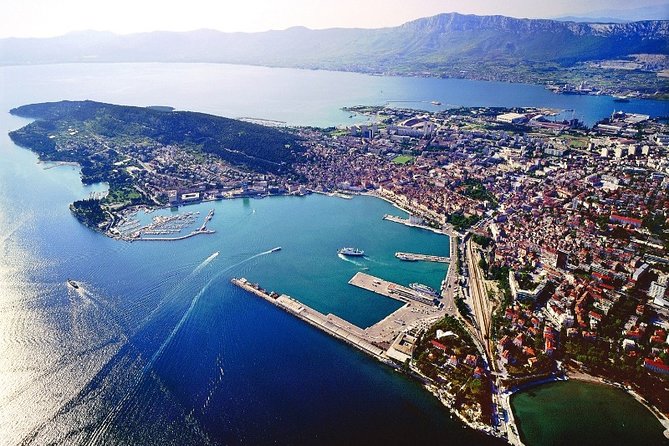
Your start is at Obala Hrvatskog narodnog preporoda, 21000 Split. The good news is the location is easy to orient to because it’s on the main waterfront area people already use as a reference point.
This is one of those tours where being on time helps. The meeting spot is tied to a landmark moment on the Riva promenade, and you want to be there before the group energy gets scattered.
You’ll end back at the same meeting point. That’s helpful if you’re parking, catching a ride, or trying to keep your day simple.
Riva Promenade: Split’s Outdoor Living Room by the Sea
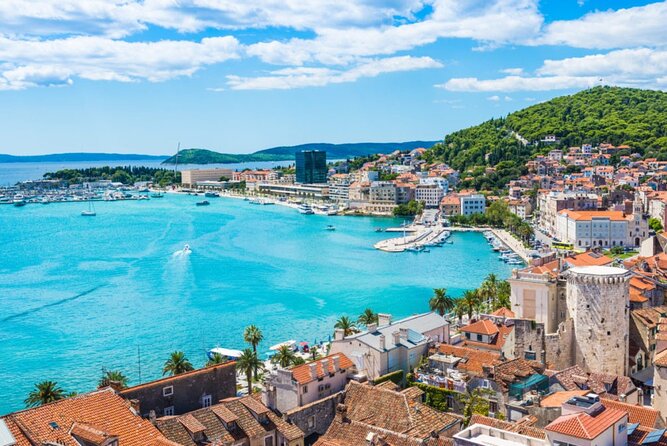
The walk begins on the Riva promenade, which locals treat as more than a pretty waterfront. It’s where the city gathers for big moments all year, including New Year and Christmas celebrations, and it hosts events like Carnival and City Day.
The promenade itself is short, about 250 meters long and 55 meters wide, which keeps this start focused. You get a sense of the scale quickly, and you also get practical comfort: lots of coffee shops and restaurants line the sea view, so it’s easy to grab a drink before or after the tour.
You start near a bronze model of the city of Split. I like this kind of first stop because it gives you a mental map before you step into the maze of Old Town streets.
Why it’s worth your time: it frames Split as a real working city, not a museum you just pass through. You’ll understand the later Roman buildings better because you see how the modern city uses the space around them.
Possible downside: if you’re already tired from travel or sun, this early waterfront stretch might feel longer than it sounds. Wear comfortable shoes and plan a small water break.
Diocletian’s Palace: The Roman Complex Still Shaped Like a Fortress
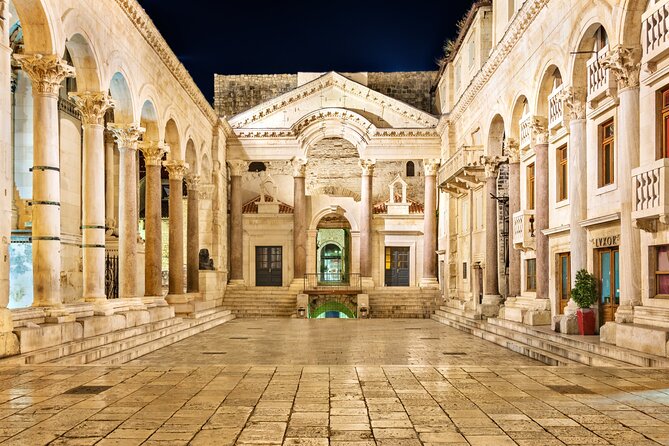
Next you move into Diocletian’s Palace, one of the best-preserved Roman monuments you can visit. The key point your guide will emphasize is that this was not just an emperor’s luxury villa. It was also organized like a military camp, with a layout split into four parts, two main streets, and a system of towers and gates.
You’ll see the big-picture geometry as you walk. The palace is about 215 by 180 meters, with four large corner towers and doors facing each of the four sides. Even if you are not a Roman-history nerd, the layout makes sense when someone connects the dots between the empire and the daily city life that happened later.
The stop here is short enough to keep it energetic, about 30 minutes. That’s ideal if you want the highlights without spending your whole day inside.
What I’d watch for: how doors and towers relate to each other. Once you notice the symmetry, the whole place becomes easier to follow.
Vestibule: The Acoustics Stop That Turns Stone Into Sound

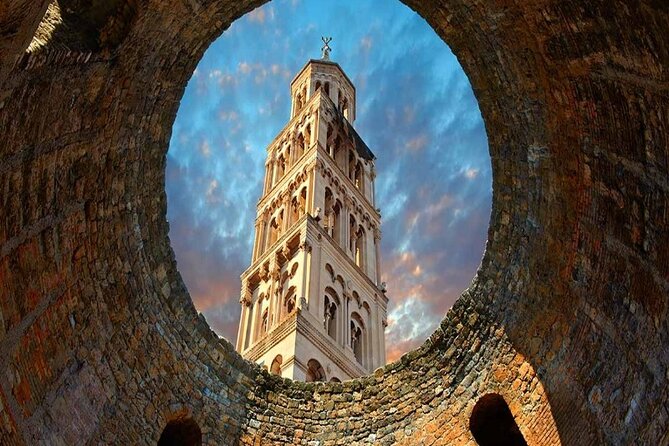
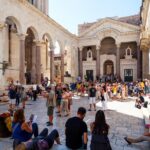
After the big palace overview, you head to the Vestibule. From the outside it looks rectangular, but inside it becomes circular. That inside shape is a big part of why it feels so monumental today, even after centuries.
You’ll get a close look at details that make the space feel almost too functional, like semicircular niches with statues and a large cupola with mosaic. This is also one of the stops where the tour’s pacing really helps, because you can absorb the architectural logic and then immediately understand how it was used.
Here’s the fun twist: it wasn’t always purely ceremonial. Not long ago in the past, residents used it for living, including keeping poultry and cultivating gardens. That kind of detail makes it easier to imagine the palace as a lived-in place.
And then there’s the acoustics. The space is known for outstanding sound, and you may hear group singing there, including traditional Dalmatian a cappella style. Even if the timing is not perfect for music, the architectural setup makes the idea feel believable.
Why it’s worth your time: it’s the most “human” stop among the Roman structures, because it explains how people actually occupied these spaces.
You can also read our reviews of more private tours in Split

Saint Domnius Cathedral: A Living Cathedral Inside the Roman Mausoleum

The Cathedral of Saint Domnius is the kind of site where timelines overlap in the same footprint. The cathedral is located within the oldest surviving building tied to Emperor Diocletian, the mausoleum.
You’ll hear the transformation story: what began as a Roman imperial structure became a cathedral by the 7th century. The result is a place where pagan and Christian layers are physically close, and the site still feels like it has a job to do today.
Two practical notes help here. First, today it is primarily a place of liturgy. Second, the entry costs extra.
Plan for an admission fee of 25 Croatian kuna, around 3.5 euros, for the Cathedral of Saint Domnius. That ticket also covers the Temple of Jupiter and the Crypt of St. Lucy.
You’ll also hear about the cathedral gates carved in walnut by Andrija Buvina from Split. I like this detail because it shifts the focus from big architecture to craftsmanship you can actually spot with your eyes.
Possible downside: if you arrive at a busy time, keep your expectations realistic for how long you’ll have to linger. This stop is worth it, but it can feel time-sensitive when services or crowd flow are active.
Grgur Ninski Statue: Symbolic Power With a Silly Local Ritual
Outside the Golden Gate, you’ll find the statue of Grgur Ninski. The story here is cultural and political, not just religious. Gregory of Nin is tied to the push for using the Croatian language in Catholic services across Croatia, rather than only Latin.
This statue was crafted by Croatian sculptor Ivan Meštrović in 1929, created to mark 1,000 years since Gregory’s defense of Croatian culture. The guide will also likely mention the tiny tradition people do with the sculpture: rubbing the big toe is said to grant a wish.
This is a quick stop, about 10 minutes, so it works as a reset point after the heavier architectural moments. It also helps you understand Split as a city shaped by identity battles, not only empire-era stone.
Why I like this stop: it makes the walk feel local. You’re not just seeing ruins, you’re meeting the symbols people still react to.
People’s Square (Pjaca), Fruit Square, and Prokurative: The Old Town Squares You’ll Actually Return To
After the cathedral, the tour flows through several squares that function like the city’s social switches. You start with Narodni Trg, also known as Pjaca.
Pjaca is the city’s central stage. It was once a main inhabited area outside the palace walls, leaning to the western wall. Over time it became a hub for city life, with buildings that still show centuries of authority and noble families tied to the area. Today it’s where bars, restaurants, and shops line the edges and where you can easily spend your free time after the tour ends.
Next comes Fruit’s Square, Trg Brace Radic. It’s smaller, but it’s packed with visual cues. The octagonal Venetian tower is a standout, a leftover from a fortress built in the 15th century. Across from it you’ll see the Baroque facade of the Milesi Palace, plus a monument to Marko Marulić, a key figure in Croatian literature.
Then you finish at Prokurative, a square set up with Venetian-style colonnades. It has an unmistakable St. Mark’s Square vibe from across the water, and it’s named after the arches on the surrounding neo-Renaissance buildings. Antonio Bajamonti helped drive its development, and the square became a stage for cultural events and pop music festivals, with bars and restaurants pulling the energy into the open air.
Why these stops matter: these squares are where you’ll naturally want to return once your guided portion ends. They also help you connect the dots between Roman planning and later Venetian influence.
Possible downside: if the weather is hot or the streets are crowded, the time in open squares can feel slower. Still, this is the best way to understand Split’s layout without getting lost.
The Photo Session: Turning Your Walk Into Real Portraits

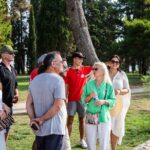
This experience is not just a guided walk with occasional snapshots. It includes a private professional lifestyle photographer, Ivan Gudić.
In practice, that means you’ll stop at selected moments to create photos that feel intentional. You’re not just standing in front of buildings, you’re using the architecture and your guide’s context to make the pictures make sense.
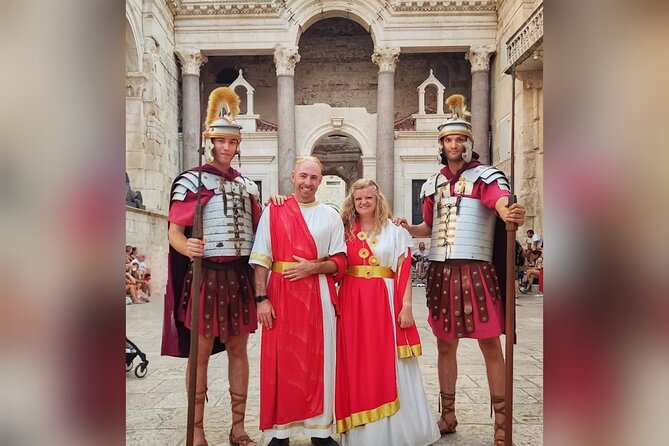
Recent guest notes also mention period-style photo options, including Roman-themed outfits added at the end of the tour. Even if you don’t go for costumes, the photo session itself is a strong reason to choose this over a generic walking tour, because you get help with timing, posing, and framing.
My advice: bring a camera if you love your own shots, but also let the photographer do their job. You’ll get better results with less effort.
Price and Value: What $300.73 Per Person Buys You
At $300.73 per person for about 2.5 hours, this tour is not a budget impulse buy. The value is in the private setup and the photo component, plus the fact that you get both a live guide and a professional photographer.
For people traveling in a small group or for couples who care about photos, you can think of it like paying for three things at once:
- A guided route through key sites with context you can’t easily piece together solo
- A private pace, so you can spend extra time at the moments you care about
- Real professional photos, which are often the hardest part of travel memory making
The other cost to plan for is the Cathedral admission. The Cathedral of Saint Domnius complex has a fee of 25 Croatian kuna, and it also covers related entrances like the Temple of Jupiter and the Crypt of St. Lucy. That expense is separate from the base tour price, so budget it in.
If you are traveling solo, the price can still make sense because a private tour with photo support is more scalable for your own time and stress. If you are price-sensitive, you may compare this with a standard walking tour plus a separate photo hire, but you would have to manage coordination yourself.
Who This Tour Fits Best (And Who Might Prefer Something Else)
This is a good match if you want:
- Roman-era highlights in a manageable time window
- A private pace instead of a large group shuffle
- A photo session that’s guided and intentional
It also fits well when you have a day with a hard stop time. You get about 2.5 hours, then the rest of your day is free. That makes it easier to combine with beaches, markets, or just getting lost in the Old Town streets.
It might not be the best fit if you want a long, museum-style crawl. The emphasis here is on key outdoor stops plus one ticketed interior highlight, not on slow, deep study of each building.
Should You Book This Private Split Walking Tour With Photo Session?
I’d book it if you care about getting good photos with guidance and you want a clear route through Split’s most important sights without spending your entire day tightly scheduled.
I’d think twice only if your day is extremely fragile. Since the experience requires good weather, and because meeting timing matters, you should have a little buffer if you are arriving on a tight cruise schedule. If you do have buffer, you’re set up for a smooth, high-value morning or afternoon.
FAQ
FAQ
How long is the private Split walking tour with photo session?
It lasts about 2 hours 30 minutes.
Is the tour private or shared with other groups?
It is private, so only your group participates.
Where do we meet for the tour?
The meeting point is Obala Hrvatskog narodnog preporoda, 21000 Split, Croatia.
Is the tour offered in English?
Yes, it is offered in English.
What is included in the price besides the guide?
The experience includes a live guide and a private professional lifestyle photographer named Ivan Gudić, plus a mobile ticket.
Do we need to pay for any admissions during the tour?
Yes. Admission to the Cathedral of Saint Domnius, Temple of Jupiter, and the Crypt of St. Lucy costs 25 Croatian kuna (about 3.5 euros).
Is lunch included?
No, lunch is not included.
Does the tour end back at the meeting point?
Yes, it ends back at the meeting point.
What is the weather policy?
The experience requires good weather. If it is canceled due to poor weather, you are offered a different date or a full refund.
Can I cancel for a full refund?
Yes. You can cancel up to 24 hours in advance for a full refund.
More Walking Tours in Split
More Tours in Split
More Tour Reviews in Split

Not for you? Here's more nearby things to do in Split we have reviewed


More Split City & Day Tours to consider.
 ★ 4.8Krka Waterfalls Trip with Boat Cruise and SwimmingFrom $3110,519 reviews
 ★ 5.0Krka Waterfalls, Food & Wine Tasting TourFrom $459,326 reviews
★ 4.9Krka Waterfalls, Food & Wine Tasting TourFrom $446,598 reviews
★ 5.0Krka Waterfalls, Food & Wine Tasting TourFrom $459,326 reviews
★ 4.9Krka Waterfalls, Food & Wine Tasting TourFrom $446,598 reviews
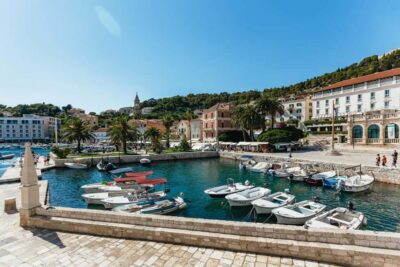 ★ 4.6Split/Trogir: Blue Cave, Mamma Mia, Hvar and 5 Island TourFrom $1096,320 reviews
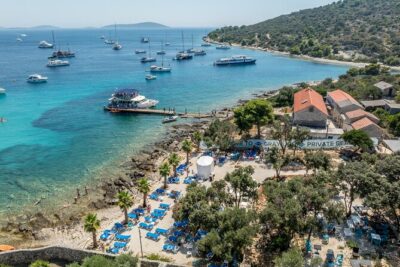 ★ 4.5Blue Lagoon & 3 Islands Cruise with Lunch from SplitFrom $785,756 reviews
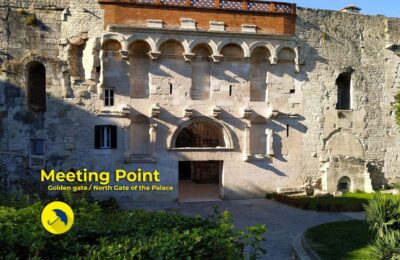 ★ 4.9Old Town and Diocletian Palace Walking TourFrom $174,727 reviews
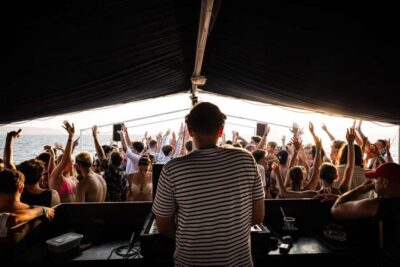 ★ 4.9Blue Lagoon Boat Party with DJs, Shots & After PartyFrom $474,610 reviews
 ★ 5.0Krka Waterfalls Tour, Boat Cruise & SwimmingFrom $324,489 reviews
Explore its other useful categories