
REVIEW · SPLIT CITY & DAY TOURS
Walking Tour Split
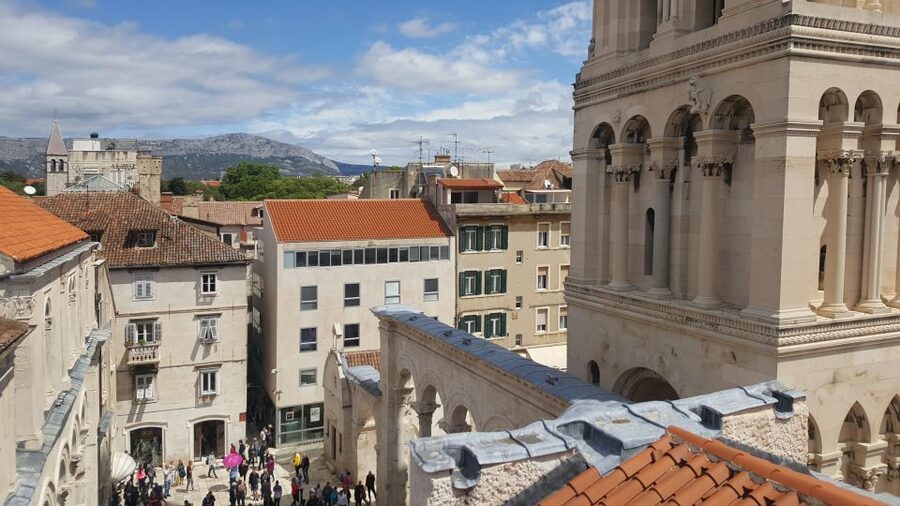
Split’s Old Town works best with a guide. This 1.5-hour walk in Dalmatia shows you how Roman walls became a living neighborhood, moving from Diocletian’s Palace into the city’s main sights with a licensed local.
I like the payoff per minute. You get the big anchors quickly, including Diocletian’s Palace and the Old Town squares like Pjaca and Fruit Square, without feeling lost in the maze. I also like the human factor: the guide makes the place make sense, and guides like Anna and Victoria G stand out for being engaging, organized, and clearly proud of Split.
One drawback to plan for: tickets and entrance fees are not included, so you may pay extra at certain sights.
Key highlights to look for
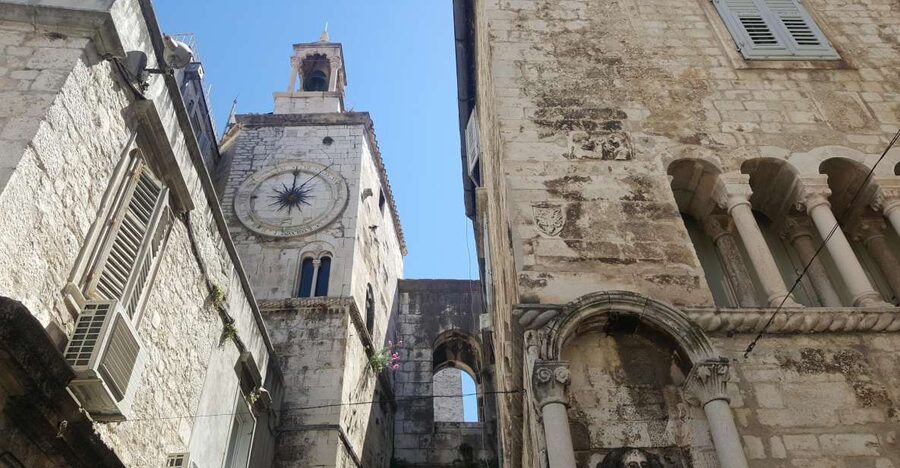
- Diocletian’s Palace on foot: Peristyle, Jupiter’s Temple, Vestibul, Golden Gates
- Split’s landmark mix: Cathedral of St. Duje plus the Grgur Ninski statue
- Fast route, real context: you connect Roman-era architecture to today’s city life
- Local guide storytelling: expect clear explanations and room for questions
- Practical walk of the center: you finish back at the same meeting point
- Good value for 1.5 hours: $28 for a guided circuit of major sights
A 1.5-hour walk that gives Split its bearings
Split can feel like two cities at once: Roman stone, then everyday life packed into it. This walking tour is built for exactly that. In about 90 minutes, you stitch together what you see with what it meant, starting in the historic heart and moving through the key stops most people come to Split for.
The biggest benefit is focus. Instead of bouncing randomly between sights, you follow a guided path that explains how the palace layout shapes the Old Town. That matters because Diocletian’s Palace is not just ruins on a map. It is a real foundation for streets, views, and spaces you can still walk through today.
At $28 per person, it’s not free, but it is priced like an affordable “orientation plus highlights” experience. If you’re short on time or you want your first day in Split to click, this is the kind of tour that saves you the guesswork.
You can also read our reviews of more walking tours in Split
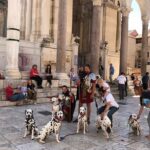
Meeting at the National Theatre and setting off through Old Town
You start at Trg Gaje Bulata 1, right in front of the National Theatre in Split. That’s a convenient anchor because it puts you near the central action and helps you orient fast before you move into the warren of older streets.
From the first stretch, the route makes sense for a walk. You’re not just looking at buildings, you’re learning what to notice as you go: architectural features, the relationship between gates and passageways, and why certain spots are considered essential landmarks.
I also like that the tour ends back at the meeting point. That means you can keep your day simple. After the walk, you can continue on your own from a known location, and you can ask the guide for recommendations for what to do next in the city center.
Inside Diocletian’s Palace: Peristyle, Jupiter’s Temple, and the Golden Gates
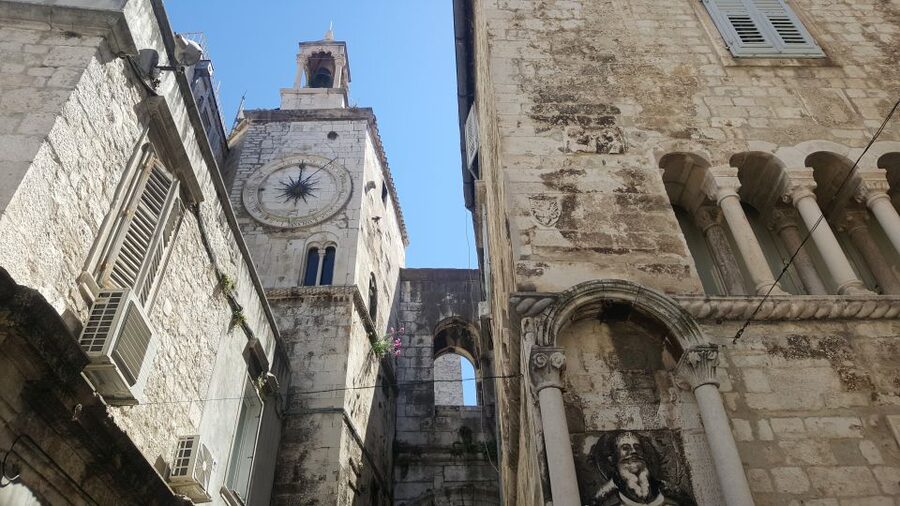
The heart of the tour is the UNESCO-protected Diocletian’s Palace area. Even if you’ve seen photos before, it hits differently when you’re walking through it. Walls you’d assume were solid barriers turn into corridors, courtyards, and dramatic viewpoints.
Here’s what you’ll see and why it matters:
Peristyle, the palace’s central hub
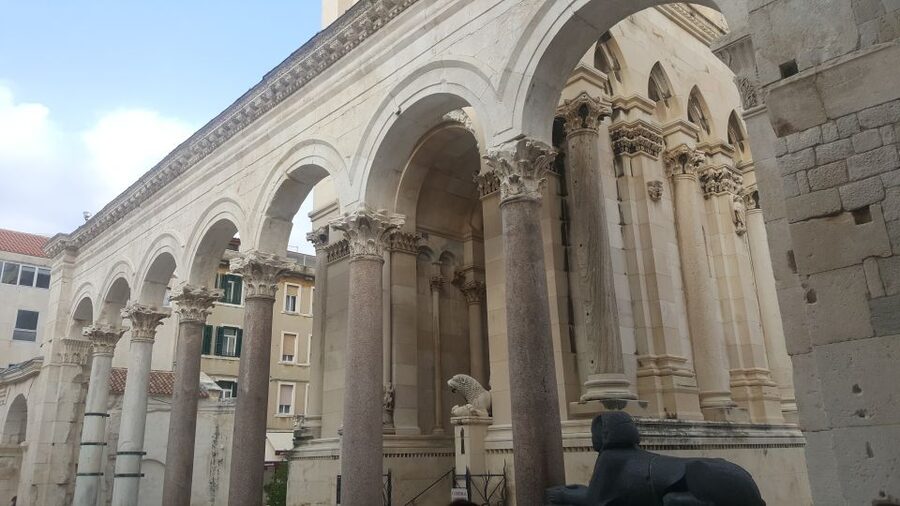
The Peristyle is the palace’s grand public space, and it’s one of those places where the layout instantly clicks. Your guide helps you understand how spaces were designed for movement and authority, not just decoration.
Practical tip: when you reach open areas like this, pause. Don’t rush your photos. The best “aha” moments come when you take in how the space frames everything around it.
Jupiter’s Temple and the Vertical Sense of Power
You’ll also pass Jupiter’s Temple and the Vestibul. These stops are important because they show the palace’s sacred and ceremonial character. Even today, the scale and arrangement make it clear this was not a normal residence.
If you like architecture, this is where a guide earns their fee. Without context, it’s easy to look and move on. With context, you start noticing what the builders were signaling through design.


Golden Gates and the palace threshold
The Golden Gates are another standout. Think of them as the palace’s key entrance feature, the kind of spot that would have mattered for processions and official movement. Seeing them on foot gives you a clearer sense of distance and flow, not just a quick snapshot from the street.
One “consideration”: the palace area has a lot of stone surfaces and uneven transitions. It’s still a walking tour, so wear comfortable shoes and expect some cobbled or worn paths.
Cathedral of St. Duje and Grgur Ninski: where old meets living
Outside the palace spaces, the walk shifts into landmarks that connect Roman-era Split to later layers of identity. This is where Split stops being purely historical and becomes current.
Cathedral of St. Duje
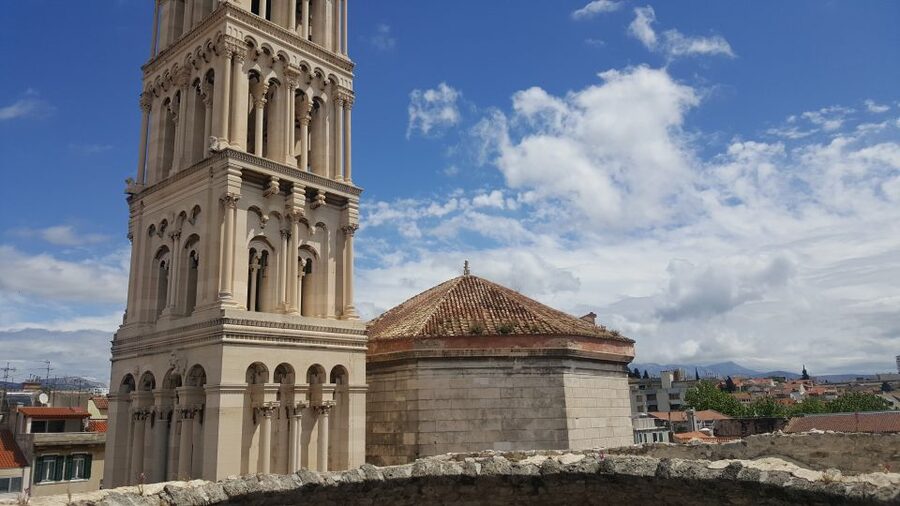
You’ll see the Cathedral of St. Duje (often tied to Split’s long religious identity). What makes this stop valuable on a guided walk is the explanation of why this cathedral matters in the broader city story, not just as a famous façade.
Even if you don’t go inside, standing near it with context helps you understand how Split’s identity evolved over time.
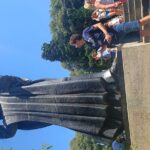
Grgur Ninski statue
The Grgur Ninski statue is one of the best-known public monuments in the Old Town. Your guide’s explanation adds meaning to what might otherwise feel like a quick photo stop. Monuments like this help you read the city as a cultural map, not just a collection of buildings.
Tip for your timing: if you see the statue area getting busy, treat it like a checkpoint. Get your bearings, then move on. You’ll appreciate it more when you’ve already understood the larger route.
Pjaca and Fruit Square: the easy way to finish your sightseeing loop
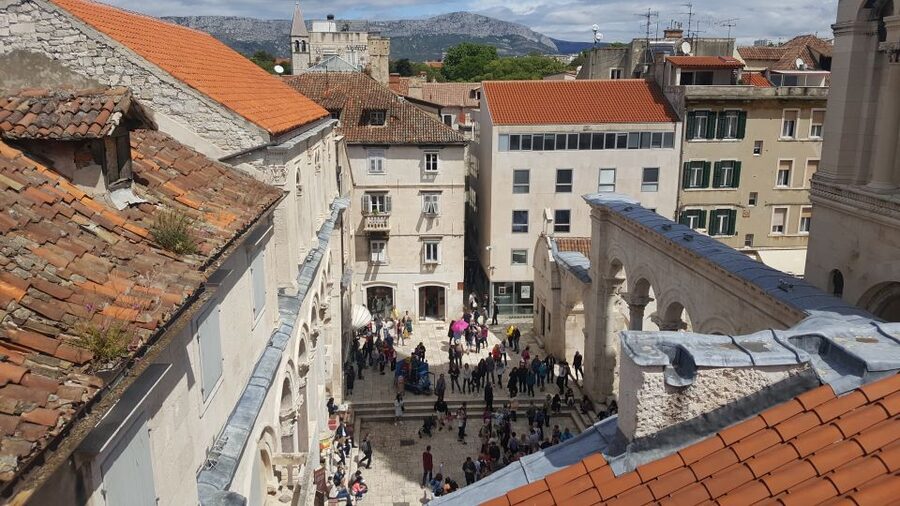
After the big monument hits, the tour moves into the everyday squares people still use. You’ll visit Pjaca and Fruit Square, which are ideal for ending a walking tour because they feel open and human-scale.
Why this matters: when you’ve been walking through tight palace passages and landmark clusters, squares give your brain a reset. They also help you picture how locals experience the city between major sightseeing moments.
Pjaca is especially useful as a “gravity point” in your mental map of Split. Fruit Square adds variety, so the last part of the walk doesn’t feel like more of the same. It’s a smart way to close the loop before you head off to lunch, a coffee, or whatever you plan next.
The guide experience: what makes it better than a self-guided walk
A major reason this tour earns a strong rating is the guide. The best guides don’t just recite dates. They point out what to watch for and how to connect what you’re seeing.
Two names that have been highlighted in different tour experiences are Anna and Victoria G. What stands out about guides in this style is energy plus structure: clear explanations, and a genuine sense that Split is their home, not just a job.
You’ll also have time to ask questions. That’s not a small detail. When you’re standing in front of something confusing, a quick answer can turn frustration into confidence. And because the tour ends back where you started, you’re positioned to take that confidence and plan your remaining hours without scrambling.
One more practical angle: the tour is offered in Spanish and English, with live guidance. If your language matters for comfort, you can choose what fits you best.
Price and value for $28 in central Split
At $28 per person for 1.5 hours, you’re paying for three things: a licensed local, a route that hits major sights efficiently, and context that makes your photos and memories more meaningful.
If you’re comparing this to doing everything on your own, the value isn’t just time saved. It’s the ability to understand what you’re looking at while you’re still in the scene. You avoid the common first-day problem in Split, where you see impressive places but don’t know how they fit together.
Still, plan your budget with a realistic note: tickets and entrance fees are not included. Depending on what you choose to enter on your own after the tour, you might spend extra. This isn’t unusual in Split, but it’s worth keeping in mind so the total doesn’t surprise you.
Who this walking tour suits best
This walk is a strong fit if:
- You want the main Split sights without committing to a full day
- You’re visiting for the first time and want quick orientation
- You prefer learning by walking, not by reading later
- You like Roman-era settings plus living city details
It may be less ideal if:
- You want a lot of free time to linger at each stop without guidance
- You don’t enjoy walking through older stone streets for about 90 minutes
- You want everything fully covered, since entrance fees are not included
One nice bonus for flexibility: in quieter periods, group size can shrink, which often makes it easier to ask questions. That said, group size can vary by day.
Should you book this Split walking tour?
Book it if you want a first-day win in Split: major landmarks, a clear story, and a route that makes Diocletian’s Palace feel understandable instead of overwhelming. The $28 price is reasonable for what you get, especially because you’re not just seeing sights, you’re learning what to notice.
Skip it only if you already know Split’s palace layout well and you’re mainly chasing entrances and long time inside buildings. Otherwise, this is the kind of guided walk that helps you enjoy the rest of the day, not just survive your sightseeing list.
FAQ
How long is the Walking Tour Split?
The tour lasts about 1.5 hours.
Where does the tour start in Split?
Meet in front of the National Theatre in Split, at Trg Gaje Bulata 1, 21000, Split, Croatia.
What sights will we see during the walk?
You’ll see major highlights including Diocletian’s Palace areas and landmarks such as the Cathedral of St. Duje, Peristyle, Jupiter’s Temple, Vestibul, the Golden Gates, Grgur Ninski statue, Pjaca, and Fruit Square.
Is the tour offered in English and Spanish?
Yes, the live tour guide speaks English and Spanish.
What is included in the price?
The tour includes a licensed tour guide, a walking tour around Split city center, and insurance.
Are tickets or entrance fees included?
No. Tickets and entrance fees for sights are not included.
More Walking Tours in Split
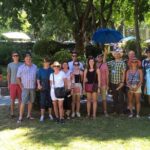

More Tours in Split
More Tour Reviews in Split

Not for you? Here's more nearby things to do in Split we have reviewed




More Split City & Day Tours to consider.
 ★ 4.8Krka Waterfalls Trip with Boat Cruise and SwimmingFrom $3110,519 reviews
 ★ 5.0Krka Waterfalls, Food & Wine Tasting TourFrom $459,326 reviews
★ 4.9Krka Waterfalls, Food & Wine Tasting TourFrom $446,598 reviews
★ 5.0Krka Waterfalls, Food & Wine Tasting TourFrom $459,326 reviews
★ 4.9Krka Waterfalls, Food & Wine Tasting TourFrom $446,598 reviews
 ★ 4.6Split/Trogir: Blue Cave, Mamma Mia, Hvar and 5 Island TourFrom $1096,320 reviews
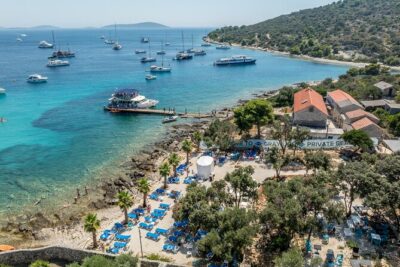 ★ 4.5Blue Lagoon & 3 Islands Cruise with Lunch from SplitFrom $785,756 reviews
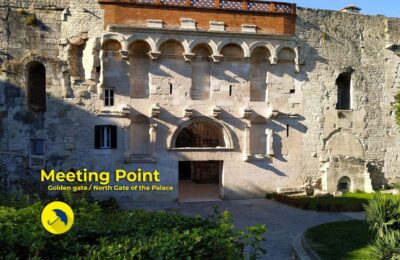 ★ 4.9Old Town and Diocletian Palace Walking TourFrom $174,727 reviews
 ★ 4.9Blue Lagoon Boat Party with DJs, Shots & After PartyFrom $474,610 reviews
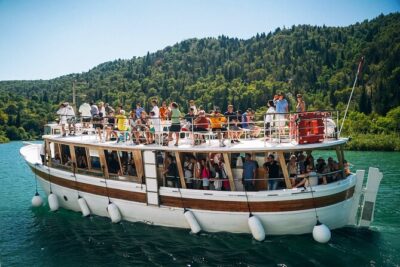 ★ 5.0Krka Waterfalls Tour, Boat Cruise & SwimmingFrom $324,489 reviews
Explore its other useful categories