
REVIEW · SPLIT CITY & DAY TOURS
Split: Food Tasting Walking Tour
A walk through Split’s food scene changes how you see the city. You get guided tastings inside Diocletian’s Palace, plus real stops at the Green Market and Peškarija fish market, not just samples on a sidewalk. I like that the tour mixes flavors with stories, and you also leave with traditional recipes you can actually use. The pace is tight for a hungry foodie, and you may still want to do extra wandering after, since 2 hours goes fast.
One thing to consider: the tastings focus on local specialties, and while the description includes a glass of local wine with Soparnik, not every food stop will feel like a full drink service. If you’re set on wine, come ready for a small tasting moment, not a wine tour.
Quick Hits on This Split Food Tasting Walk
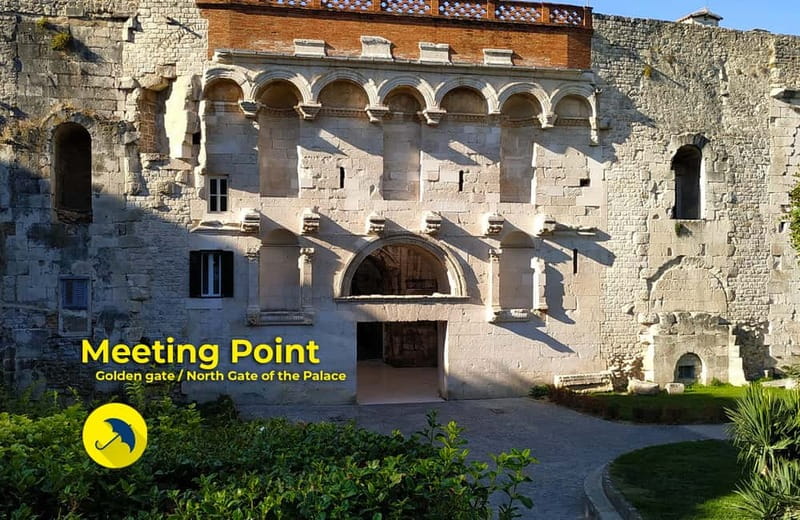
- Golden Gate start under a blue umbrella, so you can find your group quickly
- Diocletian’s Palace and medieval streets folded into the food stops, not tacked on
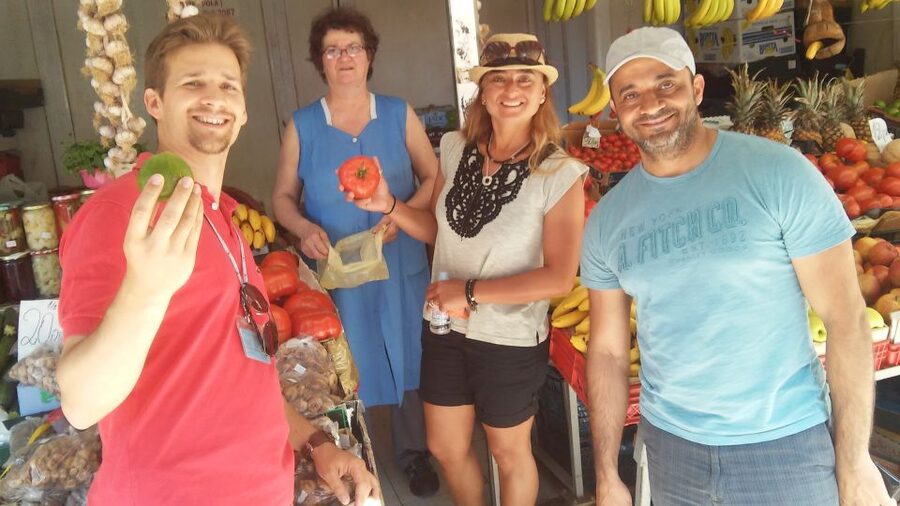
- Pazar tastings like arancini and sugared almonds to set the tone for the day
- Soparnik (UNESCO-protected) paired with a local wine pour
- Peškarija fish market with advice on salted anchovies and the marenda style of eating
- Chocolate Guinness record stop plus rafiol cake at an old bakery
Why Diocletian’s Palace Makes This Tour More Than a Food List
Split can feel like you’re always looking at walls. This tour gives those walls a reason to matter, because the food stops live inside the world of Diocletian’s Palace. You’re not just eating in town, you’re learning why this area became such a food crossroads.
The setting also keeps the tour moving at a satisfying tempo. In about 2 hours, you get that Roman-palace-in-the-real-world feeling, then you shift into medieval Split streets where markets and quick bites are part of daily life.
I also like that the guide role is bigger than handing you food. You’re getting context as you walk, so when you taste something like Soparnik, it connects to local tradition instead of reading like a random menu item.
You can also read our reviews of more walking tours in Split

Meeting at Golden Gate, Then Getting Oriented Fast
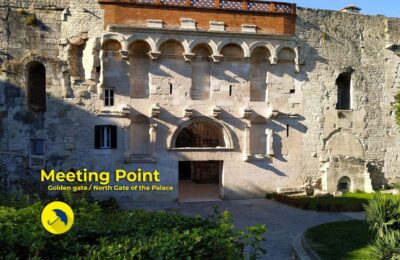
You’ll meet at the Golden or North Gate, near the statue of Gregory of Nin. Look for the blue umbrella and your group will be there.
This matters more than it sounds. Starting at a landmark edge of the palace area helps you learn the map of Split while you’re already warmed up with snacks. You also end back at the same meeting point, which makes it easier to plan your afternoon.
The tour runs in English and is described as private or small groups. That format tends to work well for food tours because you can ask questions without the whole group getting stuck behind you.
Green Market Pazar Tastings: Arancini, Sugared Almonds, and Street Breakfast Energy
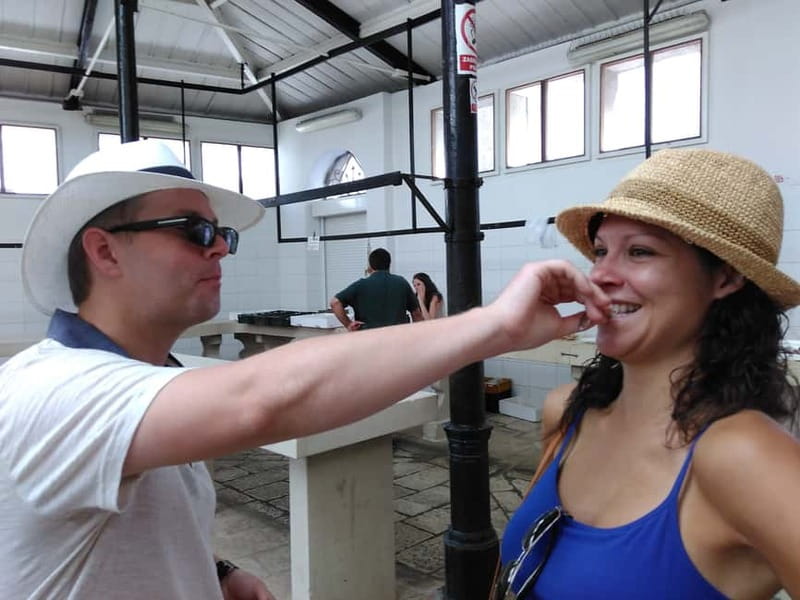
The first food moment comes early, with a short stop at a local café for about 15 minutes of tastings. The idea is simple: fuel up before market time.
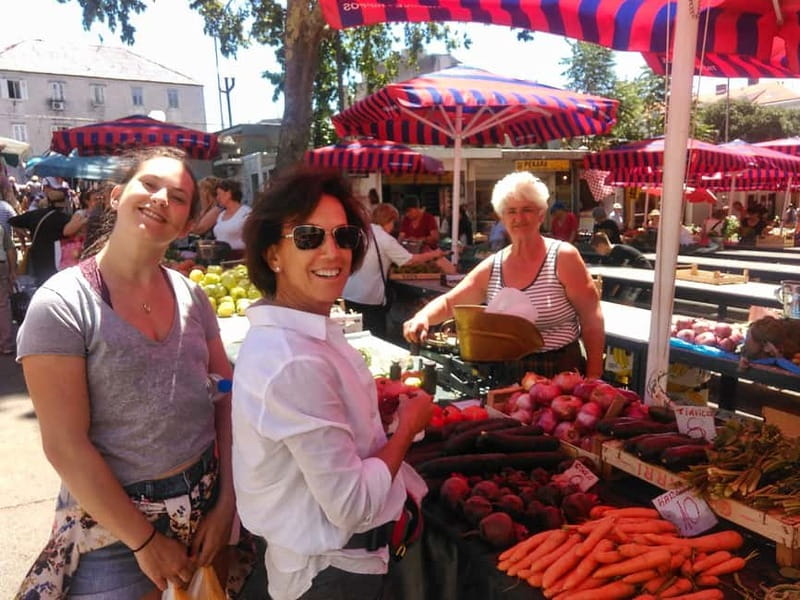
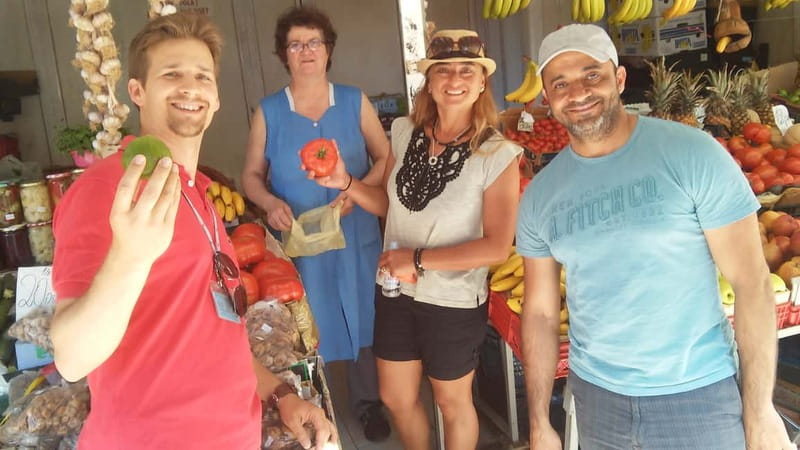
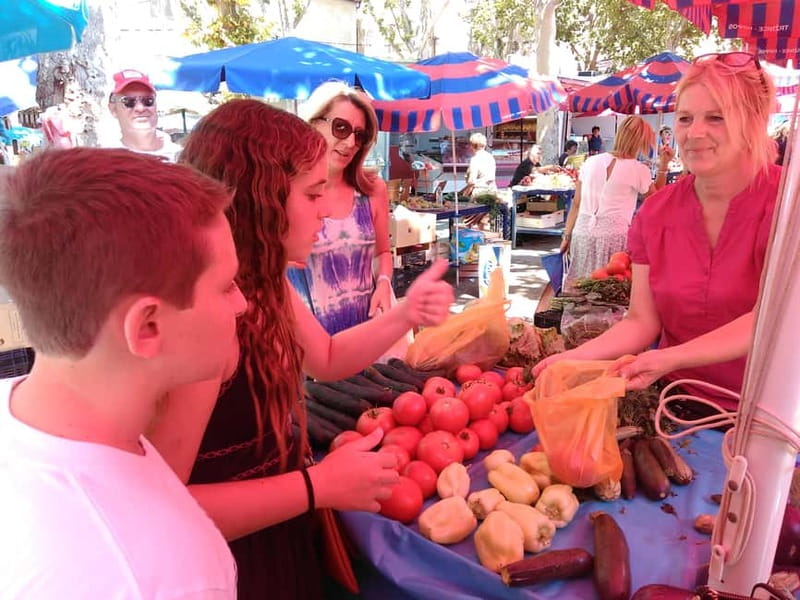
Then you move to the Old Market area, the Pazar (Green Market), for roughly 30 minutes. This is where the tour leans into classic Dalmatian snack logic: quick, portable, and built for walking. One of the signature starts is arancini, plus sweet elements like almonds in sugar to sweeten your morning.
A few other tasting directions show up in the tour experience, including nuts and candied citrus peel like lemon or orange. Even if you don’t recognize every ingredient, you’ll get the point: people here snack differently than in Northern Europe. The flavors are straightforward, but the balance is smart.
Practical note: market stops can be warm and busy. Bring sunglasses and a hat, and wear shoes you can handle on uneven stone.
Soparnik With Local Wine, Plus Prosciutto in Medieval Streets
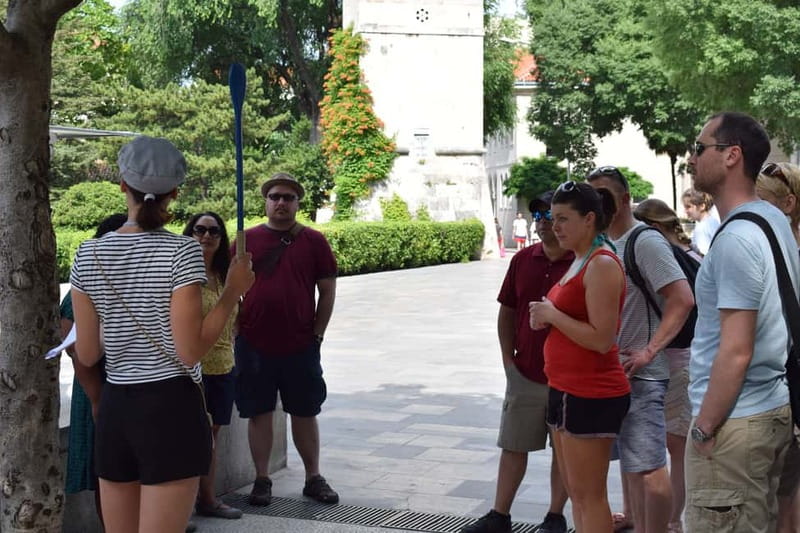
After the Green Market, the tour transitions from crunchy sweets to savory plates. The walk through ancient streets is part of the payoff. You’re hearing local stories while moving through the palace and medieval lanes, so you’re not stuck in a single place waiting for food.
The tour description includes Soparnik with a glass of local wine. Soparnik is described as a unique dish protected by UNESCO, which is a good clue that this isn’t just another flatbread. It’s tied to place and tradition, and you’ll understand that better once the guide explains how locals think about it.
Next comes a classic salt-and-fat moment: traditionally made prosciutto. This kind of stop is useful because it teaches you how Dalmatian meals can be built around simple ingredients that taste great without heavy sauces.
If you tend to skip savory tastings because you’re worried they’ll be heavy, don’t. The point here is flavor variety, not one massive course.
Chocolate Shop With a Guinness Record, Then Rafiol Cake at an Old Bakery
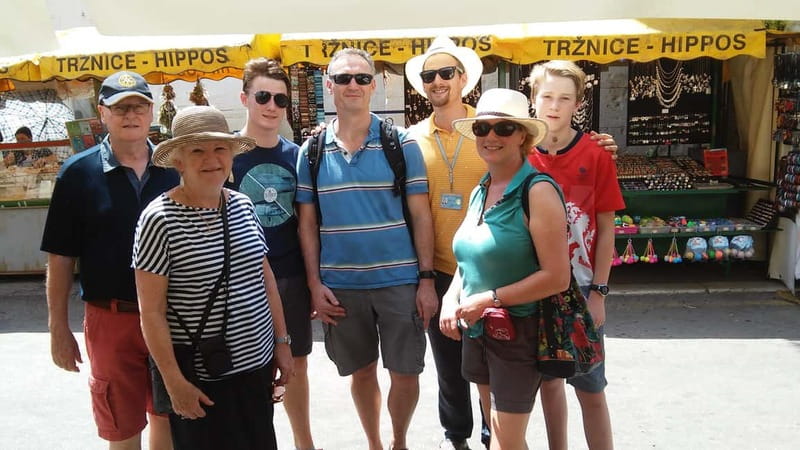
Yes, you’ll have chocolate time. One of the stops is a chocolate shop famous for a Guinness record for the largest chocolate bar in the world. Even if you don’t care about records, the stop works because it gives you a break from salt and pastry, and it’s a fun cultural marker in a city where local shops are part of the show.
After chocolate, the tour moves toward something you can treat like a Split souvenir you can eat on the spot: rafiol cake at an old bakery. The point of including a specific bakery and a known local cake is that you’re getting a tradition with a real name, not just a generic pastry.
From a practical standpoint, this stage of the tour helps you keep your energy up for the final market visit. By the time you reach the fish portion, you’ll need that sugar boost and the guided pacing will help you avoid the letdown you get on some food tours when the best part comes last and you’re already tired.
You can also read our reviews of more food & drink experiences in Split
Peškarija Fish Market: Anchovies, Benches, and the Idea of Marenda
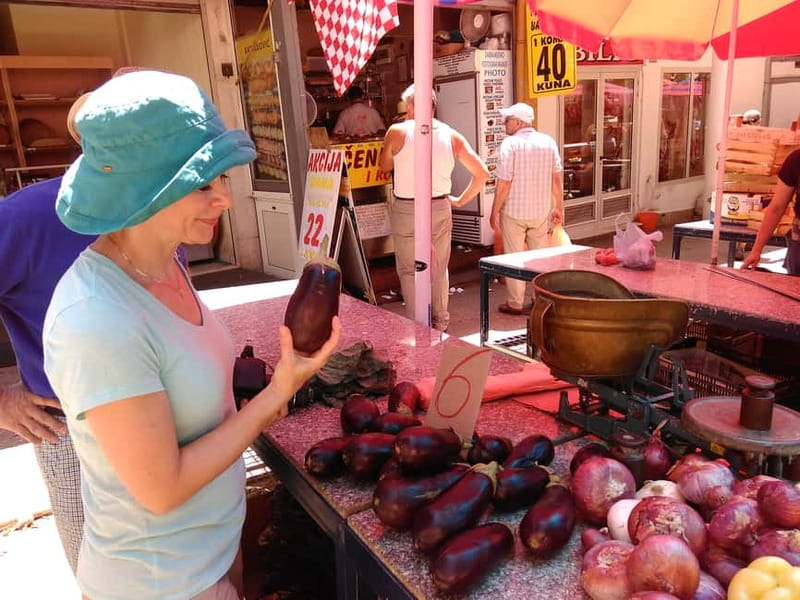
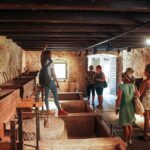
This is the heart beat for seafood lovers. You’ll visit the fish market called Peškarija, described as the second oldest in Europe. The original benches are more than 120 years old, which is one of those details that turns a photo stop into something more human.
You spend about 30 minutes here, which is enough time to look around and actually learn something, not just grab a bite and move on.
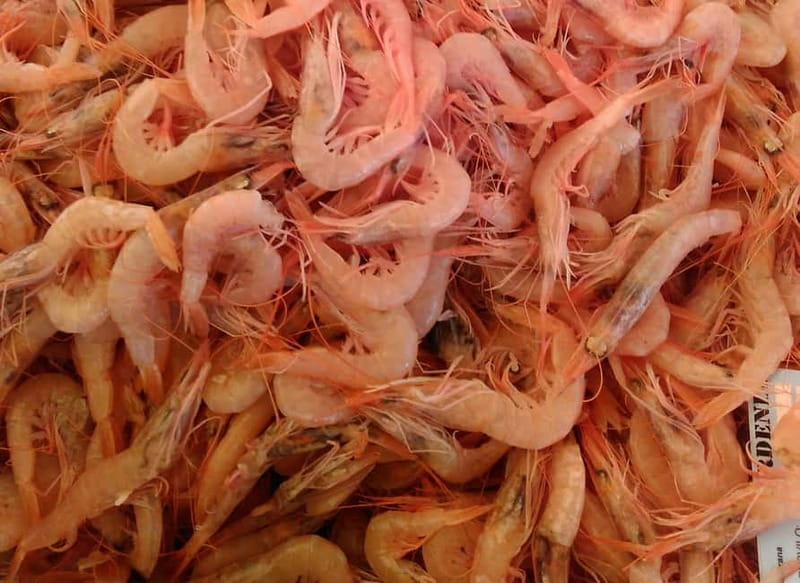
Salted anchovies are a key focus. You’ll learn how to eat them the local way, and the tour connects that to marenda, which is described as Dalmatian brunch. This is valuable because marenda is more than a word. It’s a way of understanding daily life in coastal cities, where people treat food as part of the rhythm of the day, not as a single scheduled event.
Also, fish markets teach you how locals shop. You see what gets valued in real time: freshness, seasonality, and the confidence to buy something simple because everyone knows how to eat it.
If you’re not a seafood person, don’t automatically panic. Even just watching and tasting one style of salted anchovies with guidance can help you see why locals keep returning to this place.
Final Tastings at a Local Bar and Restaurant Stop
After the fish market, the tour keeps the energy up with shorter food moments. You have another local bar tasting for about 15 minutes, then a final local restaurant tasting also for about 15 minutes, before you return to the Golden Gate.
Those final stops matter because they help you understand that Dalmatian food is not a single market snack style. It also shows up in settings where people settle down for conversation and ordering.
Also, by this point you’ve built a flavor map in your head. You started with green-market sweetness and local flatbread logic, got salty prosciutto and chocolate, then returned to the sea. The last tastings should feel like the tour tying the day together.
What the Traditional Recipes Are For (And How to Use Them)
Food tours can be fun and forgettable if they only give you tasting and no follow-up. This one includes traditional recipes, which changes how useful it is after the walk is over.
Here’s how I’d use them. Pick one dish you genuinely enjoyed, not the one you thought you should like. Then use the recipe as a starting point for a home version, with substitutions based on what you can find locally. The recipes are a shortcut to understanding technique and flavor direction, even if you cannot get the exact same ingredients.
If you like cooking, recipes also help you remember the tour. You’ll recall what the guide said about why people eat these foods in certain moments, like marenda style for seafood.
Price and Value: What $51 Buys in Split
At $51 per person for about 2 hours, this is priced like a focused guided tasting experience. You’re paying for a guide, access to multiple food locations, and a structured set of tastings across different categories: market bites, savory local dishes, chocolate and cake, plus the seafood lesson in Peškarija.
Here’s why it can feel like good value. You’re not just buying food, you’re buying interpretation. A guide helps you taste with context, so you get more than a snack. And you get a set of suggestions you can use immediately when you want to eat again after the tour.
One budget note: extra expenses at the markets are listed as optional. That means your tour tastings are included, but you might still want to buy something you tasted, especially market snacks.
If you’re the type who tends to overspend after food tours because you want to recreate everything, set a small limit for souvenirs. It keeps the trip fun without turning your second day into a “why did I buy three boxes” story.
Timing, Pacing, and What to Bring for the 2-Hour Run
The tour runs about 2 hours, and starting times vary by availability. In practice, 2 hours is enough to get a real sample of Split flavors, but it’s still short enough that you should not plan a second long activity immediately right after.
What to bring is straightforward and worth following:
- Comfortable shoes, because you’re walking historic stone streets
- Sunglasses and a sun hat, because outside time matters here
- A curious appetite, because some flavors will be new and that’s the point
If you have dietary limits, you might want to reach out before booking, because the tour description emphasizes classic Dalmatian foods. The data you have doesn’t spell out substitutions, so don’t assume they can swap everything.
Who This Tour Suits Best, and Who Might Skip It
This tour fits best if you want three things at once: history context, market energy, and a guided tasting path through Split’s most famous food stops.
You’ll likely love it if:
- You enjoy wandering with structure
- You want to try multiple local dishes in one go
- You like learning what people actually eat and when, not just collecting restaurant names
It’s not a great match if you need wheelchair accessibility, since the tour is noted as not accessible for wheelchair users. It also says unaccompanied minors are not allowed, and children must be accompanied by an adult.
If you prefer restaurants where you sit down for a long meal, this may feel snack-heavy. But for many people, that’s exactly why it works. It’s a walk, a story, and food that keeps pace with the city.
Should You Book This Split Food Tasting Walking Tour?
I’d book it if you want a smart first move in Split. The tour gives you a map of where to eat, what to look for in markets, and what to ask for when you return on your own. You’ll also leave with recipes, which turns the tour into something you can replay later.
Skip it if you already have your dining plan locked and you hate walking short distances between food stops. Also consider whether you want seafood focus. Peškarija and anchovies are a big part of the experience, so it’s a win if you like that vibe.
Bottom line: for $51 and about 2 hours, you’re getting a guided food education inside Diocletian’s Palace, plus market visits that are hard to replicate alone.
FAQ
Where does the tour meet in Split?
You meet at the Golden or North Gate, near the statue of Gregory of Nin. Look for the blue umbrella.
How long is the Split Food Tasting Walking Tour?
The tour is about 2 hours.
What kind of guide language is offered?
The tour is offered in English, with a live tour guide.
What food tastings are included?
Food tastings are included. The tour includes stops at the Green Market and Fish Market, plus tastings at a chocolate shop and an old bakery, and additional tastings at a bar and a local restaurant.
Is wine included?
The tour description says you have a glass of local wine with Soparnik.
Is the tour wheelchair accessible?
No. The tour is not accessible for wheelchair users.
What should I bring, and are there optional extra costs?
Bring comfortable shoes, sunglasses, and a sun hat. Extra expenses at the markets are optional.
More Walking Tours in Split

More Tours in Split
More Tour Reviews in Split

Not for you? Here's more nearby things to do in Split we have reviewed




More Split City & Day Tours to consider.
 ★ 4.8Krka Waterfalls Trip with Boat Cruise and SwimmingFrom $3110,519 reviews
 ★ 5.0Krka Waterfalls, Food & Wine Tasting TourFrom $459,326 reviews
★ 4.9Krka Waterfalls, Food & Wine Tasting TourFrom $446,598 reviews
★ 5.0Krka Waterfalls, Food & Wine Tasting TourFrom $459,326 reviews
★ 4.9Krka Waterfalls, Food & Wine Tasting TourFrom $446,598 reviews
 ★ 4.6Split/Trogir: Blue Cave, Mamma Mia, Hvar and 5 Island TourFrom $1096,320 reviews
 ★ 4.5Blue Lagoon & 3 Islands Cruise with Lunch from SplitFrom $785,756 reviews
 ★ 4.9Old Town and Diocletian Palace Walking TourFrom $174,727 reviews
 ★ 4.9Blue Lagoon Boat Party with DJs, Shots & After PartyFrom $474,610 reviews
 ★ 5.0Krka Waterfalls Tour, Boat Cruise & SwimmingFrom $324,489 reviews
Explore its other useful categories