
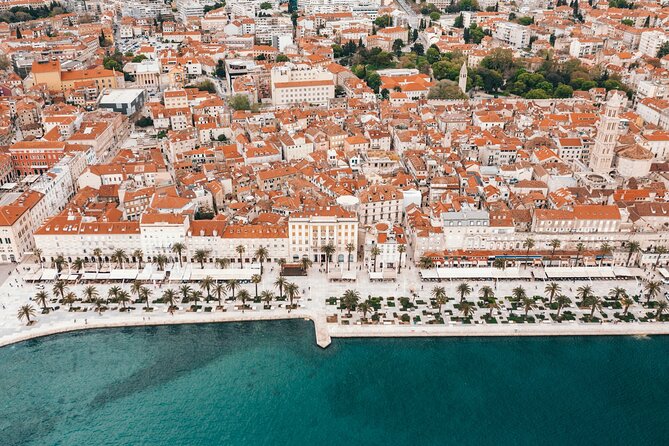
REVIEW · SPLIT CITY & DAY TOURS
Semi-Private Balkans Tour; Split to Athens or Corfu in 14 Days
Seven countries, one road trip, low stress. This semi-private Balkans tour covers major UNESCO sites across Croatia, Bosnia, Montenegro, Albania, Kosovo, North Macedonia, and Greece, with private transportation and a real guide leading the key moments. You start with an early pickup in Split and keep your logistics handled, so you spend energy on places, not planning.
I especially like the organization here, from hotel pickup to site timing to the end transfer (either Athens or the Igoumenitsa port ferry to Corfu). And I like the way the days mix top sights with everyday local culture, like breakfast with byrek in Tirana and the chance to taste Albanian coffee and raki during the food stops.
One possible drawback: the route is packed, with lots of walking on uneven streets and cobblestones. Also, the trip’s description mentions a hiking-style experience in northern Albania, but the 14-day program you provided is mainly city, monastery, and viewpoint walking. So if you are chasing that specific mountain hike, double-check before you book.
Key takeaways before you commit
- Small group comfort: maximum of 10 travelers, so the pace stays human and questions get answered.
- Hotel pickup and drop-off: you do not have to figure out how to get from one country to the next.
- Guide-led UNESCO walking: you get context at the places that can otherwise feel like photo stops.
- Local food moments in Tirana: byrek, Albanian coffee, Qofte, and raki are built into the plan.
- Cultural stops beyond the famous names: BUNKART 2, Monastery of Decan, St Naum, and the stone towns of Berat and Gjirokaster.
- Two ending options: transfer to Athens, or to Corfu by ferry from Igoumenitsa (ferry tickets included).
The route: Split to Athens or Corfu, then the Balkans unfold
This is a long-form Balkan road tour that starts in Split, Croatia and finishes in one of two ways. You either get transferred toward Athens, or you continue to Igoumenitsa Port for the ferry to Corfu. Both endings are included in the tour plan, so you do not have to make a last-minute travel puzzle piece.
What makes this route feel different from a standard “highlight reel” is how many distinct regions it strings together without fully burning you out on logistics. You hit the big names like Mostar and Sarajevo, but you also spend time in places like Ohrid, Berat, and Gjirokaster, where the details are in the streets, stone houses, and old fortifications.
You can also read our reviews of more private tours in Split
Why the semi-private setup is the real value
With a maximum of 10 travelers, this tour usually feels steadier than big-bus group travel. You get a professional tour leader who is moving people between sites, but you also get the space to actually hear the story. That matters at places like Sarajevo, where the city details (war reminders, Ottoman and Austro-Hungarian neighborhoods, and the WWI connection at Latin Bridge) can be easy to miss if you are just rushing.
Another “quiet” value is the private transport and pickup. You do not need to coordinate taxis, find meeting points, or worry about how to get from your hotel to the next border segment. The plan starts at 7:30 am with pickup in Split, and from there it stays structured.
The first big hit: Split, Mostar, and Blagaj’s cliffside calm
Your day starts with pickup in Split at 7:30 am. After you meet your tour leader across the border, the schedule steers straight into the Bosnia and Herzegovina highlights.
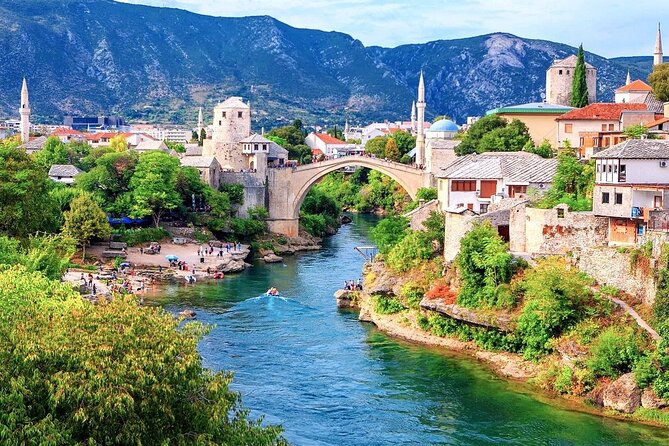
Mostar is the emotional launch. You visit Stari Most, the Old Bridge, a UNESCO site built in the 16th century with that classic Islamic architectural feel. The bridge is the postcard moment, but the tour also takes you through the Old Bazaar with its tight cobbled lanes and older mosques. One detail worth noting is the “Don’t Forget” stones around town, which add a serious historical layer to what could otherwise be only sightseeing.
Then you get Blagaj, a short ride outside Mostar with a completely different mood. The Blagaj tekija sits by the spring of the river Buna, set against a cliff with striking blue water in front. It is the kind of stop that slows your pace without forcing a long hike, so it works even on days where you will later walk plenty.
Consideration: old towns mean uneven ground. Bring shoes you trust on cobbles, not just for comfort but for balance in historic alleys.
Sarajevo: where the city teaches through details
From Mostar, you drive to Sarajevo, the capital of Bosnia and Herzegovina. This is not a “drive-by” day. You walk on uneven terrain while seeing ruin reminders and war scars around town, including visible bullet holes and cannon marks. It is heavy subject matter, but the tour frames it as part of Sarajevo’s layered identity rather than shock value.
You explore Ottoman and Austria-Hungarian parts of the city. The tour also leans into Sarajevo’s reputation as a place where multiple communities and religions exist side by side, with bazaars, mosques, churches, and synagogues in the same walking radius.
Latin Bridge is the historical anchor. You stop at the bridge connected to the WWI trigger story, and the tour explains why the bridge earned the name tied to the Catholic quarter.
You also get a stretch of free time in the old town. That is practical here: Sarajevo has strong food culture, and having time to grab a meal without rushing makes a big difference.
Montenegro starts with Kotor’s maze and ends with Budva’s old town
Kotor is one of those UNESCO towns where the streets feel intentionally confusing. The tour explains why the street plan looks chaotic: it was designed to confuse intruders. Walking there becomes a living example of how defense shaped everyday urban design.
You visit Saint Luke’s church, which locals connect to unity. After that, you get free afternoon time to explore Kotor and the surrounding area on your own. Overnight is near the Montenegrin Riviera, which helps you rest after a day built on cobblestone walking.
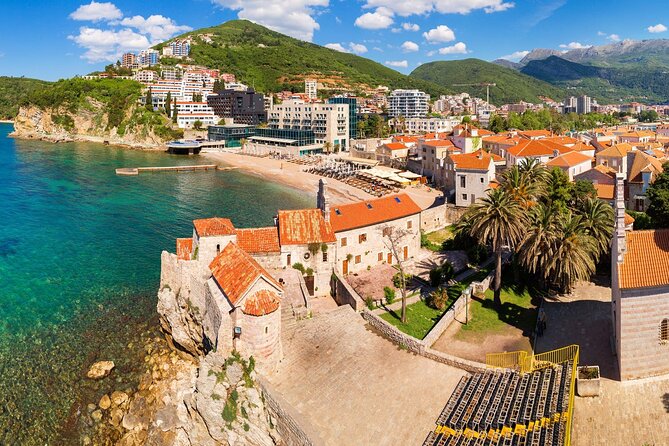
Then comes Budva, separated into Old Budva and New Budva. The old section is where you get churches and medieval urban structure, including St. Ivan church and the small church of St. Mary. The contrast is useful, because you see how modern Montenegro developed while older cores remained.
Sveti Stefan is a photo-worthy pause on the way toward Albania. You get a view point stop, but the island itself cannot be visited because it is now an exclusive residential resort. If you are a rule-follower, you’ll appreciate the honesty in that. You still get the best “from here you can see why people want it” angle without wasting time hoping for an on-island detour.
Albania begins with Rozafa and keeps its story in stone
Once you cross into Albania, the tour leans into castles and vantage points.
You visit Rozafa Castle, known for big views over the lake and the three rivers where they meet the Adriatic. This is a stop that pairs well with the road-travel rhythm. You get a dramatic look that makes the long drives feel worth it.
You also reach Shkoder, a historically deep city in northwest Albania. The plan includes context about very old fortification walls, including that the oldest wall of Shkodra castle dates back to the 1st millennium BCE. It also notes Venetian influence on architecture, which helps you read what you are looking at instead of treating the buildings like decoration.
If you like places where the history is physical, this is the stretch where Albania starts to feel personal fast.
Slow food at Mrizi i Zanave, then Kosovo’s Prizren and beyond
One of the best “value per hour” stops is Mrizi i Zanave in the slow food world. You tour the farm and learn how it created jobs for more than 400 people in surrounding areas. You also see how the farm collects, processes, and preserves regional organic products.
Practical bonus: you get free time to enjoy traditional lunch or buy local produce. That matters because lunches are otherwise not included on this tour, so having at least one planned place where you can eat without hunting is genuinely helpful.
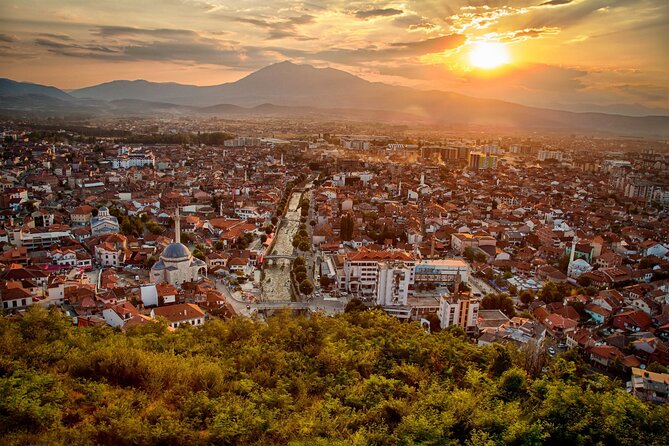
Then you head toward Prizren, often called the cultural capital of Kosovo. The tour frames it through religious tolerance, architecture, and natural setting. The river flowing through the old town and under bridges becomes a key part of how the city works, not just how it looks.
You visit the Sinan Pasha Mosque, highlighted for its arabesque color patterns. Then you reach the fortress area for a hilltop panorama with wide views over the city.
From there, the tour continues toward Gjakova, where the bazaar is described as the oldest and largest in Kosovo. The tour also notes how it was destroyed during wars and rebuilt back to its former state, which gives the shopping and craft browsing a deeper meaning.
You finish this segment with the Monastery of Decan, the UNESCO-listed site known for frescoes. A detail I like here is that Orthodox monks still inhabit the monastery and produce organic food, including cheeses. That makes the stop feel lived-in rather than museum-only.
Then you drive through Rahovec in the viticulture zone. You get context about grapes grown since Illyrian times and the altitude range that supports wine production. A wine festival takes place annually every September, so if your dates align, you might catch extra energy in town.
Kruje and Tirana: fortresses plus food and coffee culture
Kruje is where the tour turns into a resistance and fortress story. The schedule highlights Kruje as a symbol of Albanian resistance against Ottoman expansion. It sits on a rocky mountainous terrain, so the setting matches the theme.
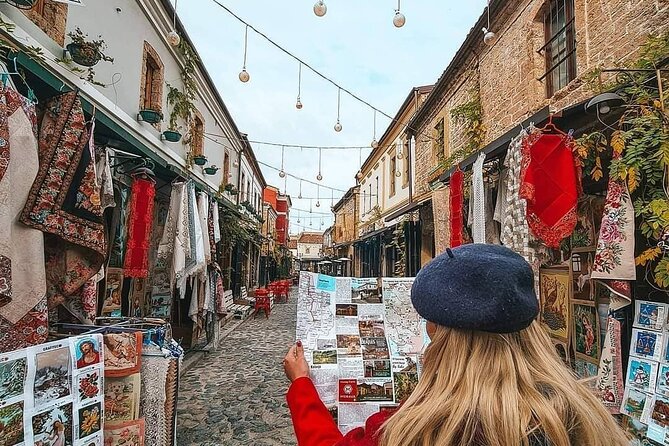
You walk through the Medieval Old Bazaar and wooden houses. It is also a good place to shop for souvenirs, including carpets and handmade items like jewelry. After that, you visit the castle area and the hidden paths concept, where locals used routes to leave unnoticed during sieges.
Then you roll into Tirana, Albania’s capital, and the tone shifts more toward daily life.
You start with a food-focused approach. There is a planned local place to try byrek and eat breakfast like locals. After that, you go to Çam bazaar, founded by the Çam community. The tour connects this to origins in Çameria in present-day northwestern Greece. It is a short cultural detour that helps you see Tirana as shaped by people, not just by modern development.
You also get time to skip past tourist traps with a local companion and explore local neighborhoods. The food theme continues with a traditional dessert at an authentic pastry, and then you move into Albania’s coffee culture with Albanian coffee. You even get a stop at the New Bazaar area for lunch: Qofte grilled meatballs with freshly baked bread, with a vegetarian bread option served with Albanian Gjize (cottage cheese). Then you taste Albanian raki as part of the meal.
Finally, BUNKART 2 is a strong bookend. The tour explains how a bunker designed to shelter Enver Hoxha and party members sat hidden until 2014, and then opened as a video museum about the communist era and daily life under that regime.
Consideration: This day includes multiple short stops and walking in city streets. If you do not like crowds, go slow, and pick one or two stops to linger at. The tour gives you a schedule, but you control your pace during free moments.
Ohrid and St Naum: lake time that still feels structured
After Kosovo, you cross into North Macedonia with Struga as a first stop. You get a quick drink near the source area of the Drini River. It is brief, but it helps the day feel like more than moving toward the next border.
Then it is Ohrid, UNESCO-listed since 1980. You learn that the area has one of the oldest human settlements in Europe and that Ohrid and Ohrid Lake are connected to Illyrian history. The Romans naming the lake Lyhnidas is a fun detail because it shows how the story changes names as empires change.
In Ohrid, you visit the viewpoint area of church of St. John, the church of St. Nicolas, and the mosque Halveti Hayati Tekke. The tour also frames Ohrid as an Orthodox center during the Byzantine Empire, which helps connect the religious sites without turning it into random “spot visiting.”
Then you head to St Naum, right at the source of the Crni Drim river. The monastery sits in the National Park Galicica, in a strictly protected area. The tour emphasizes the crystal clear water and how it reflects greenery and distant peaks.
You also stop at Tushemisht and Driloni National Park. Driloni is described as a set of spring waters that form a small lake, with weeping willows along the shoreline creating a calm place to reset.
Berat and Gjirokaster: 1001 windows and a stone-city feel
This is one of the most rewarding parts of the trip if you enjoy architecture that has not been simplified for tourists.
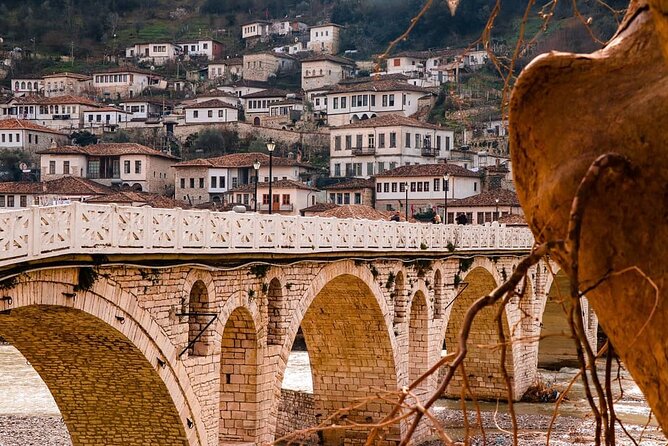
Berat is known as the town of 1001 windows and is UNESCO-listed. You walk narrowed stone streets where the medieval houses stack so closely that windows appear to sit on top of each other. The tour notes that residents still live inside the castle walls, which matters because you are seeing a living neighborhood, not only a preserved set.
You visit Berat Castle, plus the National Iconographic Museum Onufri, named as the painter Onufri’s birthplace. The tour highlights that Onufri’s reddish color is still hard to imitate. That kind of detail makes museum time feel more grounded.
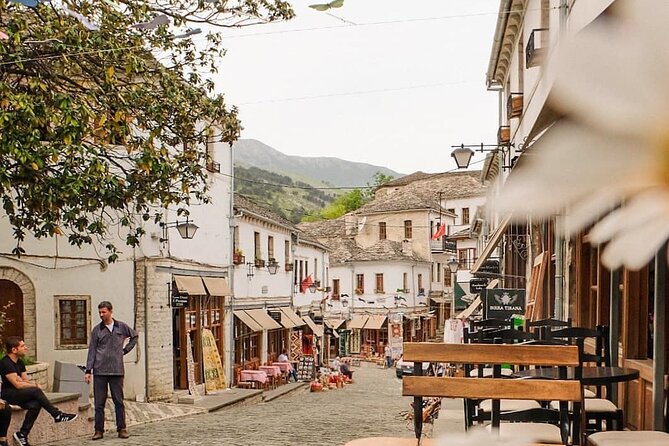
Then you continue to Gjirokaster, described as the Stone City, also UNESCO-listed. The tour explains why every house feels like a fortress, since the town is built with defensive logic in mind. You visit the castle and see it as one of the best-preserved medieval towns in the Balkans. There is also a note that every five years, Gjirokaster becomes the capital of Albanian folklore and traditional music, which signals the cultural rhythm beyond just buildings.
The tour includes Gjirokastra Bazaar, plus a visit to one of the best-preserved houses where the contents are original and authentic.
Ioannina and Meteora: finishing Greece with sunset energy
On the final sightseeing day, you reach Ioannina in Greece. The tour focuses on Byzantine and Ottoman-era architecture, with old walls and charming houses in the old town. You explore cobbled streets and then visit Ioannina Castle, dated to the Byzantine era. Inside the castle walls, you walk narrow streets with historic buildings and stop for time around local cafes and Greek food.
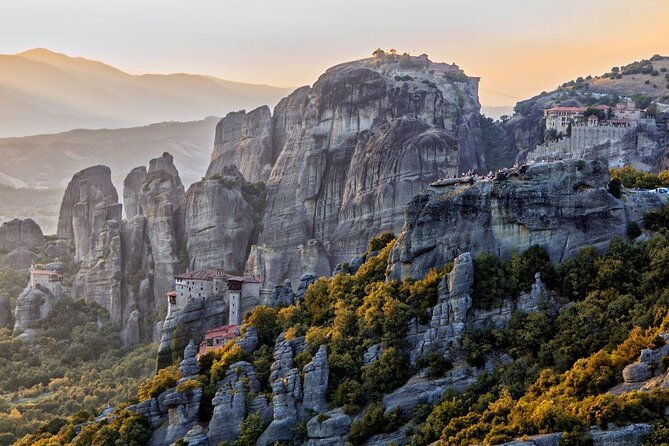
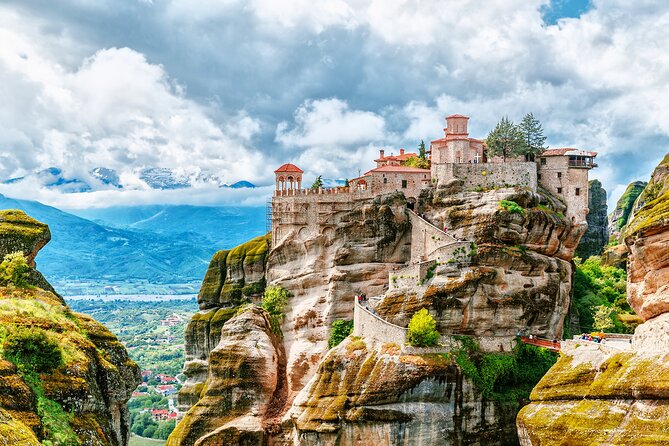
Then you drive to Meteora, UNESCO-listed monasteries built in the 14th to 15th century on dramatic rock formations. The big moment here is the sunset. The tour promises one of the best sunsets you might ever experience, and with Meteora, it makes sense why. The rocks turn lighting into something theatrical, even when the monasteries themselves are quiet.
Price and what you really get for $5,153.85 per person
At $5,153.85 per person, you are paying for more than a bus tour.
This price includes:
- 3-star hotels with breakfast (breakfast is included for 13 days)
- Private transportation
- A professional tour leader
- Hotel pickup in Split
- Hotel drop-off in Athens, or Igoumenitsa port drop-off with ferry tickets to Corfu
- Admission tickets for the sites that are listed as included
- Tourist taxes, road taxes, petrol, and international car insurance
It does not include lunches and dinners, drinks, snacks, and personal spending. Since those add up, I suggest budgeting for meals each day and carrying a card plus some cash.
Also, the tour price is calculated based on double, twin, triple, or quadruple occupancy in 3-star hotels. If you are booking as a single traveler, your final price could shift depending on room availability, so confirm what room type you are actually getting.
Practical tips: pace, walking, and how to pack smartly
This tour moves through old city centers with lots of cobblestones and uneven terrain. Sarajevo includes uneven ground and wartime scarred areas, and most UNESCO old towns involve narrow lanes where comfort shoes matter.
Bring:
- Comfortable walking shoes with grip
- A lightweight layer for early morning starts
- Sun protection, since outdoor viewpoints are a big part of the plan
- A small day bag for water and a snack between included stops
Tipping is not mandatory, but the tour recommends tipping the tour leader and driver as good service is always recognized in practice. If you plan to tip, do it at the end of the tour when you can reflect on the full experience.
Finally, the schedule can be affected by weather or site closures, so keep your flexibility mindset strong.
Should you book this Split-to-Balkans tour?
Book it if you want a structured, guide-led Balkan sampler that covers a lot of UNESCO sites without making you do the planning math. The semi-private size and private transportation are the real “stress reducers,” and the mix of fortress towns, monasteries, and real food stops in Tirana helps the days stay interesting instead of only checklist sightseeing.
Skip or investigate first if:
- You specifically want a mountain hiking program like the description mentions, because the 14-day plan you provided is more road travel plus walking in historic towns.
- You strongly prefer long stretches of free time, since the route is built around scheduled guided stops and included admissions.
- You are sensitive to early starts and cobblestone walking.
If you are okay with that, you should feel in good hands. Reviews consistently point to smooth logistics, a guide who stays communicative and upbeat, comfortable vehicles, and accommodations that meet expectations for a 3-star level.
FAQ
Is this tour really semi-private?
The maximum group size is 10 travelers, and it is described as semi-private.
Where does the tour start and when?
It starts in Split, Croatia, with pickup at 7:30 am.
Where does the tour end?
You will be transferred either to Athens or to Igoumenitsa Port, where you take the ferry to Corfu (ferry tickets included).
What’s included in the price?
Inclusions include 3-star hotel accommodation with breakfast, private transportation, a professional tour leader, hotel pickup and drop-off, entry tickets for visited sites, tourist taxes, road taxes, petrol, international car insurance, and ferry tickets to Corfu if you choose that ending.
Are meals like lunch and dinner included?
No. Lunches, dinners, drinks, and snacks are not included. Breakfast is included for 13 days.
What kind of hotel accommodation should I expect?
The tour includes BB in 3-star hotels for all overnights.
Can most people participate?
The information says most travelers can participate, but you should expect walking in old towns and uneven terrain at some stops.
Is tipping required?
Tipping is not a must, but it is recommended to tip the tour leader and driver for good service.
Can I change or cancel after booking?
This experience is non-refundable and cannot be changed for any reason. If you cancel, the amount you paid is not refunded.
More Private Tours in Split
More Tours in Split
More Tour Reviews in Split
Not for you? Here's more nearby things to do in Split we have reviewed
More Split City & Day Tours to consider.
 ★ 4.8Krka Waterfalls Trip with Boat Cruise and SwimmingFrom $3110,519 reviews
 ★ 5.0Krka Waterfalls, Food & Wine Tasting TourFrom $459,326 reviews
★ 4.9Krka Waterfalls, Food & Wine Tasting TourFrom $446,598 reviews
★ 5.0Krka Waterfalls, Food & Wine Tasting TourFrom $459,326 reviews
★ 4.9Krka Waterfalls, Food & Wine Tasting TourFrom $446,598 reviews
 ★ 4.6Split/Trogir: Blue Cave, Mamma Mia, Hvar and 5 Island TourFrom $1096,320 reviews
 ★ 4.5Blue Lagoon & 3 Islands Cruise with Lunch from SplitFrom $785,756 reviews
 ★ 4.9Old Town and Diocletian Palace Walking TourFrom $174,727 reviews
 ★ 4.9Blue Lagoon Boat Party with DJs, Shots & After PartyFrom $474,610 reviews
 ★ 5.0Krka Waterfalls Tour, Boat Cruise & SwimmingFrom $324,489 reviews