
REVIEW · DALMATIA FOOD & WINE TOURS
Olive museum Klis with educational olive oil tasting
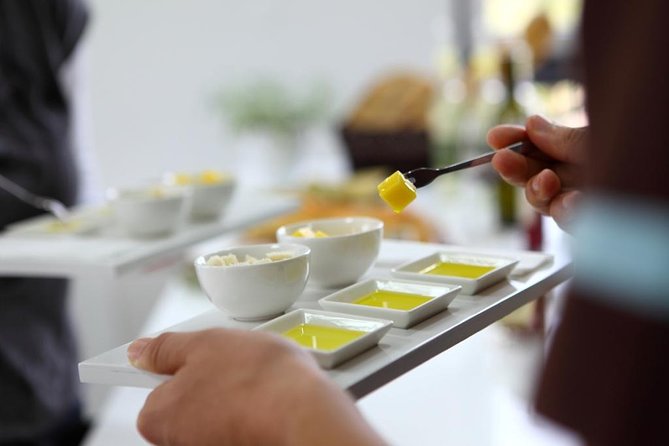
Olive oil education beats guesswork every time. At Stella Croatica you get a guided estate walk plus an extra virgin tasting that teaches you what matters, not just what to buy, and you end with samples of regional food and natural cosmetics. The only real drawback is the experience is short, about 1 hour 15 minutes, so serious olive nerds may want more time to linger.
What makes this outing interesting is that it is not only about olives. You also visit the distillery where essential oils are extracted and you stroll through botanical gardens tied to the estate’s products. If you like practical learning you can actually use at home, this format fits well.
You will meet in Mihovilovići, 21231, Klis, and the tour runs at 12:00 pm, ending back at the meeting point. The group stays small, up to 20 people, and it uses a mobile ticket, so it is easy to handle even if you are juggling a busy Split day.
Key things to look forward to at Stella Croatica
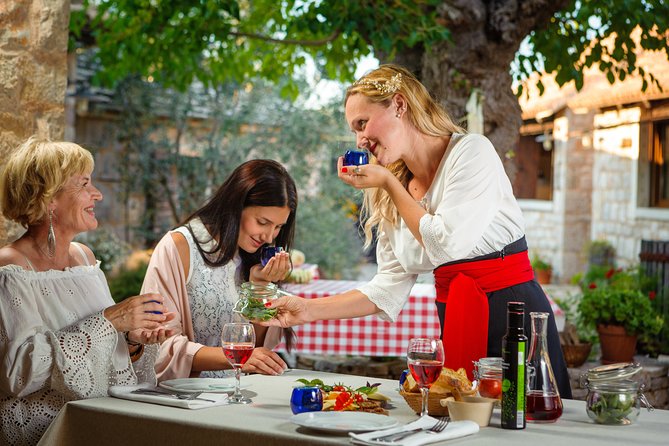
- Olive Museum education with tastings that train your senses to spot premium extra virgin olive oil
- Botanical gardens stroll that connects what you taste to what grows on the grounds
- Essential oil distillery stop where you see how plants become scent and beauty products
- Natural cosmetics testing in a concept store setting, not a sales lecture
- Traditional gastro delicacies sampling to round out the olive and oil theme
- Small-group feel with a maximum of 20 travelers and a guided pace around the estate
Klis olive oil lessons that feel practical, not pretentious
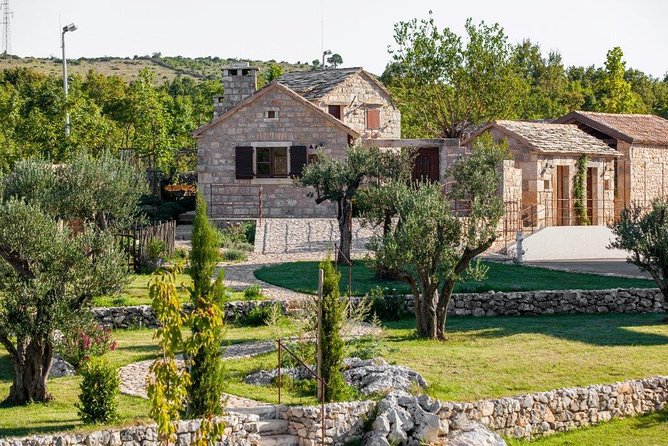
Klis is where you go to slow down. You are not standing in a city shop trying to figure out what all the labels mean. Instead, you get a guided walk across the Stella Croatica estate, built around how the products actually come to life.
I like that the experience focuses on recognition skills, not just consumption. You do not only hear that one oil is better than another. You learn how to recognize premium extra virgin olive oil during an education that includes tasting different oils. That is useful because it changes what you buy later, even back in your own kitchen.
Another strong point is the overall “hands-on” mix. You leave with olive oil knowledge, but also with a taste of other Dalmatian-style products: regional specialties, plus natural cosmetics you can test. If you are the type who wants variety on one outing, this is a tidy way to get it.
One consideration: because it is about 1 hour 15 minutes, you will not get an all-day immersion. This tour works best if you want a focused hit of learning and samples, and then you are happy to continue your day with lunch elsewhere.
You can also read our reviews of more food & drink experiences in Split
The Stella Croatica guided walk: what the estate actually gives you
The tour starts with a guided walking experience around Stella Croatica. The important detail here is that the estate is presented as a living production space, not a static museum stop.
During the walk, you see the Olive Museum and its gardens, and you get the educational storyline that connects cultivation, production, and the final bottles and jars. The botanical element matters because it gives you a visual reference for what you are tasting later. You are not memorizing facts from a page, you are linking the product to the plant world on site.
You should also know that the group size stays capped at 20 travelers. That usually means more room for questions and a less rushed pace than big bus tours. The staff approach, as echoed in guest feedback, leans friendly and engaging. Names that come up include guide Ines, hostess Dragica, and tasting guide Bonne, with Fani also mentioned as part of the welcoming team.
If you are the type who likes direct answers, this sort of small guided format is a win. If you are expecting a long, quiet self-guided wander through every room, you might find the structure a bit tight.
Olive Museum time: learning to recognize premium extra virgin
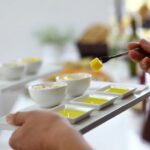
This is the core of the experience, and it is built around tasting. In the Olive Museum, you get an interesting education on recognizing premium extra virgin olive oil, supported by tasting of different olive oils.
The biggest value is that you get to train your palate in real time. Instead of hearing marketing terms and trying to decode them later, you practice during the visit. You can compare oils and learn what quality feels like through taste, aroma, and overall character. Even if you are new to olive oil, this kind of guided comparison makes the whole subject less intimidating.
Here is how I’d use the session so you actually get something from it. Take notes during the tasting if you can. Pick one or two things you notice for each oil, then use that as your memory anchor. When you taste again later in a store, you will have a baseline for what you liked and what you did not.
One more practical tip: go in thinking you are tasting, not shopping. If you treat it like a mini class, you will leave with the confidence to choose quality rather than just the excitement of sampling.
Essential oils distillery: why it matters beyond scent
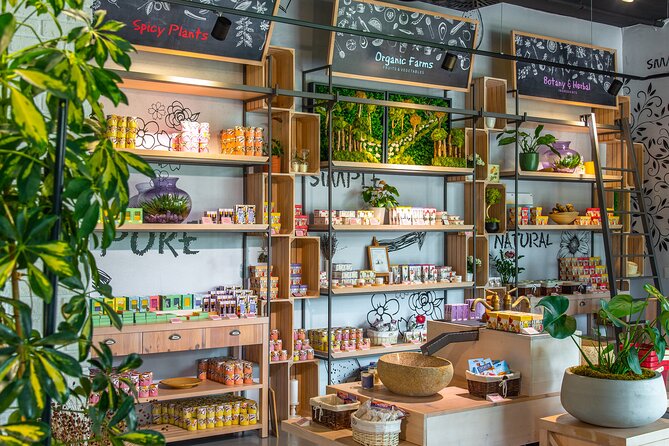
A standout feature is that the tour includes the distillery where essential oils are extracted. This is not just a side stop. It adds context to the wider Stella Croatica product line, especially the health and beauty side.
Seeing the extraction setting helps you understand why the estate spends time on plant-based inputs. When essential oils are mentioned alongside cosmetics, it can sound vague. Here, you get a physical point of reference, which makes the connection more believable.
I like this because it broadens the tour without turning it into a totally different experience. You still stay in the Dalmatian production world. Olives, botanical gardens, oils, then distillation, then products you can test.
If you are coming mainly for olive oil and nothing else, you may spend less time mentally on the distillery concept. But it is worth paying attention anyway, because it explains why natural beauty products fit into the same estate story.
Botanical gardens stroll: the calm reset in between tastings
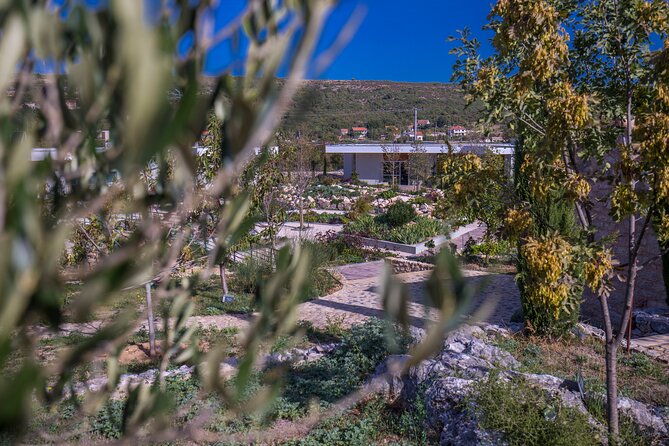
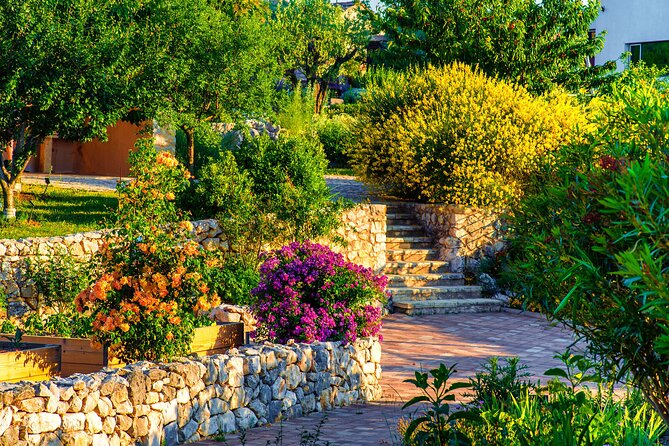
After the museum education, you stroll through the botanical gardens. This part does a simple but important job. It gives your senses a reset between samples and makes the learning feel less like classroom time.
I also think gardens are underrated in food and drink tours. Plants are the real starting point, but in many tastings you never see them. Here, you can visually connect what you tasted to what you see outside.
You do not need to be a plant expert to enjoy it. Look for what feels familiar from the product line. Even if you cannot identify every species, it helps your brain store the experience as something more concrete.
Because the tour is only 1 hour 15 minutes, the garden time is likely paced efficiently. Wear comfortable shoes so you can enjoy the walk without thinking about your feet.
You can also read our reviews of more museum experiences in Split

Concept store sampling: traditional delicacies and natural cosmetics
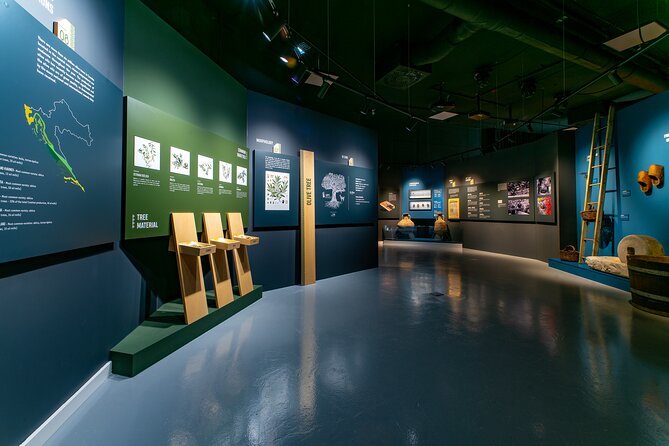
Once you finish the olive oil education, the experience transitions into sampling in the concept store. This is where you get traditional gastro delicacies, plus the chance to test natural cosmetics.
This is a smart combination for a few reasons. First, it keeps the tour from being one-note. Olive oil can dominate the conversation, but local food flavors help you understand how the region uses oil and ingredients in real eating. Second, cosmetics testing gives you a non-food way to interact with the estate’s botanical approach.
From the feedback, the team’s energy seems to carry here. Guest comments highlight staff who are fun and engaging, and that matters because tasting moments are where you remember the experience. If the guiding style feels warm, it turns sampling into a shared moment instead of a checklist.
How to approach the cosmetics testing part: take your time with it. Treat it like a quick sensory trial, not a pressure moment. If you notice something you like, ask what it is and what it is designed for. Even if you do not buy, you will understand the product line better.
Price and value: is $17.98 worth it?
At $17.98 per person for about 1 hour 15 minutes, this is not an all-day splurge. But the value comes from what you get for that time.
You are paying for:
- a guided walking experience around the estate
- Olive Museum entry and tasting education
- the distillery visit connected to essential oil extraction
- samples of traditional gastro delicacies
- testing of natural cosmetics
- all fees and taxes included in the price
That is a lot packed into a short window, and it explains why it is usually booked in advance. Also, because the tour ends back at the starting meeting point, it is easy to stitch into a day without extra planning.
The one cost consideration is what is not included: lunch. You can book lunch in a traditional tavern once the tour is done, so plan a next step if you want to eat soon after.
In practical terms, I think it is good value if you want an educational tasting plus multiple product interactions in one stop. If you only care about one thing, like olive oil with zero interest in cosmetics, you might feel like you are paying for variety you do not need.
Timing, meeting point, and how to plan your Split day
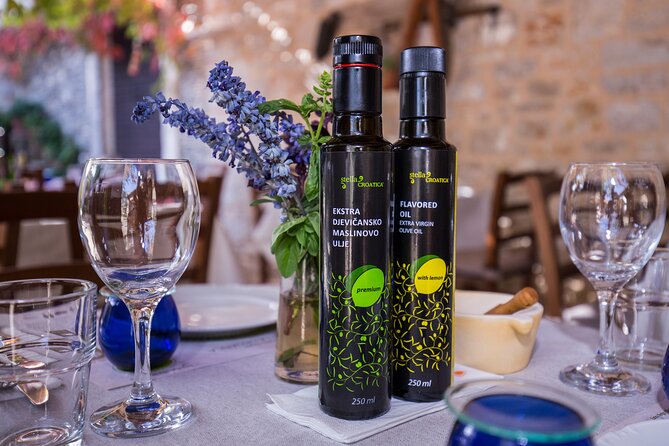
The tour starts at 12:00 pm and runs about 1 hour 15 minutes. It ends back at the meeting point in Mihovilovići, 21231, Klis, Croatia. That structure is helpful because it makes it easier to coordinate with other plans in the area.
The experience uses a mobile ticket, which is convenient. It is also noted to be near public transportation, so you should not feel locked into a car plan.
Small groups help here too. With a maximum of 20 people, you are less likely to feel lost or stuck waiting in a long line. Still, I suggest arriving a few minutes early so you are not rushed when the guide starts moving through the estate.
One more planning tip: because this is a tasting-based visit, have a light snack or plan to eat soon after. If you come hungry, the delicacies sampling will hit better, but you may also want to ensure you are not too full too early if you plan lunch right afterward.
Who should book this Olive Museum tasting in Klis?
I’d book this if you:
- want to learn how to recognize premium extra virgin olive oil through guided tastings
- like food and production stories, not just sightseeing
- enjoy trying artisan products, including natural cosmetics
- want a compact experience that still covers olives, distillation, and botanical gardens
It may be a lesser match if you:
- only want a quick look at a museum with no interest in tasting
- are strongly uninterested in anything beyond olives
- want a long, slow, unscheduled wander, since the guided time is tight
The note that most travelers can participate also suggests this is approachable for many visitors. Still, bring your basic good-tour instincts: comfortable shoes for walking on estate grounds, and a water plan for warm weather.
Should you book Stella Croatica for the olive oil tasting?
If you like your food travel with a side of real learning, I think you should seriously consider booking this. It is one of those experiences where the educational part is not separate from the fun part. You practice recognition skills while tasting, then you round out the estate story with essential oils and product sampling.
Choose it when you want value: for $17.98 you get museum education, multiple tastings, and hands-on product testing in about 1 hour 15 minutes. That is a smart use of time if you are working with limited vacation hours.
What seals the deal for me is the human factor mentioned by guests, including the engaging team members such as Ines, Dragica, Bonne, and Fani. Friendly, knowledgeable guidance is not a luxury here. It directly shapes how enjoyable the tasting and sampling feels.
If your goal is pure olive immersion for half a day, you might want something longer. But for a compact, well-taught, genuinely interactive stop in Klis, Stella Croatica is easy to recommend.
FAQ
What is the duration of the Stella Croatica olive museum and tasting tour?
It lasts about 1 hour 15 minutes.
How much does the tour cost per person?
The price is $17.98 per person.
Where does the tour start?
The meeting point is Mihovilovići, 21231, Klis, Croatia.
Where does the tour end?
The activity ends back at the meeting point.
What time does the tour start?
The start time listed is 12:00 pm.
What is included in the price?
The tour includes all fees and taxes, and an admission ticket.
Do I need to arrange lunch?
Lunch is not included. You can book lunch in a traditional tavern once you finish the tour.
How big are the groups?
The maximum group size is 20 travelers.
Is a mobile ticket used?
Yes, the tour uses a mobile ticket.
What happens if my plans change?
You can cancel for a full refund if you cancel up to 24 hours in advance.
More Museum Experiences in Split
More Food & Drink Experiences in Split
More Tour Reviews in Split
Not for you? Here's more nearby things to do in Split we have reviewed

More Dalmatia Food & Wine Tours to consider.
 ★ 5.0Krka Waterfalls, Food & Wine Tasting TourFrom $459,326 reviews
★ 4.9Krka Waterfalls, Food & Wine Tasting TourFrom $446,598 reviews
★ 5.0Krka Waterfalls, Food & Wine Tasting TourFrom $459,326 reviews
★ 4.9Krka Waterfalls, Food & Wine Tasting TourFrom $446,598 reviews
 ★ 5.0Krka National Park Tour with tour Guide & Wine tasting from Split & TrogirFrom $501,625 reviews
 ★ 4.7Split/Trogir: Krka National Park Day Trip with Wine TastingFrom $49925 reviews
 ★ 5.0Split Food Tour: Discover Split One Bite At A TimeFrom $145433 reviews
 ★ 5.0Private Full-Day Krka Waterfalls Tour with Wine TastingFrom $665263 reviews
 ★ 4.5Krka Waterfalls and wine tasting Tour from Split or TrogirFrom $50170 reviews
 ★ 4.9Krka National Park Full-Day Tour with Wine TastingFrom $49142 reviews
Explore its other useful categories