
REVIEW · SPLIT CITY & DAY TOURS
Split: Olive museum Klis with Olive Oil Tasting
Split has a lot of scenery, but this is one of those stops where you learn something fast. At Stella Croatica, you get a guided look at a traditional family estate, then Olive Oil Tasting that teaches you how to spot real extra virgin quality. I like the hands-on approach and clear explanations, and I also like that the museum is tied to Croatian olive culture, not just generic facts. One heads-up though, there are no olive trees or fields right on the property, so if you’re chasing a view of groves, set your expectations accordingly.
Your visit starts with your host meeting you at the main building, after you follow the signs from the main road. The tour moves through the on-site production spaces first, then the botanical collection, then the Olive Oil Museum, and finally the tasting room. It’s in English, and at the end you’ll have time to explore the park area and grab traditional lunch on your own.
Key Things You’ll Remember About the Tour
- Stella Croatica family estate tour that connects food, herbs, and everyday craft
- A museum that focuses on real extra virgin recognition, not just tasting for fun
- Interactive tasting where you learn like professional olive oil tasters
- 500-species botanical collection that helps you connect plants to use
- Cosmetics testing plus traditional sweets, all included with your ticket
- Shop time under factory prices, useful if you want to take quality home
Stella Croatica and the Olive Museum’s Liquid Gold Focus
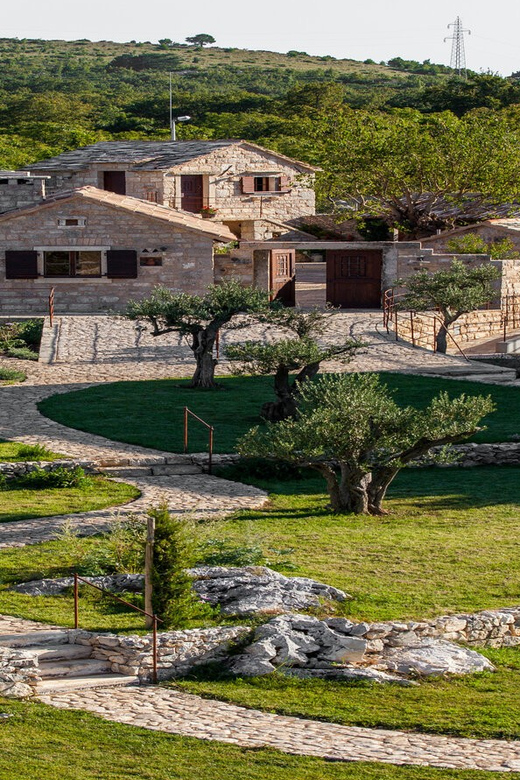
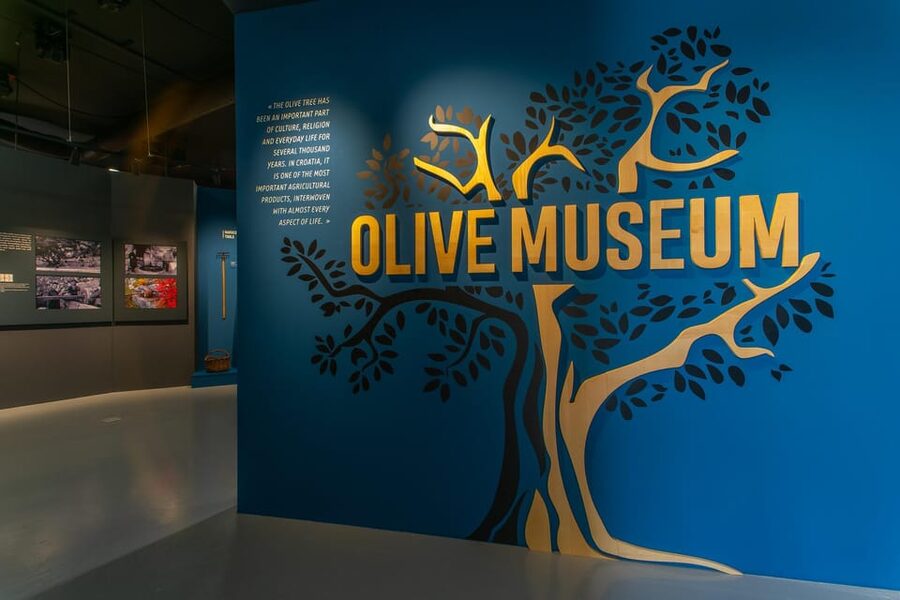
Stella Croatica is the kind of place where the story feels built-in, not added on. You’re touring a traditional family estate in Dalmatia, and the Olive Oil Museum is framed around what people call Liquid Gold, Croatia’s olive culture and how it’s grown into something people recognize and respect.
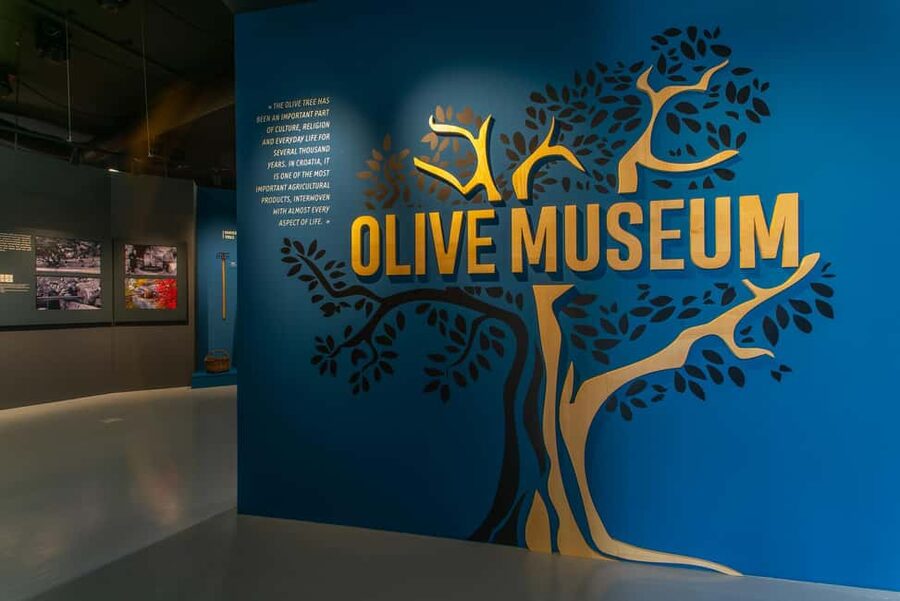
The museum has also been highlighted as a finalist for the European Museum of the Year Award 2023, which matters for one reason: it signals that the experience is designed for more than a quick look-see. You’re not just walking through rooms, you’re learning a system. That system shows up again in the tasting, where the goal is to help you tell good extra virgin from the wrong kind, using sensory cues you can actually repeat later.
You can also read our reviews of more food & drink experiences in Split

The Tour Starts With Traditional Production, Not Just Display Rooms
The experience kicks off with a look at how local ladies produce and pack traditional products. You’ll see items made from ingredients like figs, almonds, oranges, and lavender, which gives you a grounded sense of how this estate thinks about crops and craft.
Then the tour shifts into a practical angle: essential oils extracted from typical Dalmatian herbs, and how those oils get used in natural cosmetics. This part is smart for two reasons. First, it shows you that the estate isn’t only about olives. Second, it helps you understand why herbs and scent are treated like ingredients, not just decoration. If you care about food and also the way natural products work, this early section sets the tone.
Tip: since food and drinks aren’t allowed during the experience, you’ll stay focused. Plan to treat snacks as something for after the tasting or during your free time.
A 500-Species Botanical Collection You Can Actually Relate To
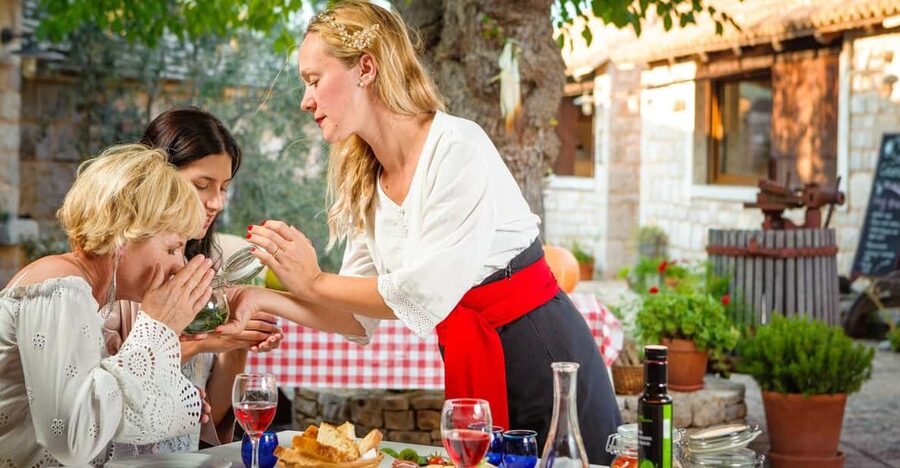
After the production areas, you walk through a botanical collection with 500 species. That’s a big number, but the value here is that you’re not just seeing plants, you’re learning what some of them can be used for.
This is where I think the tour earns its keep for curious visitors. You get a bridge between the lab-like production steps and the sensory world of taste and smell. Even if you never become a plant expert, you start noticing how herbs show up in everyday products, especially through scent and essential oils.
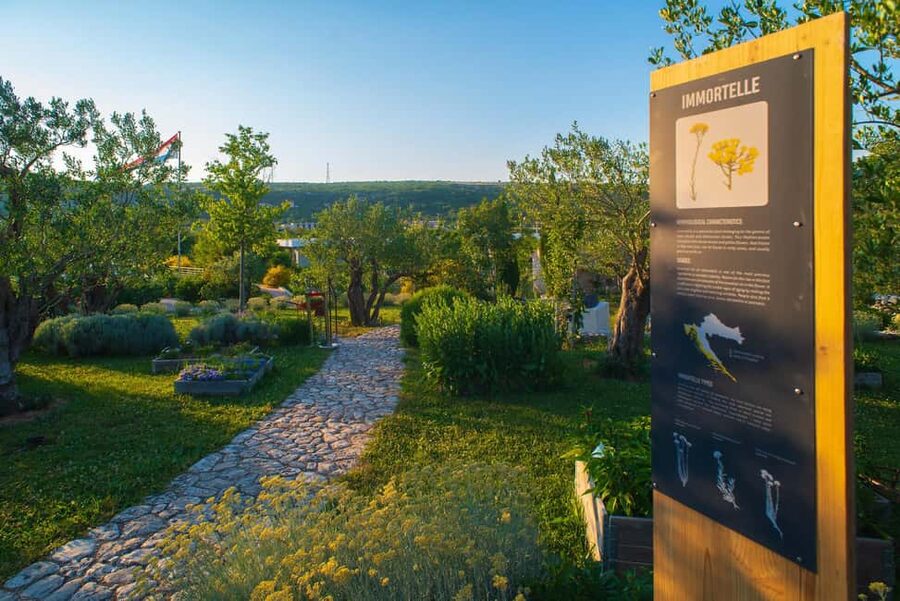
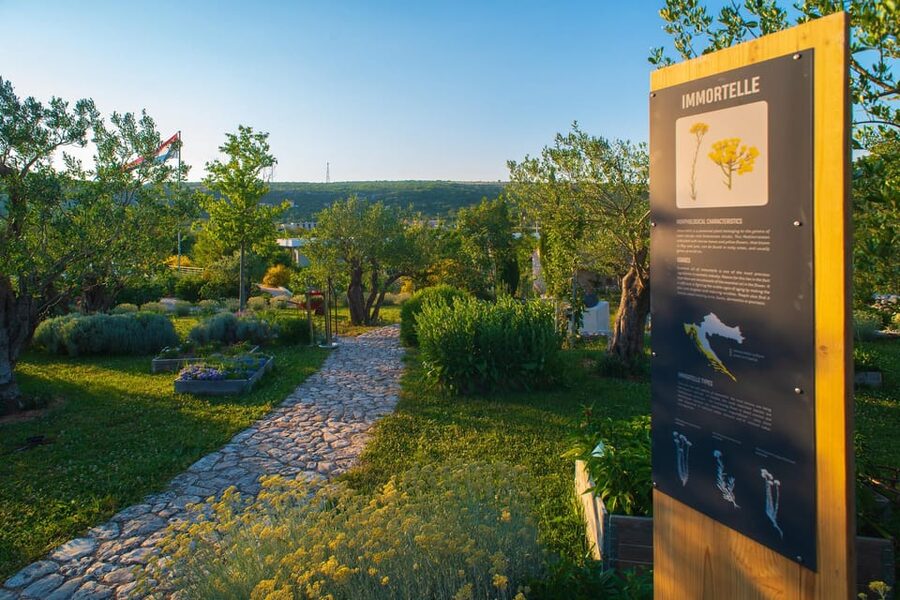
There’s also an herb garden and old buildings to explore later, so the botanical theme doesn’t stop at one room. It’s more of an ongoing thread through the property.
Learning Quality Extra Virgin Olive Oil in the Olive Oil Museum
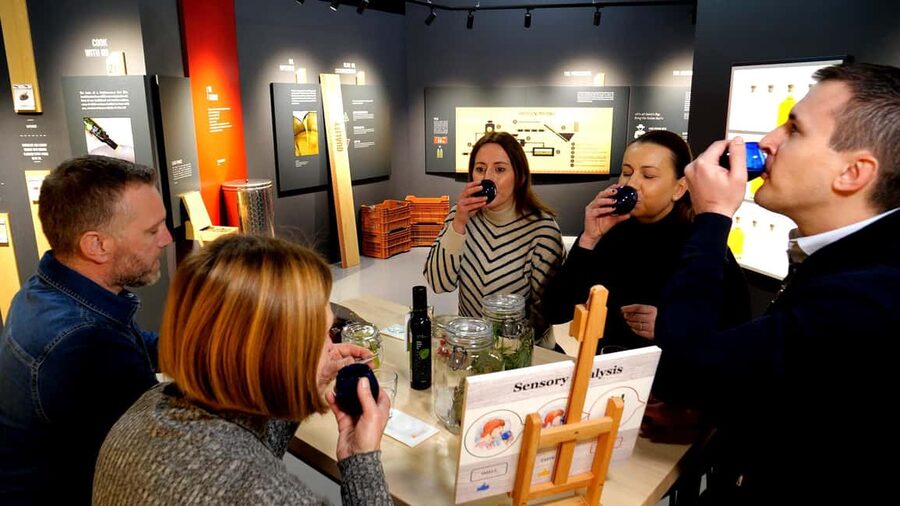
The Olive Oil Museum is the “why” portion of the day. You’ll learn about how olive oil is growing in Croatia and why recognition of quality matters, especially when people claim extra virgin but the experience is not the real deal.
This museum is built around the idea of teaching you to recognize extra virgin olive oil, not just admire it. That focus is important in a market where labels can get confusing. By the time you reach the tasting room, you should feel like you have a simple checklist in your head.
One more practical note. This is not a walk among olive trees and fields. There’s a small garden and plenty of museum and building time, but you won’t be seeing groves on site. If what you want most is the outdoors picture of olives growing, you may feel a little shortchanged.
Two Olive Oils, Hands-On Tasting, and the Taster’s Method
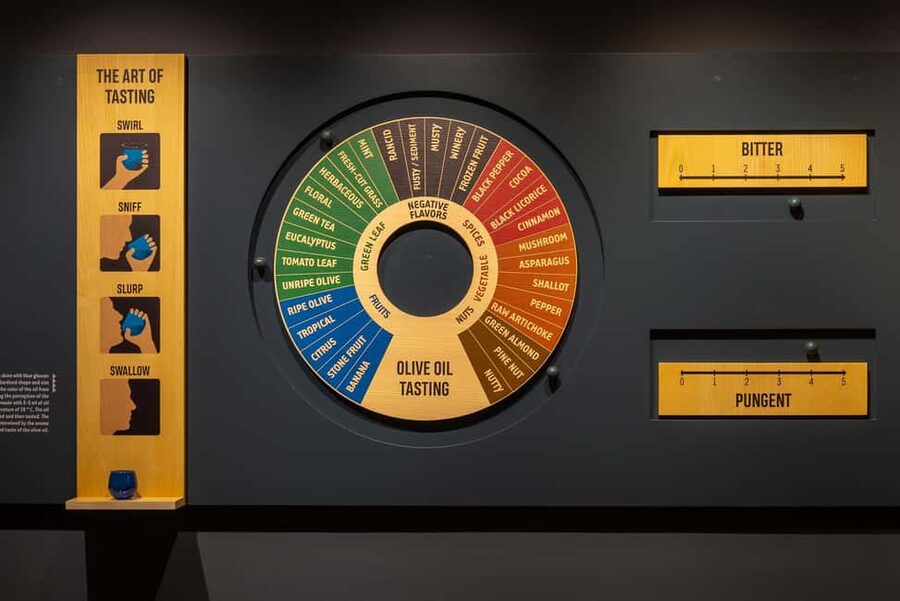
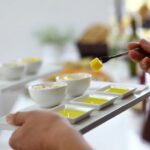
The tasting room is where the tour becomes genuinely memorable. You’ll be educated on how to recognize extra virgin olive oil through an interactive experience, and then you’ll taste two different olive oils.
The key detail is that both olive oils are labeled as extra virgin. That makes the learning more useful, because you’re comparing quality traits within the same category. In other words, it’s not wine tasting where one glass is clearly off. It’s more like learning to spot differences in fruitiness, balance, and overall character using your senses.
You may also get guided practice that feels very close to what professional tasters do, including sniffing and tasting in a structured way. This is especially nice if you’re coming with family. One parent described how their nine-year-old found it interesting, which says a lot about how clear the activity is.
What you’ll like most: you’ll leave with more than a souvenir bottle in mind. You’ll know what to pay attention to next time you shop.
You can also read our reviews of more museum experiences in Split


Traditional Sweets, Natural Cosmetics Testing, and Factory-Price Shopping
This tour doesn’t treat tasting as the only treat. It includes tasting traditional sweets, so you get a small taste of the estate’s other handmade products. It’s not presented like a sugar dump either. It’s part of the overall sense of craft around ingredients.
You’ll also get testing natural cosmetics. Since you already saw essential oils extracted from Dalmatian herbs, the cosmetics testing feels connected rather than random. You understand where the scent and ingredient choices come from, then you get to experience the result.
After that, there’s a concept store with products you can purchase. You can buy olive oils and other items in the museum shop, and the tour notes that they’re available under factory prices. That matters because you’re not just buying out of convenience. You’re buying with the context of how the estate produces and what they stand behind.
Note: there’s no promise that everything will fit your tastes, but it’s a nice chance to take home products that match what you learned.
What Happens After the Tasting, and How to Plan Lunch
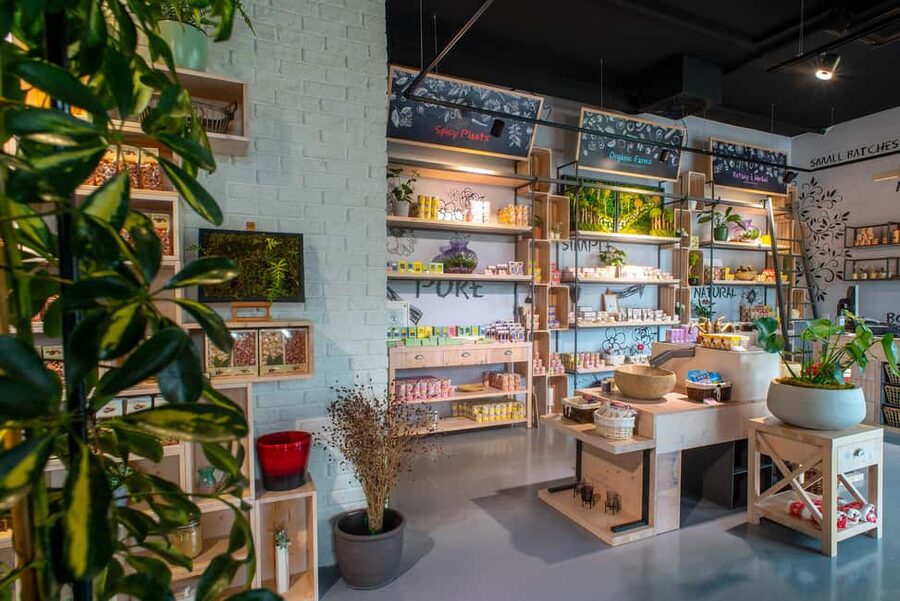
Once the tasting is done, you get free time to explore the park. You can also have a traditional lunch during this window, though additional food and drinks are not included in your ticket.
This free time is a useful buffer if you want to linger over the herb garden and old buildings. It’s also handy if you want photos without feeling rushed, since video recording is not allowed during the experience. You’ll still be able to enjoy the grounds, just without filming.
Practical move: plan lunch as a second event. Do the tour, then choose a nearby place to eat, or pick something from wherever your post-tour time is best for.
Price and Value: Is $18 Worth It in Split?
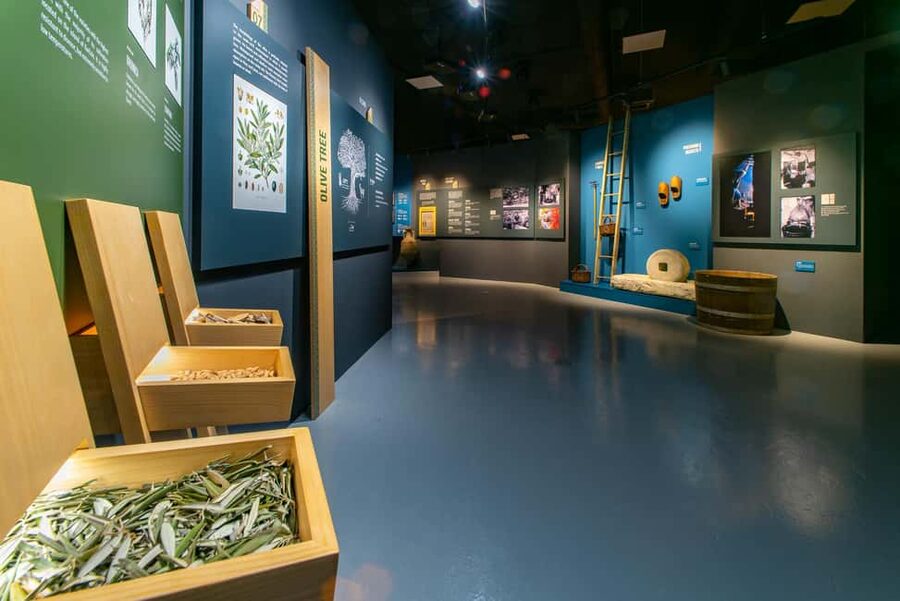
At $18 per person, you’re paying for a lot of bundled learning. Your ticket includes entry to Stella Croatica and the Olive Oil Museum, a guided tour, tasting of two different olive oils, tasting traditional sweets, and testing natural cosmetics.
That bundle is the main reason it feels like good value. A simple museum entry plus a tasting can easily cost more when separated. Here, you get guided interpretation plus structured sensory learning, which makes the time feel efficient.
The best value comes if you actually want to learn how to recognize real extra virgin. If you’re only after a generic food experience or a long outdoor stroll among olive trees, you might find the payoff smaller, especially since the property is more museum and garden than grove scenery.
Who This Tour Suits Best (And Who Might Want Something Else)
This is a great fit if you like food education with real-world results. You’ll enjoy it most if you’re the type who reads labels, wants to understand what extra virgin means, and likes learning through smell and taste.
It’s also strong for families. The experience is structured enough that a nine-year-old can participate, and the interactive nature of the tasting helps keep attention.
If you’re someone who mostly wants an olive grove walk with huge outdoor views, you might be disappointed by the lack of olive trees or fields on site. In that case, you’d likely be happier pairing this with a different stop that’s more outdoorsy.
Should You Book This Olive Museum and Tasting in Dalmatia?
Book it if you want a guided, hands-on olive oil learning experience that ends with tasting two extra virgin oils and learning how professionals evaluate quality. I’d especially recommend it if you’re buying olive oil to bring home, because you’ll have a better sense of what to look for beyond marketing words.
Skip it, or at least think carefully, if your main goal is olive tree scenery on the property itself. This place is strong on museum learning, herbs, gardens, and production craft, not on a view of groves.
If you’re balancing time in Split and you want one activity that feels both practical and fun, this is a solid choice.
FAQ
How much does the Split Olive Museum and Olive Oil Tasting cost?
The price is $18 per person.
What’s included in the tour?
Your ticket includes entry to Stella Croatica and the Olive Oil Museum, a guided tour, tasting of two different olive oils, tasting of traditional sweets, and testing natural cosmetics.
What language is the experience offered in?
The tour is available in English.
Where do I meet the host?
Follow the signs from the main road to reach Stella Croatica. Enter the main building and wait for your host to arrive.
Is food or drink allowed during the experience?
No. Food and drinks are not allowed during the activity.
Is video recording permitted?
No. Video recording is not allowed.
Will I have time to explore after the tasting?
Yes. After the experience, you’ll have free time to explore the park.
Can I reserve and pay later?
Yes, there is a reserve and pay later option, where you book your spot and pay nothing today.
More Museum Experiences in Split
More Food & Drink Experiences in Split

More Tour Reviews in Split

Not for you? Here's more nearby things to do in Split we have reviewed






More Split City & Day Tours to consider.
 ★ 4.8Krka Waterfalls Trip with Boat Cruise and SwimmingFrom $3110,519 reviews
 ★ 5.0Krka Waterfalls, Food & Wine Tasting TourFrom $459,326 reviews
★ 4.9Krka Waterfalls, Food & Wine Tasting TourFrom $446,598 reviews
★ 5.0Krka Waterfalls, Food & Wine Tasting TourFrom $459,326 reviews
★ 4.9Krka Waterfalls, Food & Wine Tasting TourFrom $446,598 reviews
 ★ 4.6Split/Trogir: Blue Cave, Mamma Mia, Hvar and 5 Island TourFrom $1096,320 reviews
 ★ 4.5Blue Lagoon & 3 Islands Cruise with Lunch from SplitFrom $785,756 reviews
 ★ 4.9Old Town and Diocletian Palace Walking TourFrom $174,727 reviews
 ★ 4.9Blue Lagoon Boat Party with DJs, Shots & After PartyFrom $474,610 reviews
 ★ 5.0Krka Waterfalls Tour, Boat Cruise & SwimmingFrom $324,489 reviews
Explore its other useful categories