
REVIEW · HVAR & PAKLENI ISLANDS TOURS
Traditional Hvar Cooking Classes, Dinners & ‘Poje’ Field Tour!
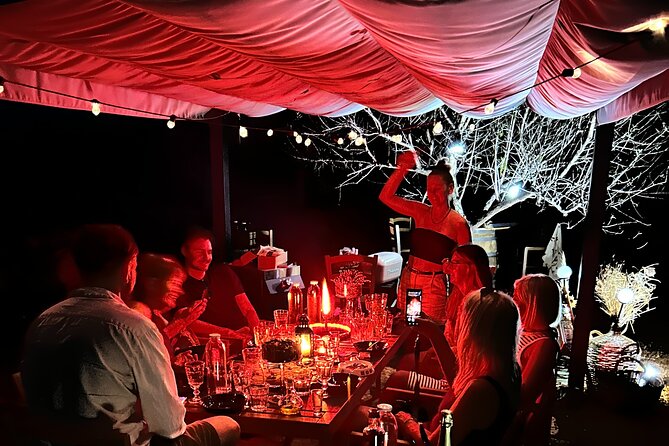
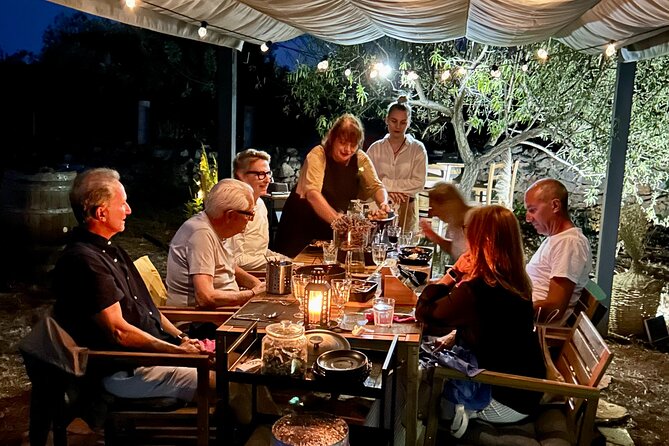
Eat dinner in an olive grove, on purpose. This small-group experience takes place at a family field called Poje in the UNESCO-protected Stari Grad Plain, where you get a real taste of island ingredients and hospitality. I especially liked how host Korneljia turns the meal into a guided food-and-drink story, with homemade herbal grappa plus local wines and a starter and main built from local seafood and olive oil.
Two other things I loved: the menu’s strong sense of place, from goat cheese aged in extra virgin olive oil to pickled sea flavors, and the relaxed pace that feels social rather than performance-style. One consideration: it’s outdoors in the fields, so you’ll want good weather for the best experience.
Key highlights you will actually care about
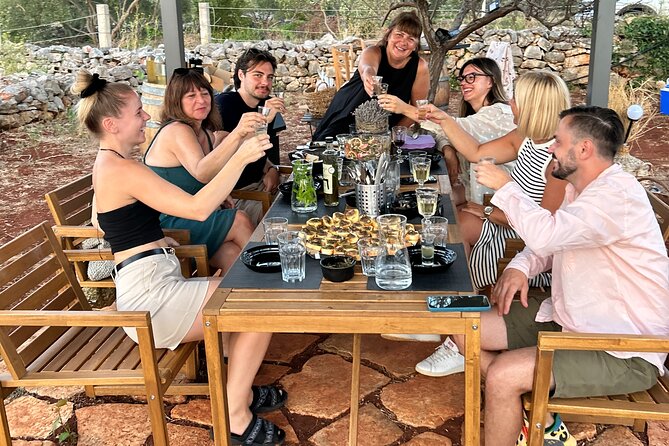
- UNESCO Stari Grad Plain as your dining room, not a generic restaurant stop
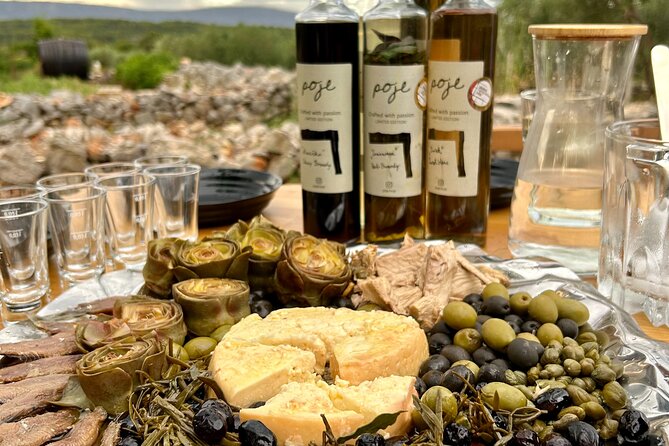
- Aperitif selection up front, including herb brandy, grape brandy, sweet wine, cherry liqueur, and elderflower juice
- Hvar platter with goat cheese aged in family extra virgin olive oil, plus salted blue fish and pickled sea flowers
- Main course depends on the day’s freshest catch, either traditional Hvar octopus stew or cuttlefish black risotto
- Lemon extra virgin olive oil cake made with lemons from the family village of Dol
- Max 6 travelers, so the table stays personal and conversations stay easy
Poje in Stari Grad Plain: the setting that makes dinner feel local
You start in a family field called Poje, set in the heart of Stari Grad Plain, an area protected as part of UNESCO heritage. That matters because you’re eating in the same kind of agricultural space the island is known for, with the rhythm of fields around you instead of traffic noise.
The flow of the evening also benefits from the setting. You arrive, you step into the grove, and you immediately feel like dinner is part of the day’s landscape, not just an event ticket. With a maximum of 6 travelers, it doesn’t turn into a big-group shuffle. You can actually talk with the people next to you and ask questions without shouting.
The biggest practical upside is focus. When you’re surrounded by olive trees and local farm space, you pay attention to the food instead of the surroundings competing for your attention. It’s the kind of evening where you remember the flavors because the context is honest.
You can also read our reviews of more tours and experiences in Hvar.
Aperitifs and local wines before the meal starts
Before plates show up, the shared table is set with homemade aperitifs, local wines, and juice. This part is more than a welcome drink. It’s an introduction to how people on Hvar like to start the evening, tasting and chatting before the main food chapters begin.
The selection includes herb brandy, grape brandy, sweet wine, cherry liqueur, and elderflower juice. You’ll also see the focus on homemade spirits, including herbal grappa and grape brandy options. If you’re the type who usually skips alcohol, the juice and wine options still make this segment worthwhile because you’re tasting a range of fruit and herb notes, not just one heavy spirit.
What I liked here is the pacing. This aperitif table gives you time to get your bearings at the farm table, meet your host, and settle in before the seafood courses arrive. It also sets up the next step, because the starter ingredients are salty, briny, and olive-oil-forward, so you’re better prepared for that flavor contrast once you’ve sipped your way into the evening.
The Hvar platter: goat cheese aged in olive oil and sea brines
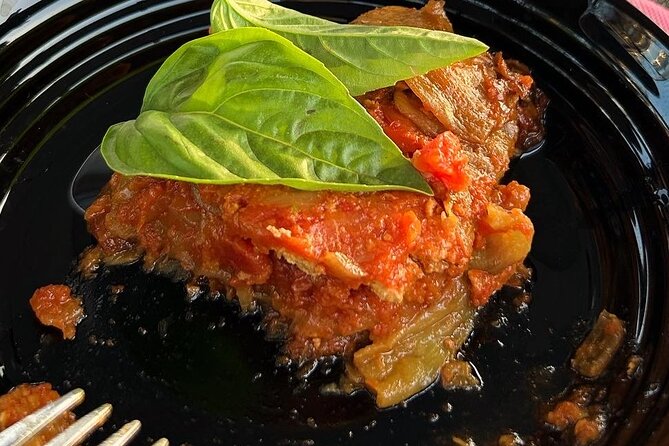
Then the dinner opens with the Hvar platter, built to show off what the island does best: olive oil, seafood, and careful preservation. The centerpiece is goat cheese aged in the family’s extra virgin olive oil, which gives the cheese a distinctly rounded, olive-forward flavor. It’s not just creamy, it’s scented and mellow, like the oil has worked its way into the cheese.
Alongside the goat cheese, the platter includes salted blue fish, olives, capers, and pickled sea flowers, all drizzled with the family’s extra virgin olive oil. This is where you feel the difference between generic seafood platters and something more personal. Each ingredient has a specific job, salty fish for depth, olives and capers for brine and bite, and pickled sea flowers for that unusual, tangy coastal note.
If you’re curious about what to expect, think in terms of salt, acid, and olive oil. You will likely taste a strong olive-oil thread through the whole starter. That’s why the drizzled extra virgin olive oil isn’t just decorative. It binds everything into one coherent flavor.
Small caveat: if you dislike salty or briny flavors, this starter may feel intense at first. But if you like seafood that tastes like the sea, this is the part that makes the whole experience feel truly Hvar.
Pasta with Hvar Šalša plus today’s octopus or cuttlefish
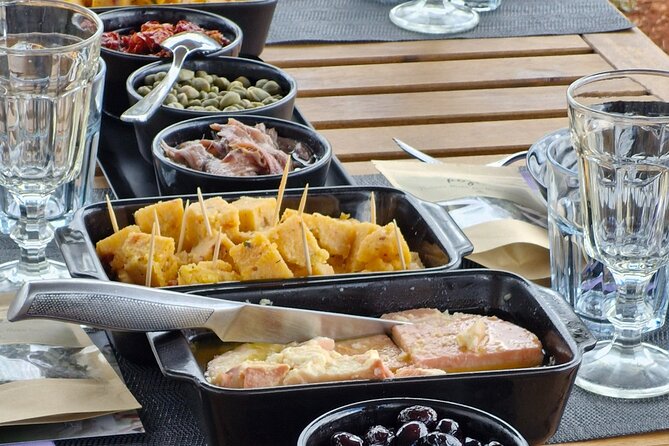
The next stage shifts to the main course, built around pasta with tomato sauce known as Hvar Šalša. The pasta is garnished with goat cheese, which is a smart move. It keeps the tomato sauce from feeling one-note and adds a creamy, olive-oil-compatible richness.
After that base, the menu follows the day’s freshest catch. You’ll get either traditional Hvar octopus stew or cuttlefish black risotto. Since the choice depends on what’s freshest that day, you’re not picking from a printed A or B menu as much as you’re following the farm-to-sea reality.
Here’s how to think about the two options:
- Octopus stew usually suits you if you like slow-cooked, tender seafood with comforting, home-style sauce.
- Cuttlefish black risotto suits you if you enjoy dramatic flavor and the earthy taste that comes with black ink preparations.
You can also ask what you’re being served that day, since the wording makes it clear the decision is freshness-based. Either way, the main course is designed to land after the salty starter. The tomato sauce and goat cheese help balance the earlier briny flavors.
Octopus stew vs cuttlefish black risotto: how to decide on the spot
Because the day’s catch determines which main you get, the best strategy is matching your expectations to the style of dish that’s likely to show up. If you want something deeply comforting, choose the octopus stew when that’s what’s offered. If you like seafood that tastes bold and a little theatrical, black risotto can be your play.
What helps is understanding that black risotto is not just a color. It’s tied to the cuttlefish preparation, and ink-based dishes often carry an extra layer of depth. If you’ve had seafood ink preparations before, you’ll know whether that flavor works for you.
Also, keep your order logic simple: you’re in an experience built around local traditions, so you’re not trying to optimize a personal menu match. You’re tasting what Hvar cooks when the catch is right. That mindset makes the meal feel like a real slice of daily life rather than a restaurant review.
If you’re pescaterian, you’re covered. This menu is seafood-forward by design, and the experience is listed as suitable for pescaterians. If you have allergies or restrictions beyond pescetarian needs, you’ll want to check directly with the operator because the data provided doesn’t mention vegetarian alternatives.
Lemon extra virgin olive oil cake from Dol: dessert with a point of view
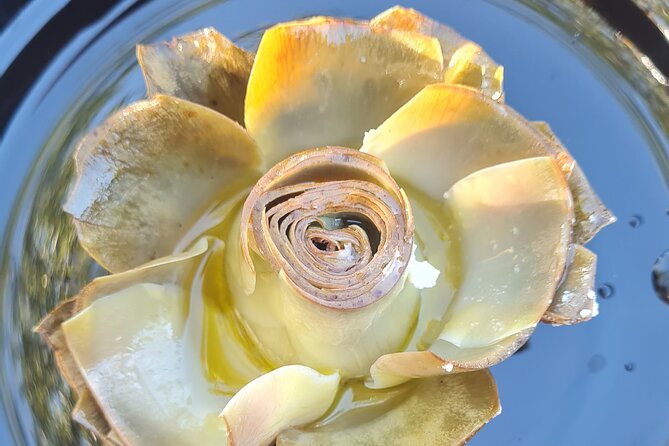
The finale is lemon extra virgin olive oil cake, described as moist and fruity, made with lemons from the family’s village of Dol. This is a dessert choice I like because it doesn’t pretend to be a complicated French confection. It tastes like local ingredients turned into comfort.
The lemon brings brightness, and the extra virgin olive oil helps the cake stay tender rather than dry. That combination is something you often see in Mediterranean baking, but it still works here because the cake is presented as lemon-forward and olive-oil-grounded, not as a gimmick.
If you’re wondering what you’re eating beyond the label, aim for a dessert that ends the meal cleanly. After seafood and tomato flavors, lemon works like a reset button. And because the lemons are tied to a specific family village, it reinforces the same story the savory courses start: place-based ingredients, shared at one table.
On-demand cooking class moments: what that included add-on can feel like
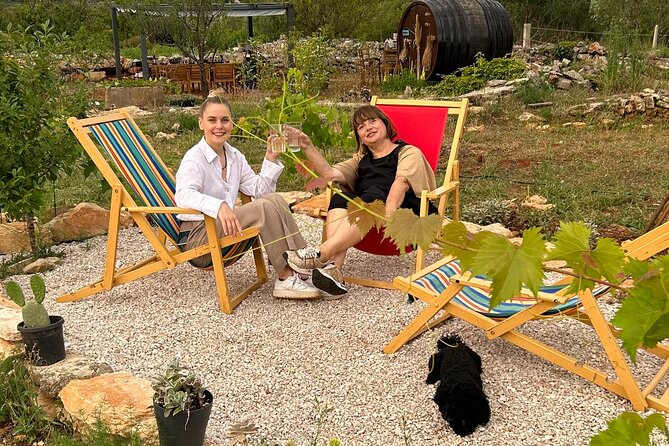
The experience includes brunch cooking classes on-demand. The phrase on-demand matters. It suggests you’re not stuck in a formal lecture segment for the whole tour. Instead, you might get cooking guidance when it fits the flow of the meal, likely in the moment when ingredients and techniques are in front of you.
Even without extra details, you can still get value from this. When a host is serving olive oil, tomato sauce, and seafood dishes that reflect local tradition, there’s a natural opportunity to ask how things are done. I’d treat this as permission to ask questions, like how the olive oil flavor is built into cheese aging, or how the tomato sauce gets its balance.
If you’re a hands-on traveler, this included add-on can be the difference between eating a meal and taking home practical understanding. If you’re more of a sit-back-and-enjoy type, the “on-demand” format should keep it from turning into a school day.
Price and value: what $166.80 is paying for
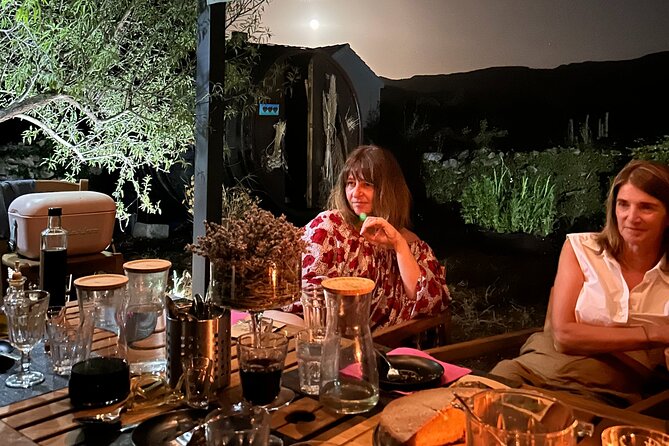
At $166.80 per person for around 2 hours, you’re paying for a multi-course dinner in a specific farm setting, plus a hosted aperitif and a selection of alcoholic beverages and wines. There’s no private transportation included, so you’re also responsible for getting yourself to the meeting point.
That said, the value makes sense if you look at what’s bundled:
- A hosted aperitif table with homemade brandy-style options, sweet wine, and elderflower juice
- A full dinner starter platter with multiple preserved and olive-oil-based ingredients
- A main course with local pasta sauce and either octopus stew or cuttlefish black risotto
- A dessert made with extra virgin olive oil and lemons from Dol village
You’re also getting small-group attention, max 6 travelers. That usually costs extra in Croatia if you’re trying to recreate the same intimacy through private dining. Here, it’s built into the format.
So I’d call it good value if you want something more personal than a standard cooking class. It’s not only about learning recipes. It’s about tasting a family’s everyday food choices in their own kind of space.
Timing, meeting point, and how to prepare for the field setting
The activity lasts about 2 hours, and you start and finish back at the meeting point. The meeting point is listed as Poje Hvar5JMC+QF in Stari Grad, Croatia. That means you should plan to arrive on time enough to settle in before the aperitifs start.
Because it’s hosted at a family field in the grove, treat it as an outdoor meal. You’ll want comfortable shoes for uneven ground and to stay practical with the weather. The experience is also stated to require good weather. If conditions are poor, you’ll be offered a different date or a full refund.
Clothing-wise, think casual and breathable, plus a light layer in evenings. If you’re traveling in peak summer heat, you can often stay comfortable longer with a hat and sunscreen, and then use dinner time as the cool-down.
Finally, you’ll receive a mobile ticket. That’s helpful because you can keep your details in your phone and avoid paper searching right before dinner.
Who should book this Hvar field dinner, and who might skip it
I think this tour is best for food lovers who want a meal with a strong sense of place. If you enjoy seafood dishes, are curious about olive oil flavors, and like homemade alcohol and local wines, you’ll probably feel right at home.
It’s also a good fit for pescaterians because the menu is seafood-forward and the experience is explicitly suitable for pescaterians. If you love the idea of a small table with up to 6 people, this format keeps the evening from feeling like a group tour machine.
On the other hand, you might want to skip or reconsider if you strongly dislike briny, salty seafood starters, or if you hate outdoor eating when weather turns iffy. The whole experience is tied to the field setting, so it’s not a weather-proof indoor option.
Should you book it?
Book it if you want a hosted dinner that feels like it came from a family kitchen and a working landscape, not a commercial show. The combination of UNESCO Stari Grad Plain setting, homemade aperitifs, and a menu built around olive oil and today’s catch is exactly what makes this one memorable.
Skip it if you want lots of flexibility in menu choices, or if you know you’ll be unhappy eating outdoors. Also consider that transportation is not included, so choose this when you can confidently reach the Poje meeting point.
FAQ
How long does the Hvar Poje field cooking dinner last?
It runs for about 2 hours.
Is this experience offered in English?
Yes, it is offered in English.
What is included in the dinner?
You get an aperitif selection with alcoholic beverages, a starter platter (seafood platter), a main course (tomato pasta with octopus stew or cuttlefish black risotto), and dessert (lemon extra virgin olive oil cake).
Is alcohol included?
Yes. The experience includes a selection of alcoholic beverages, including homemade aperitifs and local wines.
Is it suitable for pescaterians?
Yes, it is listed as suitable for pescaterians.
How many people are in the group?
The group size is limited to a maximum of 6 travelers.
Where does it start and end?
It starts at Poje Hvar5JMC+QF in Stari Grad, and it ends back at the same meeting point.
What happens if the weather is bad?
This experience requires good weather. If it is canceled due to poor weather, you will be offered a different date or a full refund.
Is private transportation included?
No. Private transportation is not included.
More Tours in Hvar
More Tour Reviews in Hvar
Not for you? Here's more nearby things to do in Hvar we have reviewed








More Hvar & Pakleni Islands Tours to consider.
 ★ 5.0Blue cave, Mamma Mia and Hvar, 5 islands speedboat tourFrom $1117,150 reviews
 ★ 4.6Split/Trogir: Blue Cave, Mamma Mia, Hvar and 5 Island TourFrom $1096,320 reviews
 ★ 5.0Blue cave, Mama Mia and Hvar, 5 island speedboat tour from TrogirFrom $1112,861 reviews
 ★ 5.0Blue Cave & 5 Islands with Vis & Hvar Boat TourFrom $941,947 reviews
 ★ 4.6Split/Podstrana: Blue Cave, Hvar & 6 Islands Speedboat TripFrom $1351,627 reviews
 ★ 4.5Hvar, Brač & Pakleni islands cruise with lunch & drinks from Split & TrogirFrom $951,452 reviews
 ★ 4.8Hvar, Pakleni, Brač & Šolta All-inclusive TourFrom $1161,426 reviews
 ★ 4.2Hvar, Brač, and Pakleni Cruise with Lunch and DrinksFrom $761,227 reviews
Explore its other useful categories