
REVIEW · SPLIT CITY & DAY TOURS
Food Tour in Split ( Small Group)
Split tastes better with a local route. This 2.5-hour small-group food walk through Split connects what you eat to how the city got its food habits, starting at the Green Market and ending with family-made sweets.
I love the small group setup, limited to 10 people, so you actually hear the food stories instead of being rushed along. I also love the focus on old town knowledge, with guides like Deedee and Bruno bringing real context for each stop.
One possible drawback to plan around is that some restaurant stops may be closed in certain seasons, which can affect the exact tastings you get.
Key highlights before you go
- Green Market first, so you start with local ingredients before you start stacking plates
- Diocletian’s Palace Peristyle stop, where history is explained while you’re still in the walking flow
- Proper burek tasting, including minced meat and cheese fillings wrapped in filo and baked
- Split fish market energy, the kind of place where the whole atmosphere turns food into a show
- Family sweet shop finish, with homemade fritula as the sweet payoff
- Guides from Split’s old town, often with a relaxed, friendly pace and practical city insight
A small-group Split food walk that connects bites to place
Split food tours can feel like a checklist. This one works differently. You start at the Green Market, then you move through the historic center step by step, with your guide explaining how eating habits formed over time and how different cultures left fingerprints on local food.
What makes it feel especially worthwhile is the small group limit of up to 10. That size matters in a place like Split, where alleys twist and everyone wants to ask the same question, like what you should order next time. With a tight group, you get answers, not just directions.
You’re also not just tasting random snacks. You taste foods that have long local roots and you hear why they show up again and again. That history piece matters because it turns food from something you eat into something you understand.
You can also read our reviews of more food & drink experiences in Split
Meeting point and timing: where the tour starts and how the flow works
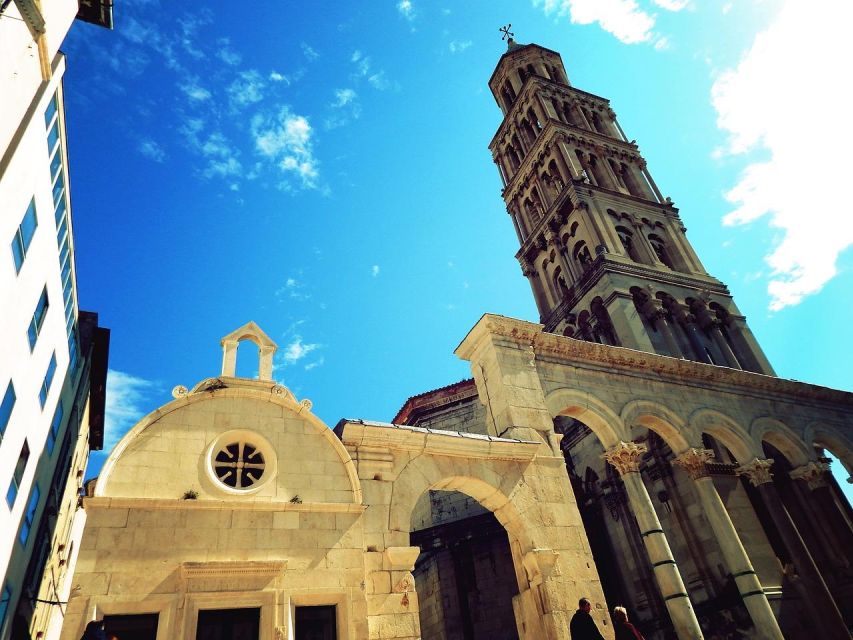
You meet in front of St. Dominic Church, directly across from the Silver Gates of Diocletian’s Palace. That is a smart start location. You are instantly inside the old town rhythm, surrounded by the same stone streets that shaped daily meals for centuries.
The tour runs for 2.5 hours, so it is long enough to do multiple tastings without feeling like a marathon. You should also expect a steady walking pace between stops. Split’s old town streets are compact, and a food tour works best when you can move quickly, smell what’s cooking, and keep your appetite on track.
There’s also a small but important practical note: the route description lists a finish back near the meeting area, and the final stop is marked at Narodni trg. Either way, you stay central. That means after the last bite, you are not stuck commuting with a full stomach.
Green Market: prosciutto, cheese, and the first real taste of Dalmatia
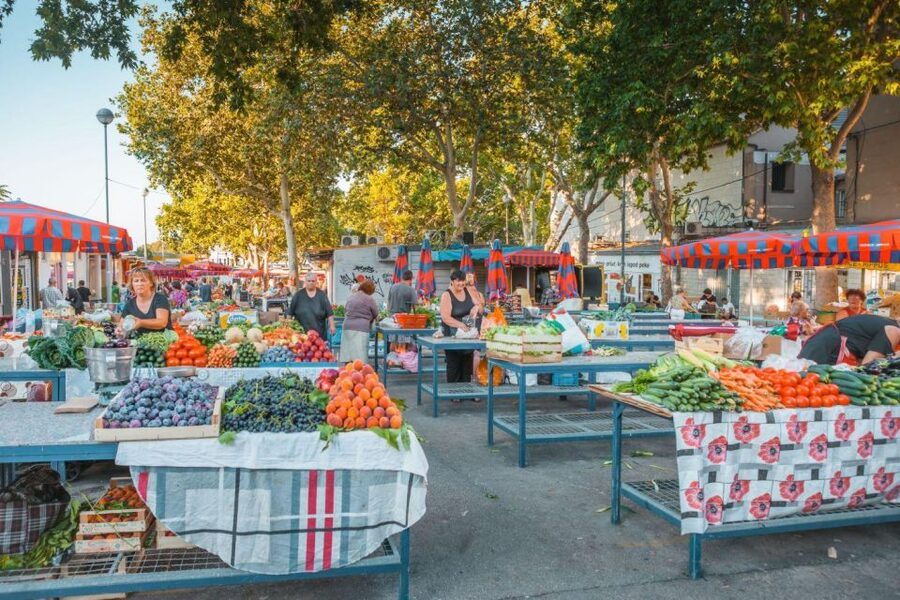
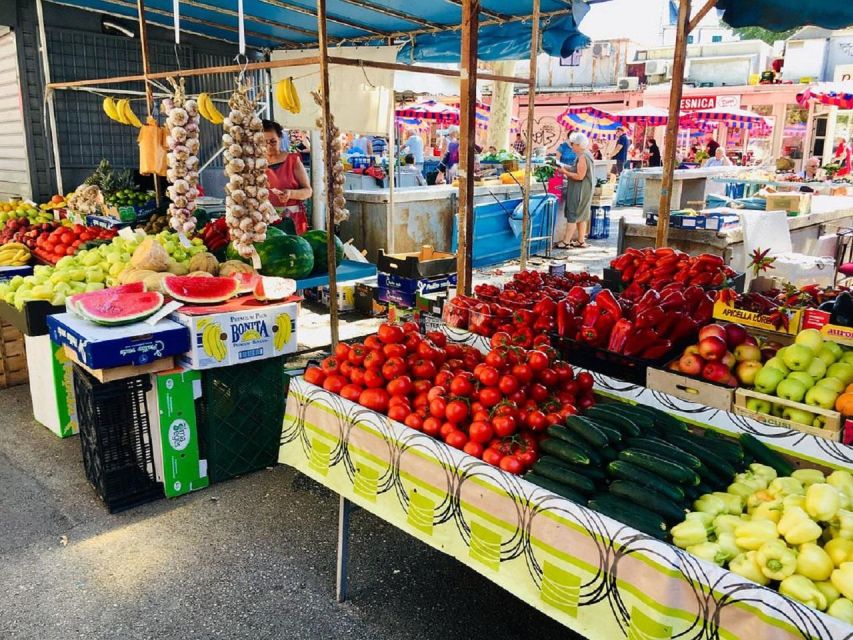
The first stop is the Green Market right by the meeting point. This is not a tourist-only market vibe. Farmers from surrounding villages sell home-made products, and you get that immediate sense that the food here starts with real ingredients, not packaged souvenirs.
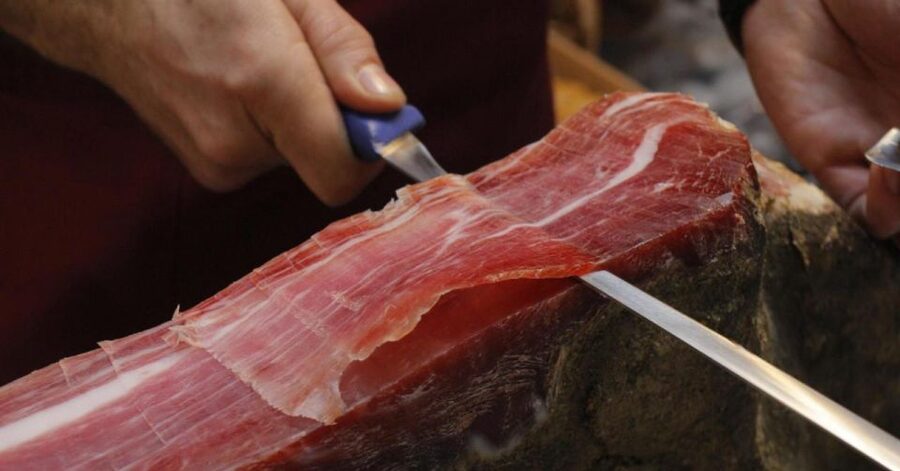
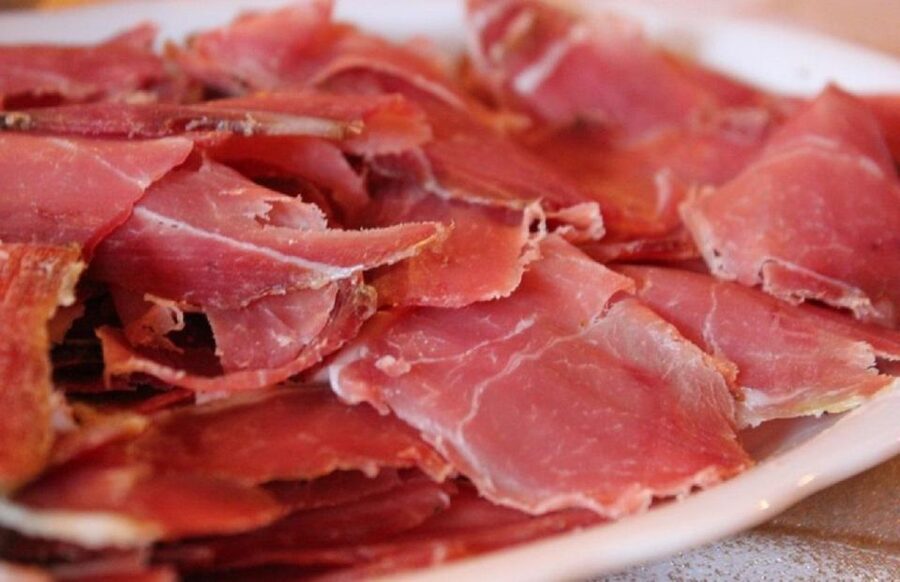
The tastings at the market focus on classic local items, including prosciutto and cheese. You also get to try soparnik, which helps you connect Split’s everyday eating to the region’s traditional cooking. A guided market stop works best when the guide points out what you are actually tasting and how it fits local habits, not when you just sample and run.
Why I like this start: it sets your mental baseline. After you taste at the market, later stops make more sense. When you reach more cooked, bakery-style food, you understand what those flavors are building on.
Peristyle inside Diocletian’s Palace: history you can stand inside
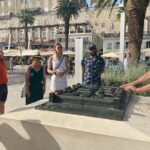
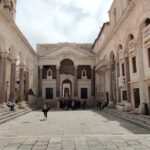
After the market, you walk to the Peristyle inside Diocletian’s Palace. This is where the tour earns its value beyond food.
In about a short window, your guide gives context on the city, and you hear the story while you are literally standing in the palace complex. That makes the explanation stick. You are not imagining old walls, you’re under them. And because this stop is built into the walking route, it does not feel like a separate sightseeing detour.
This is also a good time to reset your pace. Markets put you in tasting mode, then Peristyle brings you back into thinking mode. You start to connect how a city shaped by long history would develop steady favorites that still show up in everyday meals.
The burek stop: why this baked spiral is a Split must
Next comes one of the main bites of the tour, a rare local dining spot in the center of Split that keeps its authentic charm and has locals coming back.
Here you try burek. If you have never had it before, it is worth paying attention to the structure. Burek is layers of filo pastry with savory fillings, shaped into a spiral and baked in a hot oven. You get to try fillings like minced meat and cheese, which gives you a quick comparison in one sitting.
This stop matters because burek is the kind of food that travels well across cultures, yet it becomes local once it’s adopted into daily life. By tasting it as part of a guided route, you start seeing these foods less as single dishes and more as part of a living food system.
One more thing: sit and let the guide steer. When you hear why this kind of pastry became popular, you taste differently. You notice the balance between flaky layers and hot filling, not just the flavor.
More Split tours, Dalmatian island days, and Adriatic experiences

Split fish market: the smell, the pace, and the seafood obsession
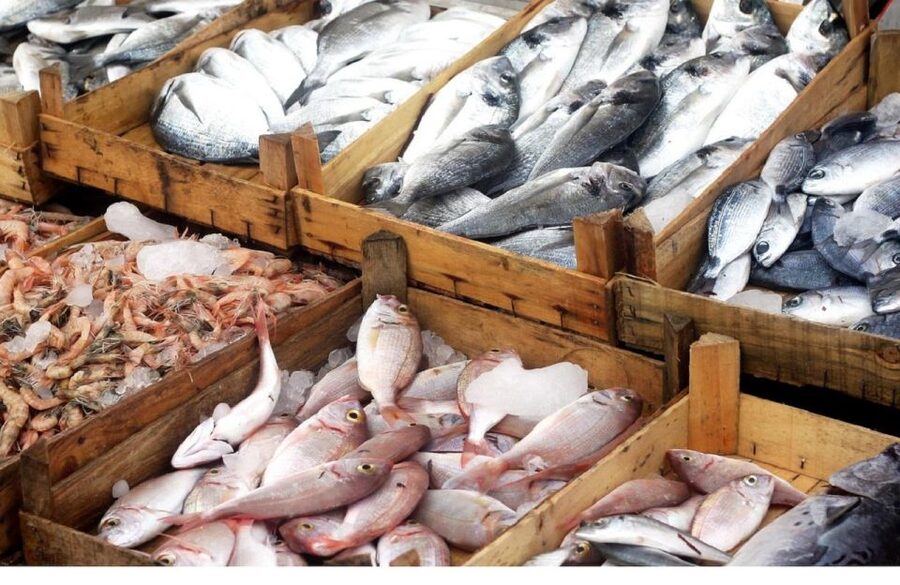
From pastry to seafood. Next you head to the Split fish market.
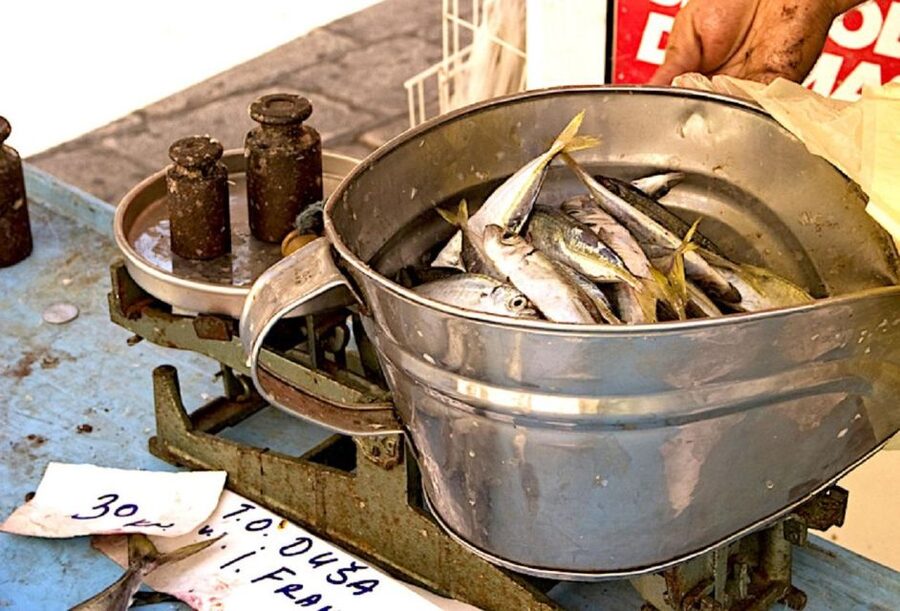
This is where the tour becomes sensory fast. The fish market has that Mediterranean buzz, and it’s the kind of place where you can feel how seafood fits into local life. You can learn the context while you watch, but you also get food tasting as part of the stop, along with time to visit the market.
A fish market stop is valuable because it reminds you that coastal food is not just about restaurants. It is about what people buy, how quickly food gets from sea to table, and how local cooks build dishes around what’s fresh and available.
If you like food that feels tied to place, this is the moment. The guide’s explanations give it meaning, but the atmosphere does half the work.
Second restaurant and a bakery finale: filling flavors before you sweeten
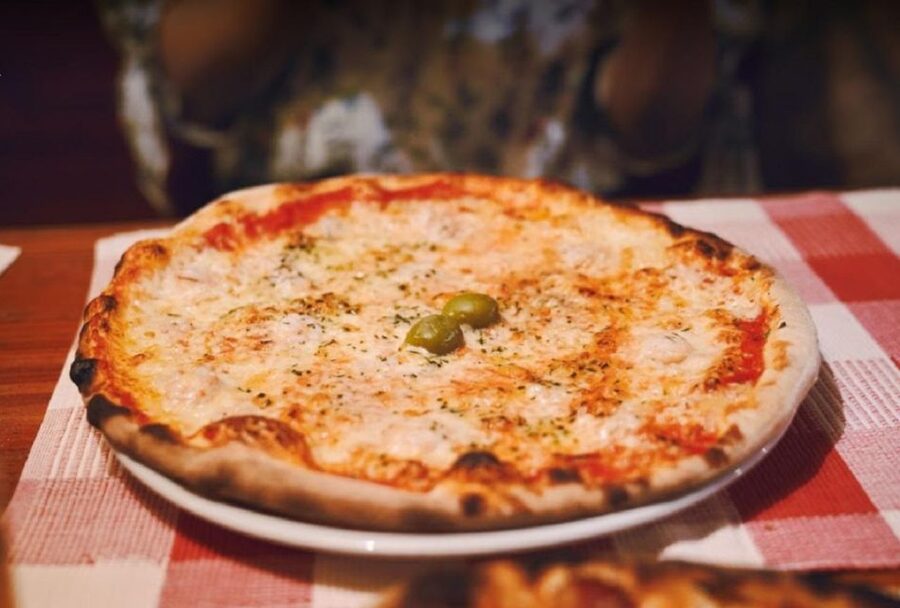
After the fish market, you move to another local restaurant for more food tasting. The point of the second restaurant stop is to keep your menu broad, so the tour doesn’t feel like one repeat flavor style. You are tasting more of the local gastronomic habits, not just snacks that could be anywhere.
Then you finish at a local bakery. This is a fun ending for the simple reason that bakery bread and pastries give you that final comfort-food feeling after a day of savory sampling.
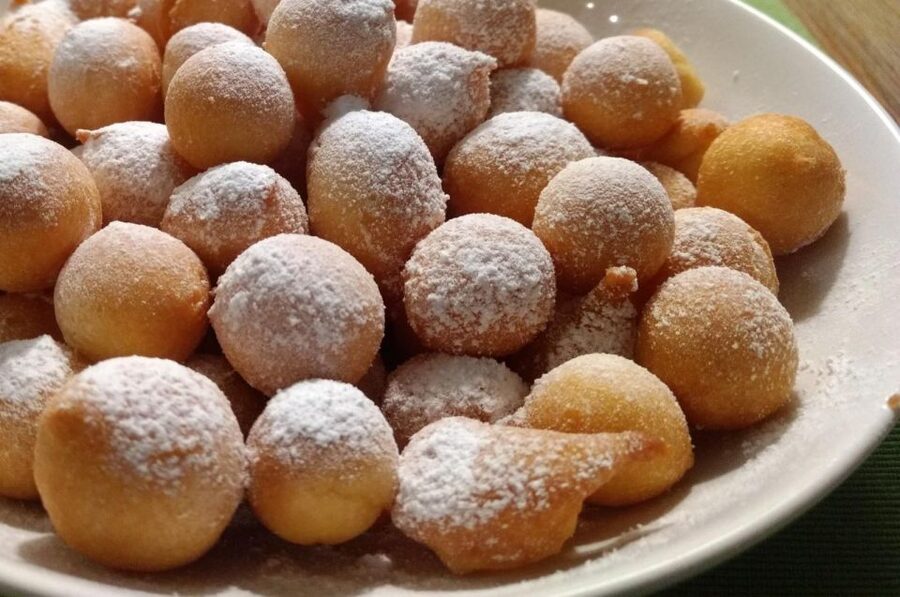
And yes, the sweet payoff is serious. The final stop is a family shop specializing in traditional sweets, with homemade fritula. Fritula is the kind of treat that feels made for sharing, and after all the savory tastings, it lands perfectly.
How much is it worth at $94, and what you actually get
At $94 per person, you’re paying for three things: a professional live guide in English, a structured route with multiple stops, and all food you taste included.
So the value is not just the number on the price tag. It’s that you get more than one meal worth of sampling, spread across places you might not easily find on your own. Markets, small eating spots, fish market tastings, and a family sweet shop are exactly the kind of stops that are hard to stitch together without local knowledge.
The small-group limit also helps value. You are not competing with a crowd for guide attention, and that makes your tasting time more efficient. You get better explanations, and you leave with a clearer sense of what to order next time you are back in Split.
Who this tour suits best, and who might want a different style
This tour is ideal if you want a guided tasting that mixes food and town history without turning into a museum day. If you like learning what makes local dishes local, you will enjoy how the guide talks through habits and influences as you walk between stops.
It also suits first-time visitors who want to get their bearings fast. Starting near Diocletian’s Palace and working through central neighborhoods makes the day feel anchored.
If you are traveling in a time when some eateries are closed, keep expectations flexible. One downside that can happen in certain seasons is that some restaurant stops may not be operating, so the exact tastings can shift.
Should you book this Split small-group food tour?
Book it if you want a short, high-yield food route in the center of Split, with multiple tastings included and a guide who connects dishes to the city. The small group size, plus the old town upbringing of guides like Deedee and Bruno, is exactly the combo that makes this feel personal rather than scripted.
Skip or compare another option if you are very date-sensitive and hate the idea of any stop being unavailable in your travel window. But if you can be flexible, this is a smart way to eat through Split’s classics, from market staples like prosciutto and cheese to burek, seafood market culture, and a homemade-sweets finish with fritula.
FAQ
Where does the tour start?
The meeting point is in front of St. Dominic Church, just across from the Silver Gates of Diocletian’s Palace.
How long is the food tour?
The tour lasts about 2.5 hours.
How many people are in the group?
It is a small group limited to 10 participants.
What language is the tour guide?
The live tour guide speaks English.
What food is included?
All food you are going to taste is included. The tour includes tastings such as prosciutto, cheese, soparnik, burek (including minced meat and cheese fillings), tastings at the fish market, plus local sweet products like homemade fritula.
Where does the tour end?
The activity ends back at the meeting point, and the route also lists Narodni trg as the finish area.
How much does it cost?
The price is $94 per person.
Is free cancellation available?
Yes. You can cancel up to 24 hours in advance for a full refund.
More Food & Drink Experiences in Split
More Tours in Split
More Tour Reviews in Split
Not for you? Here's more nearby things to do in Split we have reviewed
More Split City & Day Tours to consider.
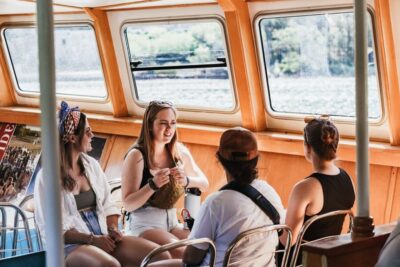 ★ 4.8Krka Waterfalls Trip with Boat Cruise and SwimmingFrom $3110,519 reviews
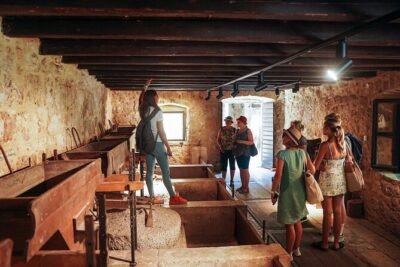 ★ 5.0Krka Waterfalls, Food & Wine Tasting TourFrom $459,326 reviews
★ 4.9Krka Waterfalls, Food & Wine Tasting TourFrom $446,598 reviews
★ 5.0Krka Waterfalls, Food & Wine Tasting TourFrom $459,326 reviews
★ 4.9Krka Waterfalls, Food & Wine Tasting TourFrom $446,598 reviews
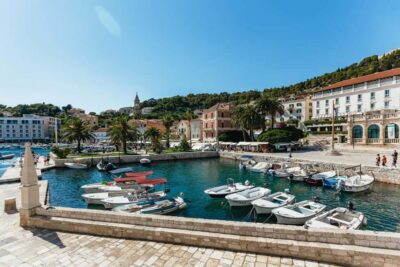 ★ 4.6Split/Trogir: Blue Cave, Mamma Mia, Hvar and 5 Island TourFrom $1096,320 reviews
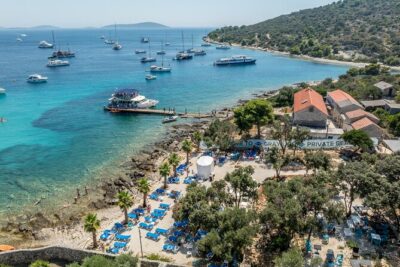 ★ 4.5Blue Lagoon & 3 Islands Cruise with Lunch from SplitFrom $785,756 reviews
 ★ 4.9Old Town and Diocletian Palace Walking TourFrom $174,727 reviews
 ★ 4.9Blue Lagoon Boat Party with DJs, Shots & After PartyFrom $474,610 reviews
 ★ 5.0Krka Waterfalls Tour, Boat Cruise & SwimmingFrom $324,489 reviews
Explore its other useful categories