
REVIEW · SPLIT CITY & DAY TOURS
People of Split – meet the locals
Split’s old stones still talk.
This private People of Split walk turns the usual palace tour into something more human, with a local guide who points out how people actually live inside Diocletian’s world. You start at the Split sign, then move through key palace spaces, photo stops, and everyday street scenes that make the city easier to understand.
I especially like two things: the focus on local culture and daily life inside the palace complex, and the storytelling style from Mirjana that connects big historical moments to what it feels like to be here now. I also like the practical pacing, with plenty of short stops and pauses for photos and snacks.
One possible drawback: it is a walking-focused tour (around 1 hour 20 to 1 hour 35), so if you tire quickly on uneven historic streets, plan for slower moments and wear solid shoes.
Key things to know before you go
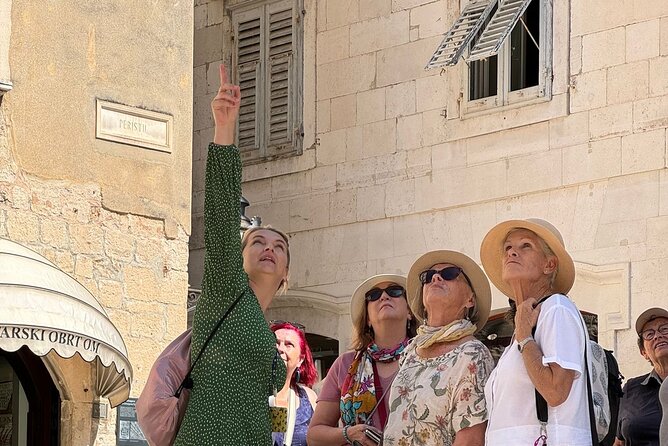
- A native of Split guides the walk, so the stories lean toward real life, not just dates.
- Private tour for up to 8, ideal for families and small groups who want questions answered.
- Diocletian’s palace areas are still in use, so you see ancient structure and modern routines in the same frame.
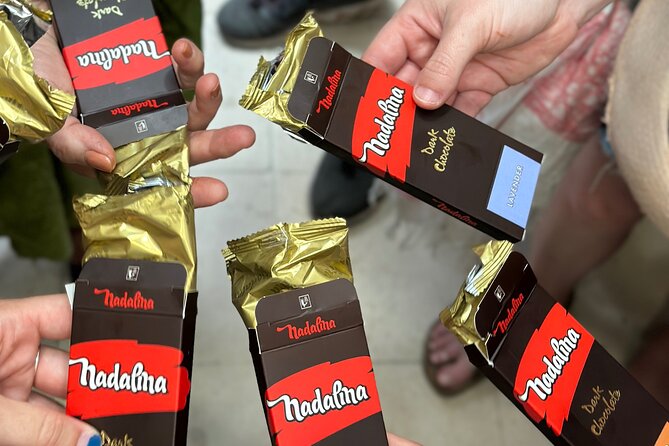
- Food and craft moments are part of the flow, including chances to sample local produce and meet artisans.
- You get help with photos, including suggested spots at major stops like the Peristyle.
- The tour is offered in English and uses a mobile ticket for easy entry.
A People of Split walk that feels personal, not just historical
Split can be overwhelming. You arrive, you see the palace walls, you take photos, then you wonder what you missed.
This tour has a different angle. It keeps pointing you back to the people, the routines, and the small details locals notice every day. That is why it works so well even if you only have a short time in town.
The guide style also matters. Mirjana is described as a storyteller who does not just throw facts at you. Instead, she shapes history into scenes, with humor and context, so you remember the place, not just the monument.
You’ll also appreciate the built-in respect for local space. The whole walk is about observing at eye level, like you are visiting a neighborhood, not touring a theme park.
You can also read our reviews of more tours and experiences in Split.

Where the tour starts: the Split sign meetup and your first photo
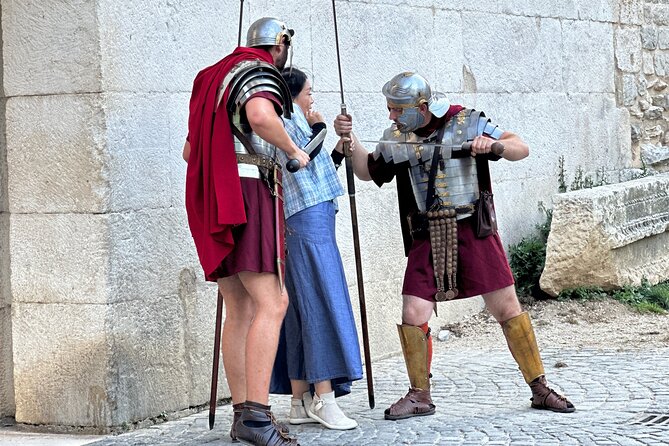
You begin at the iconic Split sign in the Grad area. It is an easy visual landmark, and it doubles as a quick kickoff moment with a photo to mark the start of your walk.
That first stop is not just a formality. It helps you orient yourself right away, so the rest of the tour feels like a guided path through the city you can later explore on your own.
You also get a mobile ticket, which makes it simpler once you arrive. If you prefer to keep your phone ready and your paper minimal, this is a nice touch.
The tour runs within the posted window of 8:00 AM to 6:00 PM, so you can pick a time that matches your energy. Morning tends to feel calmer, while later slots often help you avoid the first wave of day-trippers.
Riva Harbor to the palace: setting the city’s tone
From the Split sign, you head toward the water area, with Riva Harbor as the first proper stop. The time here is short, about 15 minutes, which is perfect if you want atmosphere without getting stuck in one place too long.
This is also where you get your first taste of Split’s character. You see how the seafront connects the city’s daily movement with the historic center behind it.
A good walking tour uses early moments like this to do two things: give you visual anchors and reduce the mental load. After this stop, you are ready to move into the palace complex with a clearer sense of where you are.
Inside Diocletian’s substructures: ancient spaces still functioning
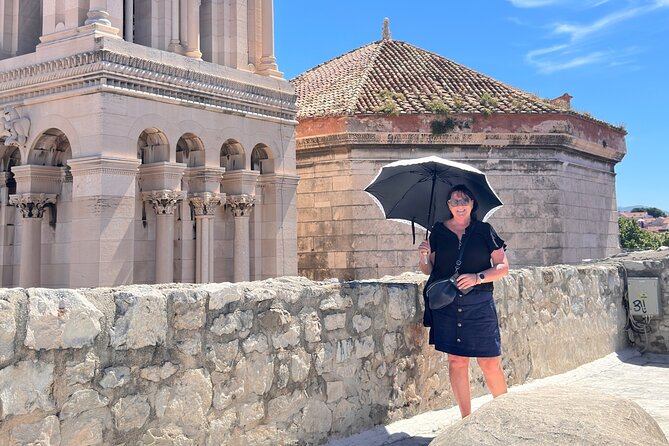
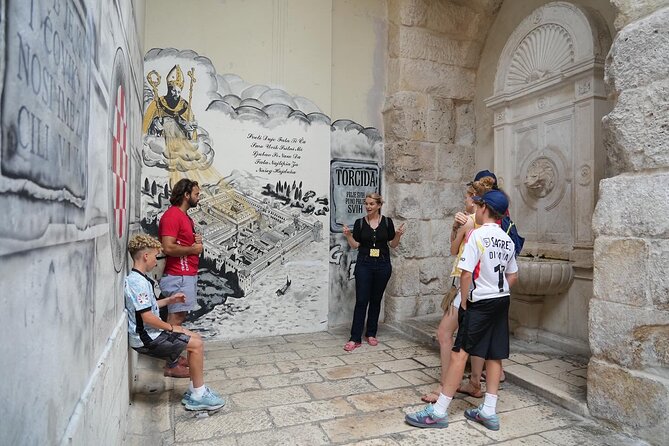
Next, you enter the Diocletian Palace substructures, a structure area that is roughly 1,700 years old and still in use today. You spend about 10 minutes here, long enough to see the scale and to understand what makes these spaces unusual.
What I like about this stop is that it breaks the usual “ruins only” feeling. You are not looking at something sealed off behind ropes. You are seeing parts of the palace that remain part of the living city, which changes how the site lands in your mind.
This is also one of the places connected with screen history. The tour notes that this area appears in Game of Thrones, which helps many people lock in the location quickly, especially if you have visited other filming sites in the region.
If you enjoy architecture that shows wear and continuity, this is a strong early anchor in the walk. It also sets you up for later stops inside the palace where daily life and Roman foundations overlap.
The Peristyle and palace corners: photos, myths, and real routines
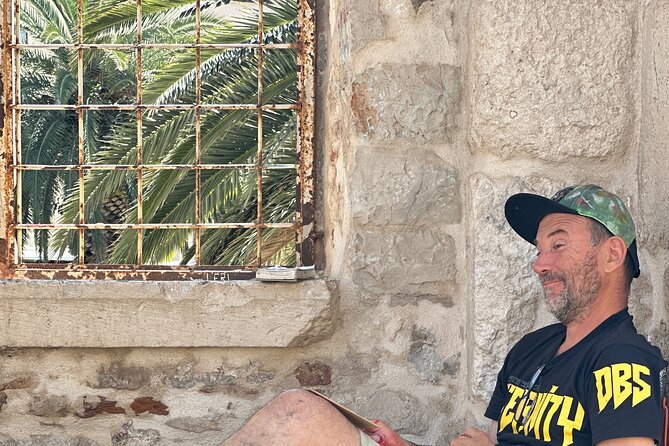
The heart of the tour is the Peristyle of Diocletian’s Palace, where you spend about 35 minutes. This is the classic centerpiece: a 4th-century Roman retirement home turned into a vibrant part of Split’s historic core.
You pause here for photos and stories, and you get a sense of the palace’s role as a stage for both legend and daily movement. The myths and legends theme matters because it helps you interpret the space. When you know what people were meant to believe, you read the architecture differently.
What makes this stop especially valuable is that it is not only about what is famous. You also visit some of the palace’s hidden corners and secret spots, where you can sample fresh produce from local vendors and meet artisans who have practiced their craft for generations.
That is the difference between a “see it” tour and a “understand it” tour. You get to connect the stones to the people who still rely on the city’s flow.
Even if your schedule is tight, this 35-minute block is the portion where you get the most payoff. You’ll likely leave with at least a few mental images you can replay later when you wander back on your own.


Dominisova ulica: laundry lines, windows, and learning to pause
Then you walk to Dominisova ulica, one of Split’s most beloved streets. This stop lasts about 10 minutes, but it is one of those short moments that changes how you watch the city.
The tour highlights what locals do here. You can notice residents leaning out their windows to enjoy the fresh air, and you may see laundry drying across daily life inside the palace walls.
This is not “extra color.” It is the point. If you rush through old towns, you miss what makes them livable. Dominisova ulica teaches you to slow down just enough to see the quiet choreography of normal life.
You also learn why observation matters. This is where the guide’s attitude really shows. Instead of making you look at buildings like trophies, she pushes you to notice how people inhabit the space.
Gregory of Nin and the toe-rubbing ritual
Next is the Grgur Ninski statue, with about 10 minutes here. You rub a toe as part of the experience and hear why Gregory of Nin’s statue matters in Split.
This stop is brief, but it is a classic example of how local customs turn history into something physical. You do not just hear about him. You join a small ritual that locals and visitors have repeated over time.
It is also an easy emotional shift in the tour. After Roman spaces and palace walls, this statue gives you a different kind of connection: a civic memory you can mark with your own hands.
If you are the kind of traveler who likes cultural habits rather than only architecture, you will enjoy this stop more than you might expect from a “quick photo break.”
Pjaca and Narodni trg: people-watching, activism, and craft work
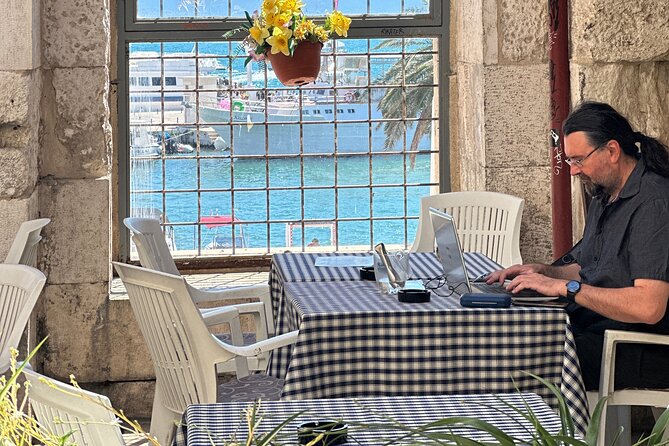
The final segment moves toward Narodni Trg, including the Pjaca area, described as the first square built outside the ancient city. You get about 10 minutes here, which keeps the tour moving while still giving you a sense of the city’s later growth.
This square is framed as a place of romance and everyday life, but also activism. The tour emphasizes that it is still alive and well, not just a scenic stop for photos.
Another strong theme here is tradition. You hear about older trades and see traditional craftsmen at work in Split, which helps you connect the palace world to the wider city economy.
If you have time after the tour, this is a great place to linger, because it is built for simply watching people move through their day. Even without a long stay, it gives you a closing snapshot of Split beyond the palace walls.
Mirjana’s storytelling style: why the guide makes the difference
Most walking tours have facts. This one has a point of view.
The guide is Mirjana, a local storyteller from Split. In the feedback, her strength is consistent: she listens carefully to what people want to know, then adjusts the flow. That means you are not trapped in a rigid script.
You also get a sense that she loves her city. That enthusiasm matters because Split is layered, and layered cities can feel confusing without help. Her stories act like mental shortcuts, turning complex space into a set of scenes you can place.
There is also a practical communication element. One mention highlights that she talks loud and confidently enough for larger groups, and that her English is very impressive. If you worry about hearing a guide over street noise, that is a reassuring sign.
The biggest takeaway is that this tour does not treat history like homework. It treats it like a way to understand how people live, argue, celebrate, and remember.
If you like your tours with humor and human detail, this matches your taste.
Price and value: $258.88 per group up to 8
At $258.88 per group (up to 8 people), the cost can look small or large depending on how you travel.
Here is the value logic that makes it reasonable. You are not paying per person for a generic walk. You are booking a private experience that includes a heritage interpretation storyteller, a local guide native of Split, snacks, and suggestions for the best photo spots.
Also, the main sites listed are marked as admission ticket free. That matters because it removes the “add-on fees surprise” feeling. You can focus on the walk and the stories instead of tracking separate entry charges.
So who is it best for? If you are traveling as a couple or small family, you get the comfort of a private guide without paying the kind of rate that solo travelers often see for truly private access. If you are a group of friends, splitting the group price across 6 to 8 people makes the math even easier.
If you travel alone and price is your top factor, you might compare against cheaper group walking tours. But if you care about a guide who adapts, and you want local flavor instead of a checklist, this is strong value.
What you will likely feel during the walk
I love when a tour changes how I walk afterward. This one gives you several “switches” in perspective.
First, you start with strong landmarks, like the Split sign, so you leave with a map in your head. Then you step into Diocletian’s substructures and Peristyle, where Roman architecture becomes more than background.
Third, you get those everyday cues, laundry lines and window life, plus the chance to meet artisans and sample local produce. That creates a bridge between past and present.
Finally, you end around Pjaca and Narodni Trg, where you can keep feeling the city even after the tour ends. Many historic walks end when you reach a photo spot. This one ends with a place built for daily rhythms.
Practical tips to get the most from the 1.5-hour pace
Plan for a compact walk, roughly 80 to 95 minutes total, with multiple short stops. That makes it ideal for pairing with a longer lunch, or adding a self-guided stroll afterward.
Wear shoes you trust on stone and uneven surfaces. Split’s historic center can be walkable, but it rewards good footwear.
Since snacks are included, you likely do not need to hunt for food mid-tour. Still, if you are sensitive to meal timing, consider eating something earlier so you can enjoy the snacks instead of needing a full lunch.
Bring your phone charger or extra battery if you care about photos. You will have a few structured photo moments, plus streets where the best shots happen while you are just watching.
If you want a smoother experience, come with a couple questions. Ask about Roman life, what daily routines look like in the palace today, or how the city remembers later chapters of Croatian history. The guide’s strength is storytelling, and your questions help shape what you take home.
Should you book People of Split with The Storyteller Croatia?
I’d book it if you want Split in human scale. This is a great choice when you care about local life inside the palace, not just statues and wall photos.
It is also a smart pick for small groups, because the private setup lets Mirjana tailor the pacing to your interests. If you enjoy guides who tell stories with personality and clarity, this fits that style.
Skip it only if you want a quick monuments-only checklist. The tour’s value is in the culture layer, like artisan moments and street-life details. If that is not your priority, you may find it less satisfying than a purely historical lecture.
If you do want the city to feel understandable after a short visit, this walk is one of the best ways to get there.
FAQ
How long is the People of Split walking tour?
The tour lasts about 1 hour 20 minutes to 1 hour 35 minutes.
Is this tour private?
Yes. It is listed as a private tour/activity, so only your group participates.
What language is the tour offered in?
The tour is offered in English.
Where do we meet and where does it end?
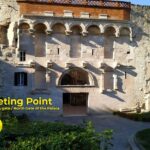
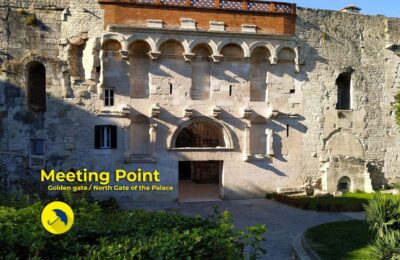
You meet in front of the Split sign at Split 21000, Grad, Split, Croatia. The tour ends at the Golden Gate, Dioklecijanova 7, 21000, Split, Croatia.
What is included in the price?
Included items are a heritage interpretation guide and storyteller, a local guide who is native of Split, suggestions for the best photo spots in town, and snacks. A mobile ticket is also provided.
Are entrance tickets included for the stops?
The stops in the tour are marked as admission ticket free.
Is the tour suitable for most travelers, and are service animals allowed?
Most travelers can participate, and service animals are allowed.
What is the refund policy if I cancel?
You can cancel for a full refund up to 24 hours in advance of the experience start time.
More Tour Reviews in Split
Not for you? Here's more nearby things to do in Split we have reviewed



More Split City & Day Tours to consider.
 ★ 4.8Krka Waterfalls Trip with Boat Cruise and SwimmingFrom $3110,519 reviews
 ★ 5.0Krka Waterfalls, Food & Wine Tasting TourFrom $459,326 reviews
★ 4.9Krka Waterfalls, Food & Wine Tasting TourFrom $446,598 reviews
★ 5.0Krka Waterfalls, Food & Wine Tasting TourFrom $459,326 reviews
★ 4.9Krka Waterfalls, Food & Wine Tasting TourFrom $446,598 reviews
 ★ 4.6Split/Trogir: Blue Cave, Mamma Mia, Hvar and 5 Island TourFrom $1096,320 reviews
 ★ 4.5Blue Lagoon & 3 Islands Cruise with Lunch from SplitFrom $785,756 reviews
 ★ 4.9Old Town and Diocletian Palace Walking TourFrom $174,727 reviews
 ★ 4.9Blue Lagoon Boat Party with DJs, Shots & After PartyFrom $474,610 reviews
 ★ 5.0Krka Waterfalls Tour, Boat Cruise & SwimmingFrom $324,489 reviews