
REVIEW · DALMATIA FOOD & WINE TOURS
Game od Thrones- Klis Tour_Authetich Local Food/Wine Tasting
Klis is a fortress you can feel. This small-group tour pairs Klis Fortress views and history with an authentic Soparnik food-and-wine experience in Dalmatia. I like the pacing, you get scenery first, then culture, then the food moment without rushing. One thing to consider: most of the interesting action is outside and the Klis climb can be a bit steep.
Guides like Jure and Ivan have led people through the Klis story, and the consistent highlight is the Soparnik itself. You’ll also stop in Gata, tied to the Poljička republic, which helps explain why this part of Croatia has such strong local identity. With a maximum of 14 people and a 5-hour schedule, it’s a fun way to get a lot done while staying focused on real food, not just photos.
Quick highlights
- Klis Fortress first, so the views make the history click fast
- Gata village visit with context around the Poljička republic
- Hands-on Soparnik production at a family-style restaurant in Tugare
- Wine served in the Soparnik ritual, not an afterthought
- Small group size, max 14 people, with a calm, local pace
- UNESCO-protected Soparnik tradition, explained in plain, practical steps
Klis Fortress in one sitting, with Game of Thrones energy
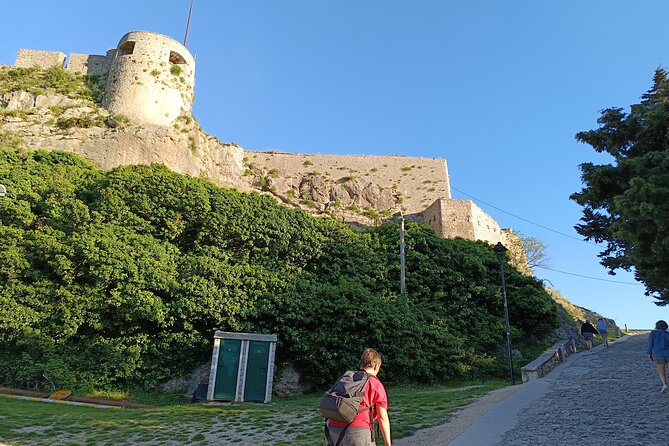
Start in Split at the meeting point by the Riva, then you head out into the Dalmatian countryside toward Klis. Klis Fortress sits on a steep, hard-to-reach cliff between the Kozjak and Mosor mountain massifs. That sounds like geography homework, but it matters. When a place is built like that, you understand why it kept being fought over and controlled.
Plan for about two hours here. The good news is the ticket is listed as free, so you’re not paying extra on-site just to access the core experience. The other good news is that this is the kind of location where you get payoff quickly. The views from Klis help you picture the routes and the strategic thinking behind the fortress’s placement.
Because this tour is tied to Game of Thrones fans (the Klis connection is part of why many people pick it), you’ll likely notice how the fortress fits the cinematic idea of a cliff-top stronghold. Even if you’re not chasing TV lore, the fortress still works as a history stop because it explains how people used terrain as defense.
What to watch for: Klis is a fortress on a cliff. Even if you keep it easy, there are steps and uneven ground. Wear shoes you trust.
You can also read our reviews of more food & drink experiences in Split
Gata village: where local self-rule becomes real
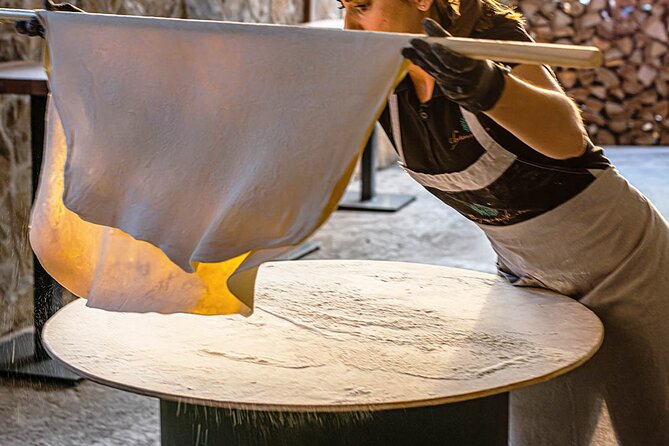
After Klis, you drive to Gata village, and the schedule stays generous, about two hours total. This stop is about more than a photo stop. You’ll spend time with a local guide who walks you through the place connected to the Poljička republic, a local political tradition that lasted around 30 years.
The key practical detail is how the time is framed. You arrive around 12:30, and the Poljička republic context is specifically called out as taking about 30 minutes. That means you’re not stuck in a long lecture. The rest of the time is likely for moving around, asking questions, and seeing how the village setting supports the story.
Why this matters for your trip planning: food and wine taste better when you know what you’re tasting. Soparnik is a tradition, and traditions have roots. Gata helps you connect the dots between Dalmatian identity and the everyday habits that survive for generations.
Potential drawback: You do have a drive between stops. If you’re sensitive to car time, you may want to bring something to keep you comfortable for the road stretches. The upside is that the tour keeps the day structured, about 5 hours total, so you’re not trapped in transit all afternoon.
Eko-etno sela Tugare and the Soparnik moment at the right time
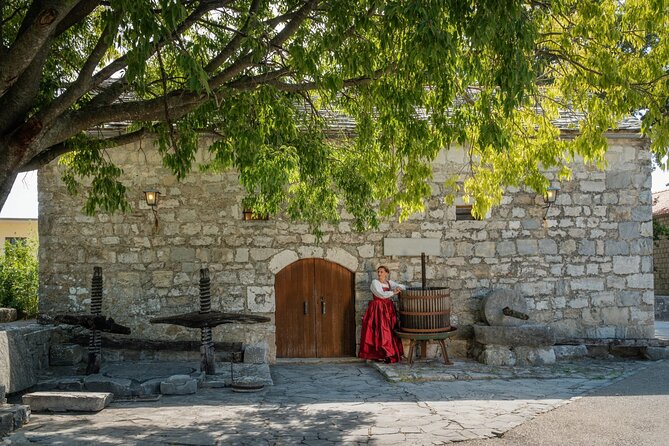
Around 15:00, you reach Eko-etno sela Tugare, centered on theme trails in Central Dalmatia. This is where the day shifts from history to food, and it’s the part people consistently point to as the highlight.
Instead of sending you off to a random restaurant where Soparnik might be on a menu, the tour describes a local family restaurant where they prepare Soparnik as part of the experience. You’ll have about one hour here, which is a sweet spot. You get the production and tasting without the meal dragging on into late evening.
Also, the timing is smart. You’ve had two earlier stops, so by mid-afternoon you’re ready for something warm and filling. And because you’re in the production space, the food feels connected to the place instead of boxed as a quick souvenir bite.
What I like about this setup for you: it’s not only about tasting. You’re there to see how Soparnik is made. That turns the dish from a name into a process you can repeat later, at least in spirit.
How Soparnik works, and why the ritual is the whole point
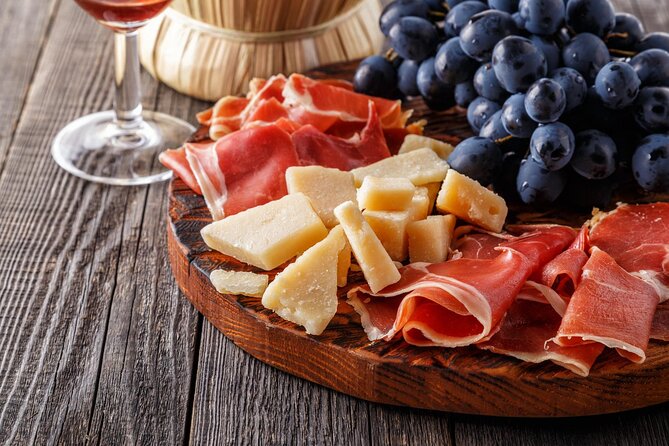
Soparnik is a traditional Croatian dish often described as Croatian pizza. It’s also listed as UNESCO-protected intangible heritage, which tells you it’s more than a recipe. It’s a living tradition, passed along through practice.
Here’s the part that will stick with you because it’s specific. Soparnik is made by taking the dough from the middle toward the edges, rather than starting from the outside in. There’s a symbolic serving order too. The guest of honor gets the first rhombus from the middle.
Then the wine part happens in the middle of the ritual. Soparnik is served with a bucara of wine. The bucara is placed in the middle of the steamer after cutting and taking four pieces. That’s not just decorative. It frames the dish as a shared moment, with wine as part of the sequence, not something ordered separately after the fact.
If you’re the type who likes details, this is one of the best ways to experience food culture in Croatia: watch the method, learn the logic, then taste the result in the same format they use for honoring the meal.
What to consider: Soparnik is tied to a tradition and a specific way of serving, so your portion experience will follow that structure. If you’re expecting a totally free-for-all tasting buffet, this isn’t built that way. It’s designed as a single, meaningful food moment.
Wine tasting, practical and local
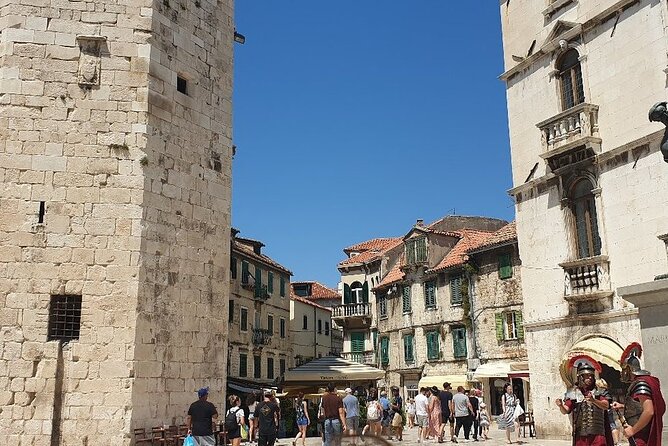
The tour doesn’t position wine as a separate activity. Wine is integrated into the Soparnik serving style with the bucara placed at the center of the steamer setup. That matters because it keeps the focus on food culture, not a separate alcohol program.
In reviews, the wine is called tasty alongside the Soparnik, which lines up with the idea that the dish-and-wine pairing is part of why people remember this stop. You’ll also get the sense that the wine is being treated like hospitality, shared with the meal sequence.
My practical advice: pace yourself. You’ll have walked around a fortress earlier and you’ll likely be outside at least some of the day. If you’re doing wine, have water with you and keep a steady rhythm.
More Split tours, Dalmatian island days, and Adriatic experiences


Guides like Jure and Ivan, what that means for your day
The tour is run by the provider My Split Tours, and one reason it tends to work well is the way the guiding is connected to the two halves of the day: fortress history and food tradition.
In the feedback tied to this experience, guides such as Jure and Ivan show up by name, and the pattern is consistent. They explain Klis Fortress history while the views do their job. Then they bring you into the story of Soparnik, where the dish itself becomes the main event. That combo is ideal if you don’t want to choose between a cultural tour and a food tour. You get both, with the same guide voice tying it together.
Also, small group size helps. This activity lists a maximum of 14 people, and that matters for how questions and pacing feel during a food-making stop. You’re less likely to feel like a number in a crowd.
Price and value: what $417.68 per group actually buys you
The price is listed as $417.68 per group, up to 8 people. Since your group limit is 8, a quick math check helps you judge value: if your group fills up at 8, that’s roughly $52 per person for the day. If fewer people are in your group, the per-person cost rises.
Now for the value side. What do you get for that price?
- Two hours at Klis Fortress with free admission listed
- Time in Gata village with free admission listed
- A full hour in a local family restaurant producing Soparnik, plus wine as part of the service
- A structured day built around countryside driving and a focused food tradition
When a food tradition is involved, you should expect it to be the most expensive part, because someone has to host and teach. This tour still looks reasonable because the day includes both big sights and a real food ritual, and the schedule is tight at about 5 hours.
Who this value works best for: small groups who want a balanced itinerary and prefer not to spend the whole day hopping around on your own. It’s also a strong pick if you want the UNESCO-linked Soparnik tradition without having to figure out where to go, who can teach it, and how to time it.
What your 5 hours feel like in real life
Even without claiming personal experience, here’s what the timing suggests your day will feel like.
You start early enough to reach Klis for a solid block, about two hours. That gives you time for views and the fortress experience without it turning into a sprint. Then you transition to Gata, again about two hours, with a clear thematic anchor around the Poljička republic. Finally, you finish with the Soparnik production and tasting, about one hour, around 15:00.
That order is smart. Klis sets the stage for why this region matters. Gata adds local identity. Tugare and Soparnik become the payoff, because you’re ready to eat by then.
A small consideration: the tour has a pickup offered option and a meeting point near public transportation, which helps. But it still depends on your ability to move between places comfortably. If you hate car time or long walking, you may want to keep your expectations modest and focus on the food stop as the highlight.
Who should book this Klis and Soparnik experience
This tour fits best if you want your Split trip to feel connected to real Dalmatia. I’d point you here if you:
- Love the idea of food as culture, not just food as a snack
- Want to see Klis Fortress and get the story behind it
- Like day trips that stay organized, about five hours total
- Prefer small groups, max 14 people, with a local pace
- Are interested in UNESCO-linked tradition through a hands-on food ritual
It’s also good for history-and-food lovers who don’t want to choose one. Fortress first, village context second, Soparnik third, and wine folded into the serving method.
Should you book this Klis and Soparnik tour?
Yes, if your priority is a real Soparnik experience that includes how it’s made, not just where to eat. This tour makes the food the centerpiece, and it ties it to history through Klis and Gata, with the day paced around key blocks of time.
Book it if you want something practical and local: a small-group format, free-access stops listed for Klis and Gata, and a finishing hour where you’ll understand why Soparnik is a protected tradition. If you’re mainly after a relaxed beach day or you dislike uneven outdoor ground, you might choose a more flat, low-walking itinerary instead.
FAQ
Where does the tour start in Split?
The meeting point is Split Riva, 21000 Split, Croatia.
Is pickup offered for this tour?
Yes, pickup is offered.
How long is the tour?
The duration is about 5 hours.
How big is the group?
The activity has a maximum of 14 travelers.
What are the main stops during the tour?
The tour stops at Klis Fortress, Gata, and Eko-etno sela Tugare (theme trails).
Is admission included for Klis Fortress and Gata?
Yes. Admission is listed as free for Klis Fortress and for Gata.
What food and drink are part of the experience?
You’ll see the producing of Soparnik, and Soparnik is served with wine from a bucara as part of the serving ritual.
Is Soparnik recognized by UNESCO?
Yes. Soparnik is on the UNESCO list of protected intangible heritage.
How close to the start time can I cancel for a full refund?
You can cancel up to 24 hours in advance for a full refund.
More Food Experiences in Split
More Food & Drink Experiences in Split
More Tour Reviews in Split

Not for you? Here's more nearby things to do in Split we have reviewed



More Dalmatia Food & Wine Tours to consider.
 ★ 5.0Krka Waterfalls, Food & Wine Tasting TourFrom $459,326 reviews
★ 4.9Krka Waterfalls, Food & Wine Tasting TourFrom $446,598 reviews
★ 5.0Krka Waterfalls, Food & Wine Tasting TourFrom $459,326 reviews
★ 4.9Krka Waterfalls, Food & Wine Tasting TourFrom $446,598 reviews
 ★ 5.0Krka National Park Tour with tour Guide & Wine tasting from Split & TrogirFrom $501,625 reviews
 ★ 4.7Split/Trogir: Krka National Park Day Trip with Wine TastingFrom $49925 reviews
 ★ 5.0Split Food Tour: Discover Split One Bite At A TimeFrom $145433 reviews
 ★ 5.0Private Full-Day Krka Waterfalls Tour with Wine TastingFrom $665263 reviews
 ★ 4.5Krka Waterfalls and wine tasting Tour from Split or TrogirFrom $50170 reviews
 ★ 4.9Krka National Park Full-Day Tour with Wine TastingFrom $49142 reviews
Explore its other useful categories