
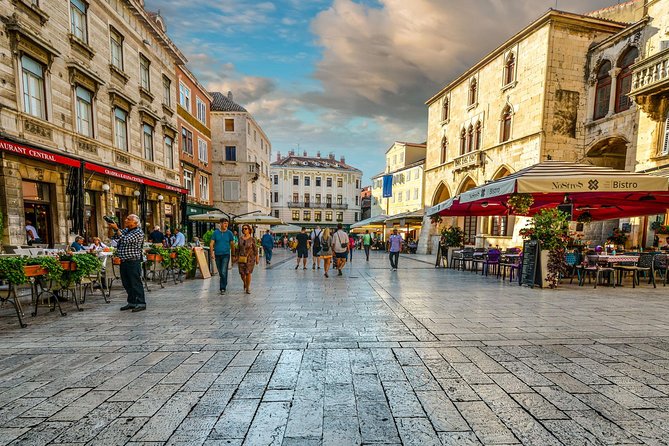
A Roman city with islands at the door.
Palace lanes before breakfast, a fast boat to Vis, the blue water off Trogir and waterfalls up the coast. Find the day that fits, see the real price, then book it.
Seven ways to get the trip right.
Begin with the experiences that give Split its shape: a palace walk before the stone gets hot, an island boat with time to swim, and a proper day beyond the city walls.
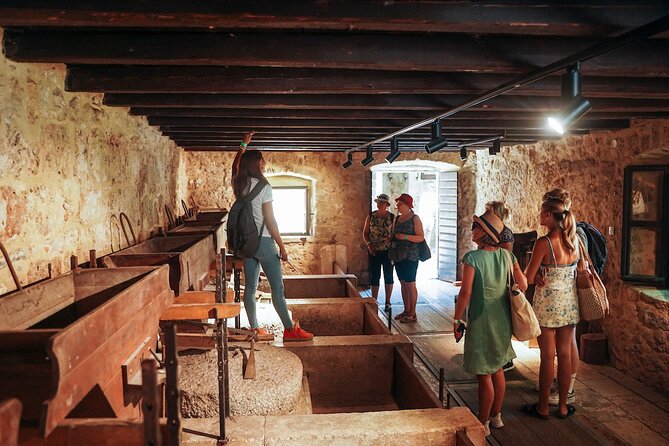
Krka Waterfalls, Food & Wine Tasting Tour
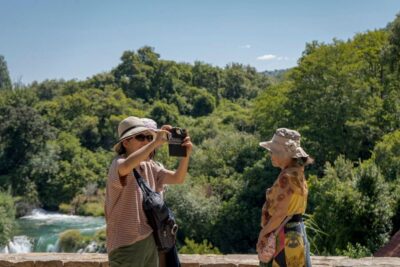
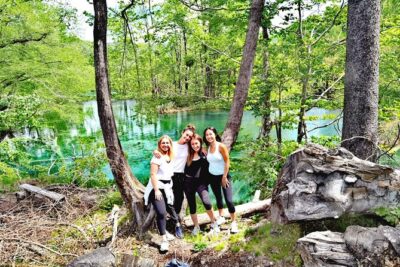
Split day trip to Krka National Park waterfalls plus Skradin free time and a family winery tasting near Plastovo.
From $45 per person
Read the review → ★ 4.9Harbour favouriteKrka Waterfalls, Food & Wine Tasting TourFrom $446,598 reviews
 ★ 4.5Worth the early boatBlue Lagoon & 3 Islands Cruise with Lunch from SplitFrom $785,756 reviews
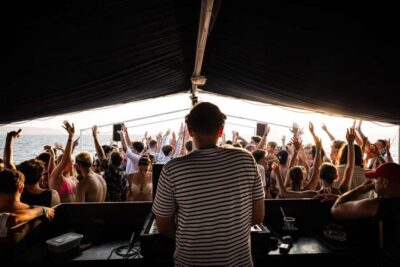 ★ 4.9Island classicBlue Lagoon Boat Party with DJs, Shots & After PartyFrom $474,610 reviews
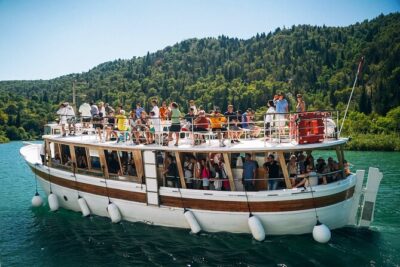 ★ 5.0Easy first pickKrka Waterfalls Tour, Boat Cruise & SwimmingFrom $324,489 reviews
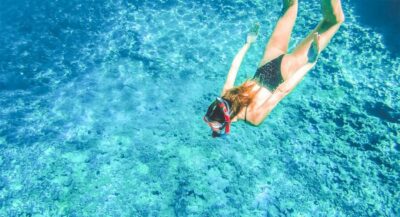 ★ 4.8Local standoutBlue Lagoon and 3 Islands Speedboat TourFrom $703,406 reviews
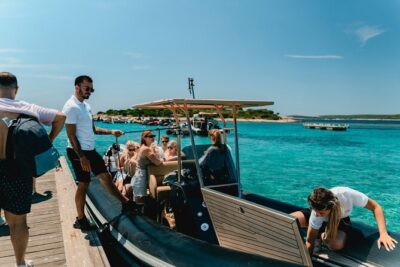 ★ 5.0Summer sell-outBlue Cave & 6 Islands Speedboat Tour From Split or PodstranaFrom $1303,195 reviews
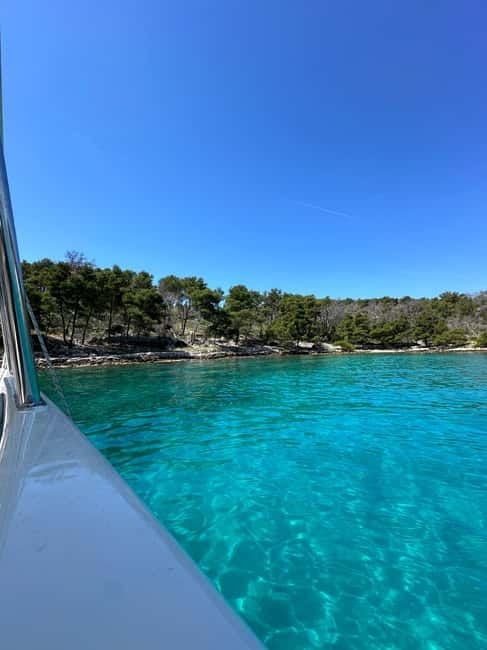
The islands turn one day into a voyage.
Leave the Riva while the city is still cool, cross open water to Biševo and Vis, then slow down in a Pakleni cove. The best routes balance distance with real swimming time instead of counting stops.
How far should your boat day go?
A cave run, a lagoon swim and a Hvar day solve three different holidays. Compare the distance, the time ashore and the water before choosing the prettiest photograph.
 Farthest offshore
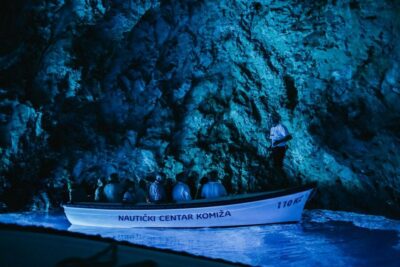
Vis and the Blue Cave
10 to 12 hours (approx.) · from $111 · 7,150 reviews
A fast, full day built around distance: Biševo first, Vis and its coves next, then Hvar or the Pakleni islands on the return. Pick it for dramatic water and accept the longer ride.
See the Blue Cave routes →
Farthest offshore
Vis and the Blue Cave
10 to 12 hours (approx.) · from $111 · 7,150 reviews
A fast, full day built around distance: Biševo first, Vis and its coves next, then Hvar or the Pakleni islands on the return. Pick it for dramatic water and accept the longer ride.
See the Blue Cave routes →
 More time swimming
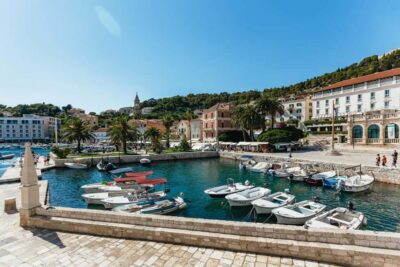
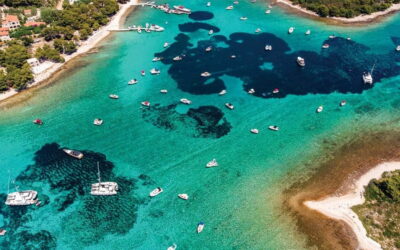
Trogir and the Blue Lagoon
10 - 11 hours · from $109 · 6,320 reviews
The gentler boat day stays closer to Split. Swim over pale sand, walk Trogir’s stone lanes and still have energy for dinner. It is the easy choice for families and shorter stays.
See the lagoon trips →
Harbour and coves
Hvar and the Pakleni islands
10 to 12 hours (approx.) · from $111 · 7,150 reviews
Choose this when you want an island town as much as the sea. Hvar brings cafés and old stone; the Pakleni chain adds clear coves close enough for an unhurried swim.
See the Hvar days →
More time swimming
Trogir and the Blue Lagoon
10 - 11 hours · from $109 · 6,320 reviews
The gentler boat day stays closer to Split. Swim over pale sand, walk Trogir’s stone lanes and still have energy for dinner. It is the easy choice for families and shorter stays.
See the lagoon trips →
Harbour and coves
Hvar and the Pakleni islands
10 to 12 hours (approx.) · from $111 · 7,150 reviews
Choose this when you want an island town as much as the sea. Hvar brings cafés and old stone; the Pakleni chain adds clear coves close enough for an unhurried swim.
See the Hvar days →
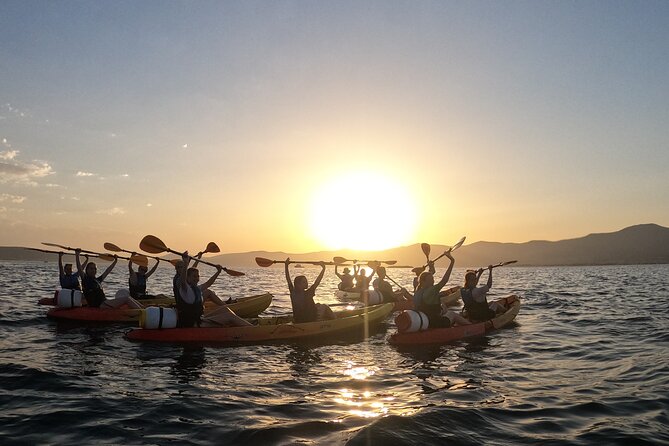
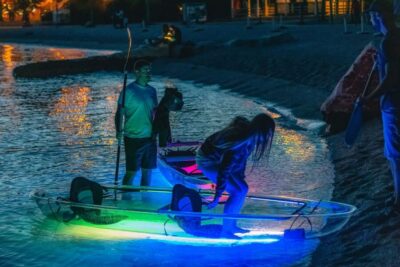
Stay on the water for sunset.
Paddle beneath Marjan, sail beyond the harbour or take the last swim while the old town lights come on. Evening on this coast works best when the journey back is part of it.
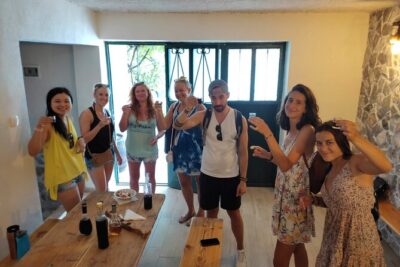
Wine, olive oil and a table in the shade.
Dalmatian meals make more sense with the landscape in view. Leave room for grilled fish, island wine and the small producers just beyond the coast road.
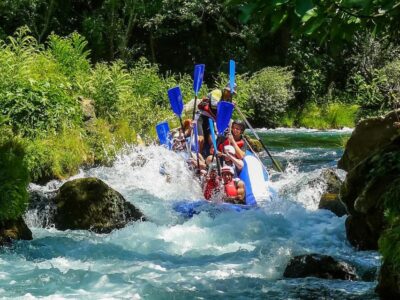
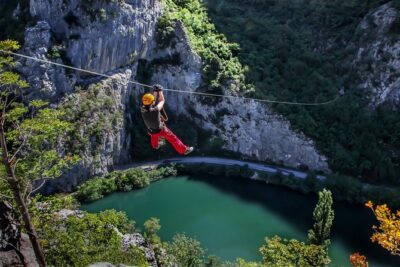
Trade the harbour for white water.
Omiš puts rafting, canyoning and cliff jumps within an hour of Split. Choose the river level and the pace; the gorge supplies the drama.
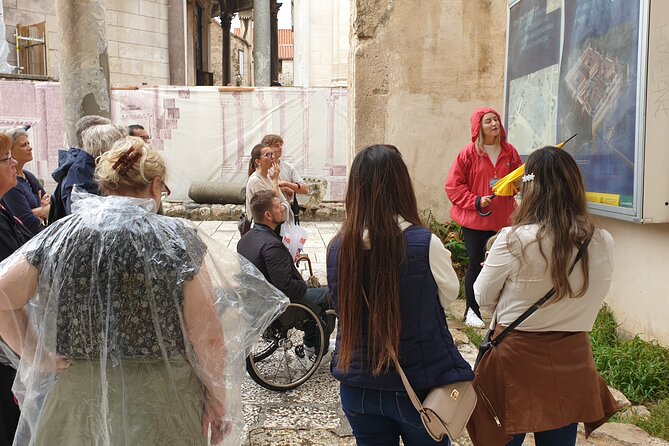
Seventeen centuries are still in use.
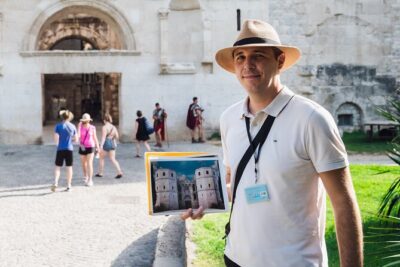
Diocletian’s cellars hold up homes and cafés; the mausoleum became a cathedral; the narrowest lanes still lead to dinner. A historian turns the stone into a city rather than a backdrop.
Follow the coast, then choose an island.
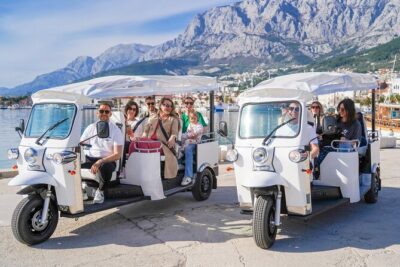
Split is the hinge: Trogir and Krka lie north, Omiš and Makarska south, while Hvar, Brač and Vis wait across the channel. Each direction rewards a different kind of day.
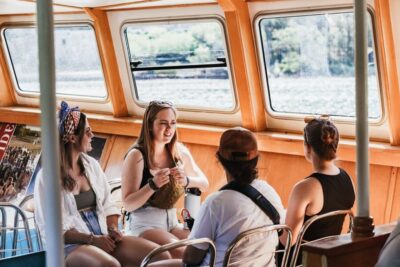
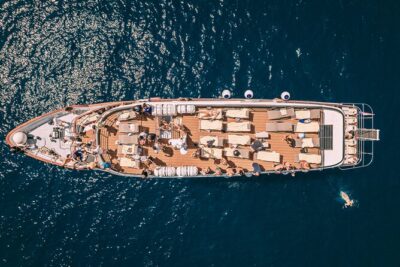
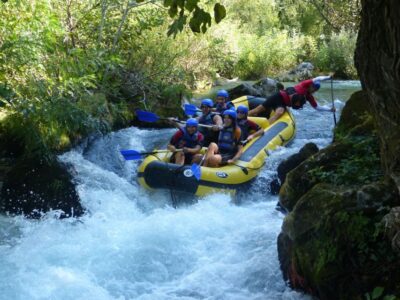
Build the day around how you travel.
Go by foot, speedboat, kayak or wine road. These are the useful ways into central Dalmatia, with enough detail behind each to choose quickly.
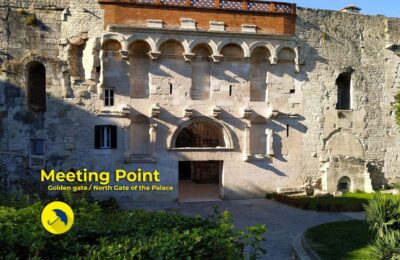
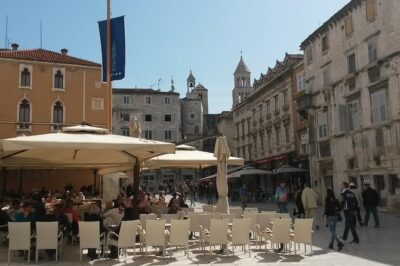

The road days earn their early start.
Waterfalls, medieval ports and mountain viewpoints sit beyond the easy harbour orbit. Decide whether you want one big landscape or several shorter stops along the coast.
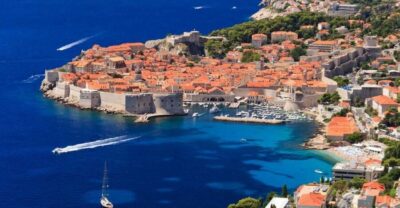
Three days with a different horizon each morning.
Keep the first day close, give the second to the islands and use the third for the coast road. That rhythm leaves room to swim without reducing Split to a departure pier.
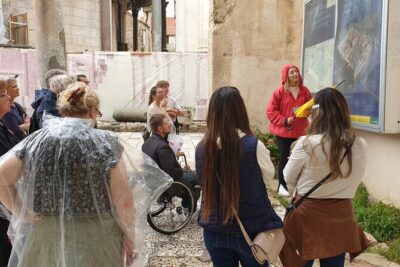 Day 1
Read the palace walls
Walk the Peristyle and cellars early, climb for the red-roof view, then let the afternoon drift between the Riva and Marjan.
Choose a heritage walk →
Day 1
Read the palace walls
Walk the Peristyle and cellars early, climb for the red-roof view, then let the afternoon drift between the Riva and Marjan.
Choose a heritage walk →
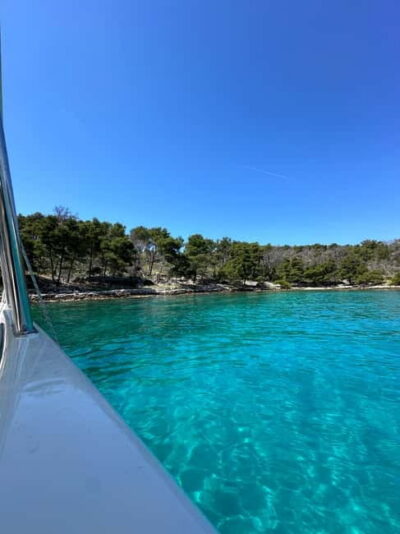 Day 2
Run west to the islands
Take the earliest practical boat, put the longest crossing first and save a sheltered cove for the final swim.
Pick the island route →
Day 2
Run west to the islands
Take the earliest practical boat, put the longest crossing first and save a sheltered cove for the final swim.
Pick the island route →
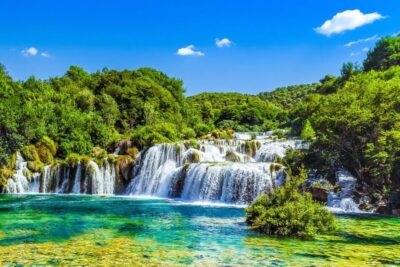 Day 3
Follow the river to Krka
Pair the waterfalls with Šibenik or a winery, keeping enough time for Skradin instead of racing the return road.
Find a Krka day →
Day 3
Follow the river to Krka
Pair the waterfalls with Šibenik or a winery, keeping enough time for Skradin instead of racing the return road.
Find a Krka day →
New routes, new sailings, better choices.
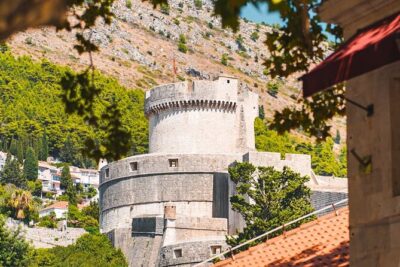 ★ 5.0Dubrovnik – Private tourFrom $5783 reviews
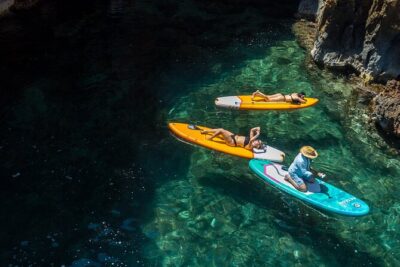 ★ 5.0Private custom Blue & Green Cave tour with yacht from Hvar townFrom $2,0283 reviews
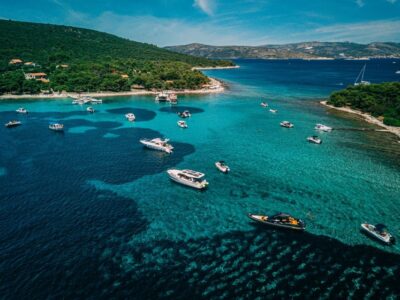 ★ 5.0Split & Trogir: Private Blue Lagoon & Wine Tasting Boat TourFrom $1,1193 reviews
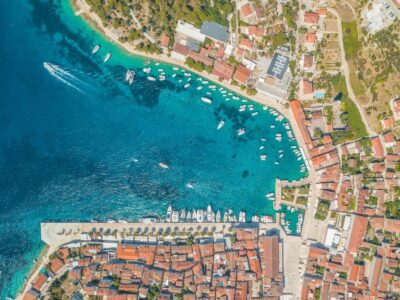 ★ 3.6Private boat tour to Hvar & Red Rocks: from Trogir or SplitFrom $8243 reviews
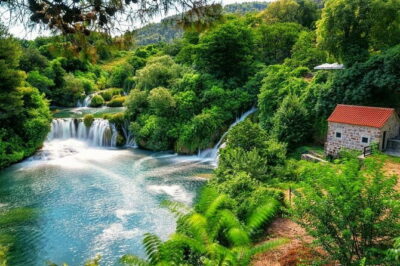 ★ 5.0Plitvice lakes private round trip transfer (including waiting time)From $4763 reviews
Trial sailing tour with Lady ButterflyFrom $4613 reviews
★ 5.0Plitvice lakes private round trip transfer (including waiting time)From $4763 reviews
Trial sailing tour with Lady ButterflyFrom $4613 reviews
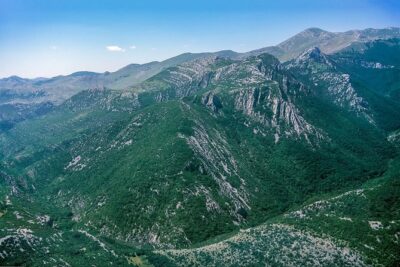 ★ 5.0The Wonder of nature route – Panoramic Flight over Plitvice Lakes & Krka NPFrom $9423 reviews
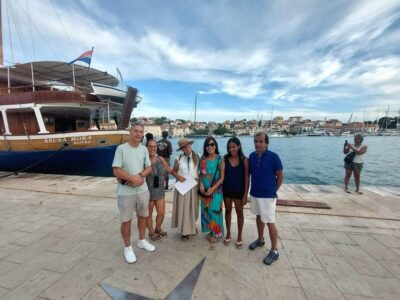 ★ 5.0Step into History: Private Guided Walking Tour of SplitFrom $1293 reviews