REVIEW · SPLIT
2 Day Pass with Sightseeing Bus
Split history comes fast and close.
I like the way this pass packs guided segments with a bus ride, so you’re not just staring out a window at the Adriatic. I also love the audio setup, since you get headsets plus multi-language commentary while you move between stops. One thing to keep in mind is that time at each big site is limited, so you’ll want to be efficient, not slow and wandering.
You’ll start at Apodos Travel Agency at 8:30 am, then work through a mix of Roman-era landmarks and local heritage. The bus includes free Wi-Fi and the group caps at 50, which helps keep things organized. Guides vary by day, but you’ll often feel that same friendly, history-first approach that people highlight, including names like Doris and Gordana in past outings.
Key highlights to watch for

- 48-hour validity so you can spread the experience across two days instead of cramming one long day
- Audio headsets and multilingual commentary so you can follow along without straining your brain
- Diocletian’s Palace walking tour with a licensed English guide on the UNESCO core area
- Timed stops at major sites like Salona and Klis, so plan to move at tour pace
- Stella Croatica Olive Museum and Agro-Ethno Park for a more local, food-and-farming side of the region
- Bus comfort plus free onboard Wi-Fi, a nice bonus when traffic drags
Two Days in Split: What the 48-hour Pass Really Gives You
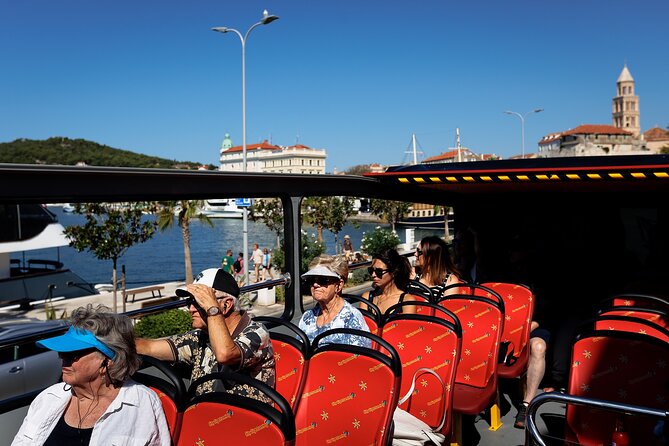
This is a sightseeing-bus pass designed for getting your bearings quickly and picking up the main stories of Split and nearby highlights. You get a mix of motion and walking: bus time for panorama and transfers, then short guided blocks where the details matter.
The biggest value lever is the 48-hour window. Instead of doing everything in a single day, you can use the pass across two days, which matters in Split when sun, crowds, and timing can make even simple plans feel hard.
The catch is that it is not a free-roam hop on hop off day where you can linger at one stop forever. You’ll be on a schedule with set walking tours and set visit times. If you’re the type who wants to spend an extra hour at one ruin, you might feel rushed, especially at bigger-ticket stops like Salona and Klis.
You can also read our reviews of more tours and experiences in Split.

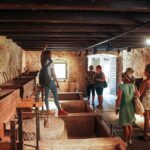
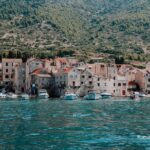
Meeting at Apodos Travel Agency, Then Getting Moving at 8:30
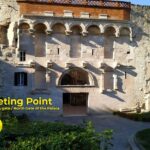
Your day begins back at the starting point: Apodos Travel Agency, Obala Lazareta 3, Split, right near the core area. The start time is 8:30 am, which is smart. Earlier hours usually mean less heat and fewer crowd crush moments around the palace area.
From a practical angle, check in early and be ready to leave promptly. This kind of multi-stop schedule depends on everyone being present, not on waiting for stragglers. Also note that the tour is described as having moderate physical fitness expectations. That mostly translates to comfort with walking during the palace segment and moving around at ruins and the fortress area.
If you’re sensitive to walking intensity or heat, bring water and wear shoes with grip. The itinerary includes guided walking, plus additional free time at Klis, which tends to involve uneven ground and steps.
Stella Croatica: Olive Museum and Agro-Ethno Park (45 minutes, extra admission)
This stop is where the pass shifts from Roman stone to everyday culture. The Olive Museum and Agro-Ethno Park at Stella Croatica focus on local heritage tied to olive growing and traditional production.
What I like about this approach is that it breaks up the ancient-world focus. Split can feel like nonstop old walls and old emperors, so adding a heritage stop helps you understand what the region is like beyond its monuments.
Timing is the main limitation: the scheduled visit is about 45 minutes, and admission is not included. That means you’re not walking through every corner slowly. You’ll likely see the key exhibits and get the big picture of olive culture, but if you’re a serious food-history fan, you might want more time than the pass gives.
If you love local products, this is one of the stops where you can actually connect the dots between heritage and what you eat. It’s also popular with people who end up coming back on their own later to explore more deeply.
Split from the Bus: Panoramic Tour and Multi-language Audio (around 45 minutes)
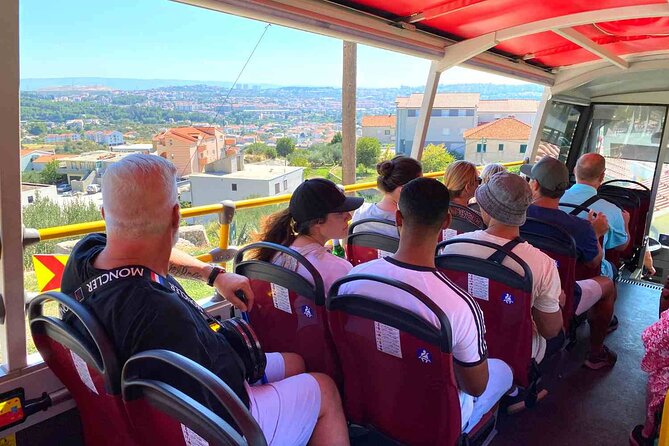
Next you’re back on the sightseeing bus for a panorama of Split. This is built around comfort and information sharing, not deep site immersion. You’ll get a guided-style experience through audio commentary in multiple languages, including English, Croatian, Portuguese, French, Spanish, German, Italian, and Russian.
I find panoramic bus time works best when you treat it as orientation. Look out for major landmarks, get a mental map, then use the later walking segments and free time to focus on what you care about most.
One practical note: audio quality can make or break this part of the day. Some past experiences mention audio that didn’t work as well as expected on certain days, so if audio clarity is crucial for you, come ready with flexibility. If something sounds wrong, speak up early with the guide on site so the team can help.
The bus also includes free Wi-Fi. That’s useful for checking where you are, saving a map, or booking a dinner plan without burning data in the sun.
Diocletian’s Palace Substructures: The Short Walking Tour That Actually Matters
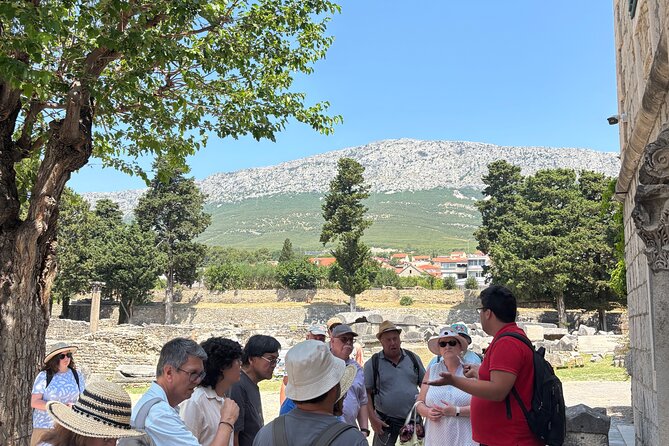
The highlight for many people is the guided walk through Diocletian’s Palace substructures with a licensed English guide, scheduled for about 45 minutes. This is the best kind of short tour: you get context fast and you don’t waste hours trying to figure out what you’re seeing.
Here’s why this segment is so valuable: the palace complex can look like a maze if you show up alone. With a guide, you learn how the spaces connect and what the Roman design was meant to do. You also get better at spotting the details that make the place feel real instead of just impressive on a photo.
What to expect on the ground: walking on uneven historic surfaces and moving through tight spaces. The tour wording suggests a moderate fitness level is enough, but if you have mobility limits, keep in mind that this is not a sit-down museum format.
Admissions for this segment are listed as free, so you’re paying for the guided time more than for entry. That’s a good use of your budget.

Salona Roman Ruins and Klis Fortress: Timed Views, Real Outside Energy
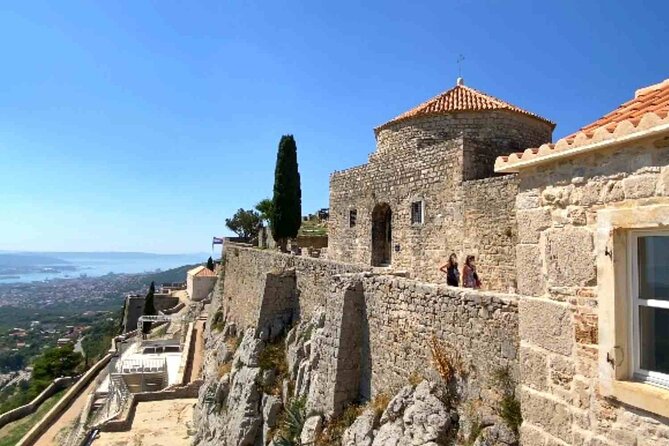
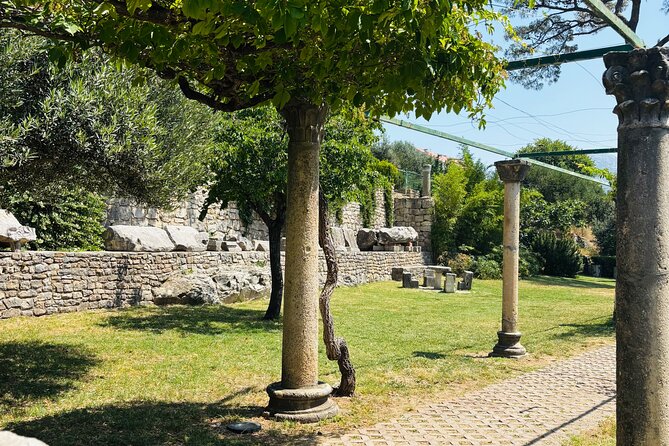
The pass includes the ancient ruins of Salona, once the Roman capital of Dalmatia, plus free time at Klis Fortress. Both are big-name stops, and both can feel rushed if you want a slow, deep explore.
Salona is one of those places where 45 minutes can be enough to grasp the scale, but not enough to wander everywhere. People often say it works best as a taste, not as a full museum-length visit. If your goal is simply to see the ruins and understand the story, you’ll likely feel satisfied. If you want to reach every amphitheater corner and read every stone like a detective, you’ll need extra time beyond the pass.
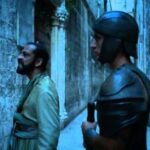
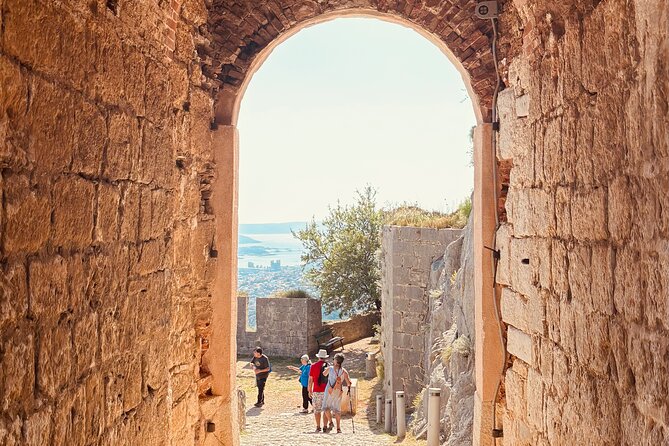
Then there’s Klis Fortress, with about one hour of free time scheduled and admission not included. Klis sits above Split with views toward the Adriatic and countryside. It’s also known as a filming location tied to popular TV, which adds a modern layer to the medieval strategic history.
The practical reality is time and traffic. Some experiences mention getting less time at Klis than expected due to road delays. So treat your hour as flexible. If you reach Klis and find time tight, focus on the views and the strongest viewpoints first. You’ll still get the payoff.
The Bus Experience: Comfort, Headsets, and the Traffic Factor

This tour uses a sightseeing bus equipped with an audio system and includes a headset plus onboard Wi-Fi. You also get commentaries in 10 languages (and the bus audio list includes eight of them, such as English and French among others).
I like this setup because it keeps you in the loop while you’re traveling. Split is easiest when you know why each direction matters. Without audio, it’s just a ride. With it, you get meaning.
But there’s one recurring friction point with any tour that depends on roads: traffic jams. Some experiences describe long waits, delays, and even diesel fumes during tunnel segments. If you’re sensitive to air quality, bring a mask or choose the side of the bus where it feels easiest to breathe.
Also, be aware that the schedule structure can feel different from classic hop on hop off tours. Instead of dropping you off and letting you freestyle freely, you’ll likely be slotted into timed departures. Plan to stay with your group, or at least remain close so you don’t miss the next transfer.
Price and Value: Is $38.62 a Good Deal?
For $38.62 per person, you’re paying for two days worth of access to guided components, audio support, and a bus that does the work of moving you between sites. You’re not paying for every admission ticket. Stella Croatica and Klis Fortress admissions are not included, and some people see that as the trade-off.
Here’s how I think about the value. You get:
- A guided palace segment where learning beats wandering
- A museum and heritage stop with local context
- Panorama time that helps you orient yourself
- Additional historic stops like Salona and Klis, where seeing the setting matters
If you’re trying to see several distinct sides of Split in a short trip, this kind of pass can be a strong value. If you’re the type who only wants one or two places and would rather build a custom day, then you might get better value by booking only the guided walking parts and paying separate admissions.
The real question for you is time. If you have limited days and want structure, this pass helps. If you have lots of time and enjoy independent exploring, the fixed schedule might feel limiting.
Who Should Book This Pass, and Who Might Feel Frustrated
This tour fits best if you:
- Want a structured taste of Split without spending time planning every connection
- Like history explanations during a walking segment
- Prefer guided context for Roman sites like Diocletian’s Palace
- Enjoy cultural stops tied to food and local production, like the Olive Museum
It may frustrate you if:
- You expect a true hop on hop off loop with unlimited lingering
- You’re very sensitive to schedule changes from delays
- You need lots of time inside major ruins and museums beyond a quick guided look
- Audio quality is a dealbreaker, since audio performance can vary
Also, the tour notes high blood pressure considerations. I’d take that seriously. Don’t push through discomfort at viewpoints. If you have health concerns, you should talk to your doctor and be ready to adjust plans.
Should You Book This 2-day Split Sightseeing Pass?
I’d book it if your goal is to get your bearings in Split and see the headline highlights with guidance and audio support, while spreading it across two days. The guided palace walk is worth real money on its own, and pairing it with Salona plus Klis gives you a strong “then and now” mix.
I’d hesitate if you’re the slow-and-steady type or if you need long visits at ruins. In that case, you’ll probably want to supplement the pass with extra independent time. Also, if you’re very reliant on working audio, bring your own headphones as backup, and speak up quickly if the device isn’t functioning.
If you want an easy win in Split with minimal effort and clear stories between stops, this pass is a practical way to do it.
FAQ
How long is the pass valid?
The ticket is valid for 48 hours, so you can use it across two days.
What is included in the price?
It includes mobile tickets, audio commentary through headsets, a guide who speaks English, free Wi-Fi onboard the bus, and multilingual audio commentary.
Which stops require extra admission fees?
Admission is not included for Stella Croatica (Olive Museum and Agro-Ethno Park) and Klis Fortress. Entrance is listed as free for the city panoramic and Diocletian Palace substructures walking tour segments.
Is food or drinks included?
No. Food and drinks are not included.
What should I know about walking and health?
The tour calls for a moderate physical fitness level. It also notes high blood pressure, so if that applies to you, take the health note seriously and be prepared to move at a comfortable pace.
What if the weather is bad or the minimum number of travelers is not met?
This experience requires good weather. If it’s canceled due to poor weather, you’ll be offered another date or a full refund. It can also be canceled if the minimum number of travelers isn’t met, with similar options.